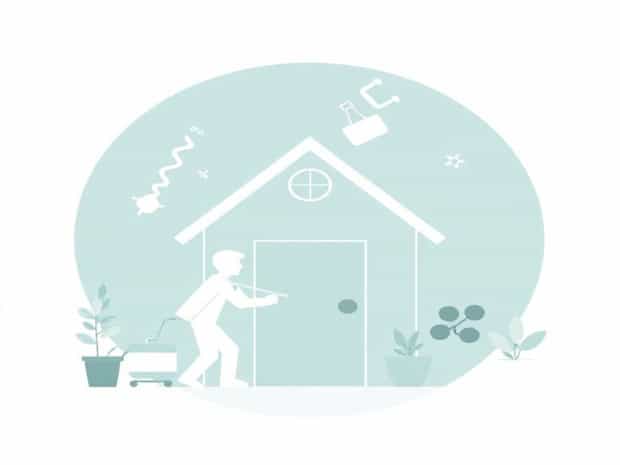
Best Chemical For House Fumigation
Keeping a home free from pests and harmful insects is essential for a healthy and comfortable living environment. Over time, various types of insects such as termites, cockroaches, bedbugs, and mosquitoes can invade a house, causing damage to property and posing health risks. One of the most effective ways to combat these pests is through house fumigation. Choosing the best chemical for house fumigation ensures not only the complete elimination of pests but also safety for the residents. Understanding the different fumigation chemicals, their effectiveness, and safety measures is key to achieving optimal results.
Understanding House Fumigation
House fumigation is a pest control method that involves the use of chemical gases or vapors to eliminate insects and pests from a home. Unlike surface sprays or topical treatments, fumigation targets pests in hard-to-reach areas, including wall cavities, ceilings, and beneath floors. The process requires sealing the house or specific rooms to contain the chemical, allowing it to penetrate every corner. Proper preparation and understanding of fumigation chemicals are crucial to ensure effectiveness and safety.
Common Types of Fumigation Chemicals
There are several chemicals widely used for house fumigation, each with unique properties and target pests. Choosing the right chemical depends on the type of infestation and the size of the area being treated.
- Phosphine Gas (Aluminum Phosphide)One of the most commonly used chemicals, phosphine gas is highly effective against termites, bedbugs, and stored product pests. It releases gas when it comes in contact with moisture, penetrating deep into cracks and crevices.
- Sulfuryl FluorideThis chemical is widely used for termite and general pest control in homes. It is non-flammable and odorless, making it suitable for residential fumigation.
- DDVP (Dichlorvos)Effective against flying and crawling insects, DDVP is often used in enclosed spaces for short-term fumigation. It has a rapid knockdown effect but requires careful handling.
- Pyrethrin-based FumigantsDerived from natural chrysanthemum flowers, these are less toxic and effective for minor infestations of mosquitoes, flies, and other soft-bodied insects.
Criteria for Choosing the Best Chemical
Selecting the best chemical for house fumigation involves considering multiple factors to ensure safety and effectiveness. Not all chemicals are suitable for every type of pest or house condition.
Effectiveness Against Target Pests
The primary consideration should be the type of pests present. For example, aluminum phosphide is highly effective against termites and stored grain pests, while pyrethrin-based fumigants are better suited for mosquitoes and flies. Knowing the pest species ensures that the chosen chemical delivers maximum results.
Safety for Residents
Safety is a critical factor when fumigating a home. Certain chemicals can be highly toxic and may cause respiratory issues or skin irritation. It is important to follow manufacturer guidelines, evacuate the premises during fumigation, and allow sufficient aeration afterward. Chemicals like sulfuryl fluoride are favored for residential use because of their controlled toxicity and minimal residue.
Duration of Action
Different fumigation chemicals have varying persistence. Some chemicals act quickly but dissipate within hours, requiring multiple treatments, while others maintain residual effects to prevent reinfestation. Considering the duration helps in planning the fumigation schedule and ensuring long-term protection.
Preparation for House Fumigation
Proper preparation is essential to maximize the effectiveness of any fumigation chemical. Preparation includes clearing areas, sealing rooms, and protecting sensitive items.
- Remove food, utensils, and plants from the area to prevent contamination.
- Seal doors, windows, and vents to contain the fumigant effectively.
- Cover electrical appliances and delicate items to prevent chemical exposure.
- Notify all residents and pets must be removed from the premises during treatment.
Application Techniques
The method of applying fumigation chemicals can affect their effectiveness. Professional pest control services often use specialized equipment to release gases evenly throughout the house. DIY fumigation requires careful adherence to instructions, including dosage, timing, and safety precautions. For gases like phosphine, fumigant tablets or pellets are typically placed in sealed containers within the house, allowing the gas to spread naturally. Sprays like pyrethrin-based formulations are usually applied to surfaces and corners.
Safety Precautions
Fumigation involves handling chemicals that can be hazardous if misused. Observing safety measures is vital to prevent accidents.
- Always wear protective clothing, gloves, and masks during handling.
- Keep the area well-ventilated after fumigation to remove residual chemicals.
- Store fumigation chemicals in a secure place away from children and pets.
- Do not re-enter the treated area until the recommended waiting period has passed.
Environmental Considerations
Using fumigation chemicals responsibly also protects the environment. Avoid releasing excess chemicals into drains or soil. Opting for less persistent or natural-based fumigants can reduce ecological impact while still controlling pests effectively. Pyrethrin and other botanical fumigants are preferred for areas with sensitive surroundings.
Professional vs. DIY Fumigation
While it is possible to perform fumigation independently, professional services offer several advantages. Experienced technicians can identify the exact type of pests, recommend the most effective chemical, and ensure safe application. Professional fumigation also often comes with guarantees for pest elimination and minimal risk of chemical exposure. DIY fumigation, on the other hand, may be suitable for minor infestations but requires strict adherence to safety instructions and chemical guidelines.
Advantages of Professional Fumigation
- Expert assessment of pest type and infestation level.
- Access to industrial-grade fumigation chemicals for higher effectiveness.
- Proper sealing, application, and aeration for safety.
- Long-term monitoring and preventive recommendations.
Choosing the best chemical for house fumigation is a balance between effectiveness, safety, and convenience. Chemicals like aluminum phosphide, sulfuryl fluoride, and pyrethrin-based fumigants each serve different purposes depending on the type of infestation. Proper preparation, careful application, and adherence to safety guidelines ensure successful pest control without compromising health. Whether opting for professional fumigation or careful DIY methods, understanding the properties and usage of fumigation chemicals helps maintain a pest-free and healthy home. By selecting the right chemical and applying it responsibly, homeowners can enjoy long-term protection against pests while keeping their living spaces safe and comfortable.