Benefits Of Suez Canal
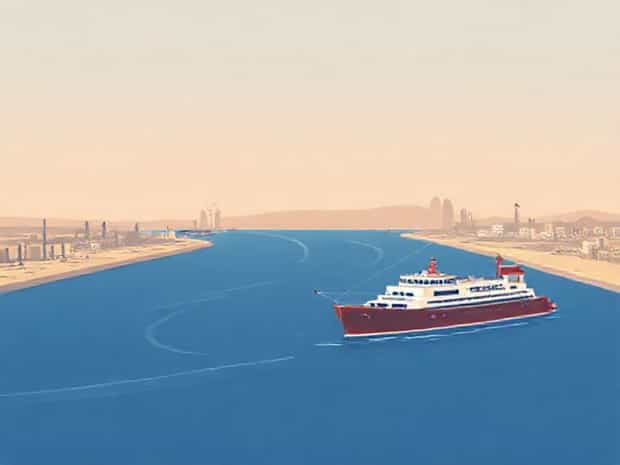
The Suez Canal is one of the most strategic waterways in the world, connecting the Mediterranean Sea to the Red Sea and providing the shortest maritime route between Europe and Asia. Since its opening in 1869, it has revolutionized global trade by reducing travel distance and time for ships, thus significantly impacting international commerce and economic development. The canal not only facilitates faster shipping but also plays a crucial role in global energy transport, tourism, and geopolitical strategy. Understanding the benefits of the Suez Canal highlights why it remains vital to both regional and international economies.
Time and Distance Savings in Global Shipping
One of the most obvious benefits of the Suez Canal is the reduction in travel distance between Europe and Asia. Before the canal, ships had to navigate around the southern tip of Africa via the Cape of Good Hope, adding thousands of kilometers to voyages. By providing a direct route, the Suez Canal significantly shortens travel time, reducing fuel consumption, labor costs, and wear and tear on vessels.
Efficiency for Cargo Transport
Shorter routes mean faster delivery of goods. This efficiency is critical for industries that rely on timely shipments, such as electronics, automotive parts, and perishable goods. Companies save millions annually due to reduced shipping costs and quicker turnaround times. The canal’s role in cargo transport supports just-in-time manufacturing systems and global supply chains, making international trade more reliable and cost-effective.
Economic Benefits for Egypt
The Suez Canal is a significant source of revenue for Egypt, generating billions of dollars in toll fees each year. Ships passing through pay fees based on their size, cargo type, and tonnage, providing a steady stream of income that supports national development projects and infrastructure improvements. The canal also stimulates employment in sectors such as port services, logistics, maintenance, and security.
Boosting Local Industries
The economic impact extends beyond toll revenues. The canal region attracts businesses involved in shipping, shipbuilding, and maritime services. Tourism in nearby cities benefits from cruise traffic and sightseeing tours. Additionally, the presence of an international maritime hub encourages investment in ports, warehouses, and industrial zones, fostering regional economic growth.
Global Trade and Energy Transportation
The Suez Canal plays a pivotal role in global energy trade. A significant portion of the world’s oil and natural gas shipments passes through this route. By providing a direct link between the oil-producing regions of the Middle East and major consumer markets in Europe and North America, the canal helps stabilize global energy supply and reduces transportation costs for energy commodities.
Importance for Oil and Gas
- The canal facilitates the movement of crude oil, liquefied natural gas (LNG), and petroleum products.
- It reduces the need for longer and more dangerous routes around Africa, minimizing risk to ships and cargo.
- Quick transit through the canal helps maintain stable fuel prices by ensuring a consistent supply chain.
Impact on Global Commerce
Beyond energy, the Suez Canal supports the transport of manufactured goods, raw materials, and consumer products. Its strategic location makes it an essential artery for global commerce, affecting shipping routes, trade volumes, and economic interdependence among nations. Major ports in Europe, Asia, and the Middle East rely on the canal for efficient import and export operations.
Geopolitical Significance
The Suez Canal is not only an economic asset but also a geopolitical strategic point. Its control and security influence regional stability, international diplomacy, and maritime law. Countries and organizations monitor and regulate passage through the canal to ensure safe navigation, preventing potential disruptions to global trade.
International Relations and Security
Global powers often consider the Suez Canal in their strategic planning, as disruptions can have worldwide economic consequences. For example, conflicts or blockages in the canal can cause shipping delays, increase costs, and affect energy supply chains. By maintaining security and smooth operations, the canal contributes to international stability and cooperation among nations.
Environmental Benefits and Challenges
While the Suez Canal primarily serves economic and strategic purposes, it also has environmental implications. By providing a shorter route, it reduces fuel consumption and carbon emissions compared to longer voyages around Africa. However, the canal also poses challenges, such as the introduction of invasive marine species between the Mediterranean and Red Seas. Efforts to monitor and manage these ecological impacts are ongoing, balancing economic benefits with environmental responsibility.
Reducing Carbon Footprint
Shorter shipping routes mean ships burn less fuel, directly decreasing greenhouse gas emissions. This reduction contributes to global efforts to mitigate climate change while supporting efficient maritime transport.
Technological and Infrastructural Advancements
The Suez Canal has evolved through modernization projects, including widening and deepening channels, installing advanced navigation systems, and constructing parallel lanes to improve traffic flow. These technological improvements enhance safety, reduce congestion, and increase the canal’s capacity, allowing larger vessels to pass efficiently and reinforcing its status as a critical international trade route.
Modernization Benefits
- Supports the transit of mega-ships and container vessels.
- Reduces the likelihood of accidents and grounding incidents.
- Improves predictability and scheduling for global shipping companies.
Tourism and Cultural Impact
The Suez Canal also attracts tourists interested in its engineering marvel, historical significance, and scenic views. Cities along the canal offer cultural experiences, museums, and educational tours about its construction and operation. Tourism generates revenue and promotes awareness of Egypt’s heritage and the canal’s role in world history.
Educational and Cultural Opportunities
Visitors learn about the canal’s construction, from the labor-intensive processes in the 19th century to modern engineering techniques. Educational programs highlight its influence on global trade, maritime law, and international relations, fostering global understanding and appreciation.
The Suez Canal is a vital waterway with multifaceted benefits. It saves time and distance in global shipping, supports economic development in Egypt, facilitates energy transport, and strengthens international trade and geopolitical stability. Modernization projects continue to enhance its efficiency, while environmental and cultural initiatives balance economic advantages with sustainability and heritage preservation. Understanding the significance of the Suez Canal underscores its essential role in connecting continents, fostering global commerce, and shaping the economic and strategic landscape of the modern world.