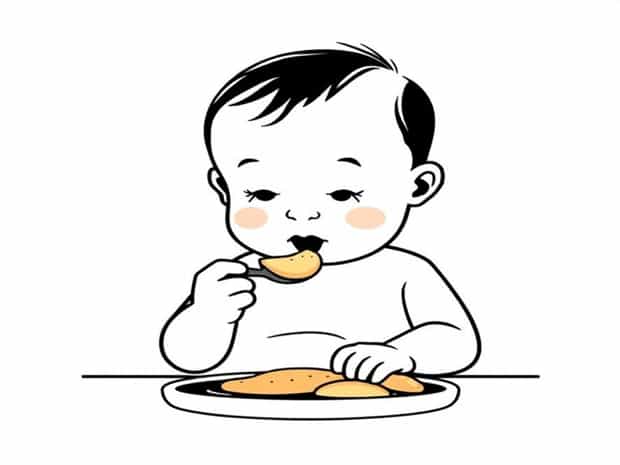
Baby Distracted While Eating
Watching a baby eat can be a joyful experience, but it often comes with its share of challenges, particularly when a baby becomes easily distracted while eating. Many parents notice that their little ones may stop feeding mid-bite, look around the room, or focus on toys and other stimuli instead of their food. This behavior can be frustrating and concerning, as it may affect the child’s nutritional intake and overall eating habits. Understanding why babies get distracted during meals, the factors that contribute to this behavior, and practical strategies to help improve focus can make mealtime a more positive and productive experience.
Why Babies Get Distracted While Eating
Distraction during feeding is a common occurrence in infants and toddlers. Several factors contribute to this behavior, including developmental stages, environmental stimuli, and the baby’s temperament.
Developmental Curiosity
Babies are naturally curious about their surroundings. Between six months and two years of age, they are developing new cognitive and motor skills, which makes them highly aware of what is happening around them. The sights, sounds, and movements in their environment can easily capture their attention, causing them to momentarily forget about feeding.
Environmental Stimuli
Mealtime environments can have a significant impact on a baby’s ability to focus. Bright lights, television, siblings playing, or toys nearby can all draw a baby’s attention away from eating. Even small changes, such as a new decoration or a passing pet, can interrupt their focus. Reducing unnecessary stimuli during feeding can help the baby concentrate on the meal.
Hunger and Satiety Cues
Sometimes, distraction occurs because the baby is not very hungry or has already reached a point of fullness. Babies often self-regulate their intake, and if they feel satisfied, they may turn their attention elsewhere. Observing hunger and satiety cues, such as leaning forward for more food or turning away when full, can help parents respond appropriately.
Challenges Posed by Distracted Eating
While occasional distraction is normal, frequent interruptions during mealtime can present challenges for both the baby and the caregiver.
- Inadequate NutritionIf a baby consistently becomes distracted, they may not consume enough nutrients to support healthy growth and development.
- Extended Mealtime DurationDistractions can prolong feeding sessions, making mealtime stressful for both the parent and child.
- Behavioral PatternsEarly patterns of distracted eating may lead to difficulties in developing good eating habits as the child grows older.
Strategies to Minimize Distraction
There are practical strategies parents can implement to help their baby stay focused during meals and develop healthy eating routines.
Creating a Calm Mealtime Environment
Reducing environmental distractions is one of the most effective ways to encourage focused eating. Turn off the television, remove toys from the feeding area, and minimize loud noises. Choosing a consistent place for meals can help the baby associate that space with eating, improving attention over time.
Using Interactive Feeding Techniques
Engaging the baby during feeding can help maintain focus. Speaking softly, making eye contact, and offering small pieces of food at a time can encourage the baby to pay attention to the meal. Responsive feeding paying attention to the baby’s cues and adjusting pace accordingly supports both focus and self-regulation.
Timing and Routine
Establishing a consistent feeding schedule helps regulate the baby’s hunger patterns. Feeding the baby when they are alert but not overly tired ensures they are receptive to eating. Short, frequent meals may be more effective than long sessions if the baby has a short attention span.
Encouraging Independent Feeding
Allowing the baby to explore food with their hands or practice using a spoon can increase engagement. This hands-on approach may reduce distractions caused by boredom or restlessness and fosters motor skill development. Supervised independent feeding helps babies learn to focus on the task of eating while having a sense of control.
When to Seek Professional Advice
While most cases of distracted eating are normal, certain signs may warrant consultation with a pediatrician or feeding specialist
- Poor growth or weight gain over time
- Persistent refusal to eat certain textures or foods
- Choking or gagging during most meals
- High levels of anxiety or stress associated with mealtime
Early intervention can address underlying issues, whether they relate to developmental delays, sensory sensitivities, or medical conditions, and ensure the baby maintains a healthy and balanced diet.
Supporting Healthy Eating Habits
Developing good eating habits in early childhood can have a long-term impact on a child’s relationship with food. By understanding why babies get distracted and using strategies to maintain focus, parents can foster positive mealtime experiences. Offering a variety of textures and flavors, modeling healthy eating behaviors, and maintaining patience during feeding sessions all contribute to the baby’s ability to concentrate on meals and enjoy the process of eating.
Distraction during mealtime is a normal part of a baby’s development, influenced by curiosity, environmental stimuli, and natural hunger cues. While it can be challenging for parents, understanding the reasons behind distracted eating and implementing strategies such as reducing distractions, engaging the baby during meals, and establishing routines can greatly improve the situation. With patience, consistency, and observation, caregivers can help their baby develop healthy eating habits, ensuring they receive adequate nutrition while fostering a positive relationship with food from an early age.