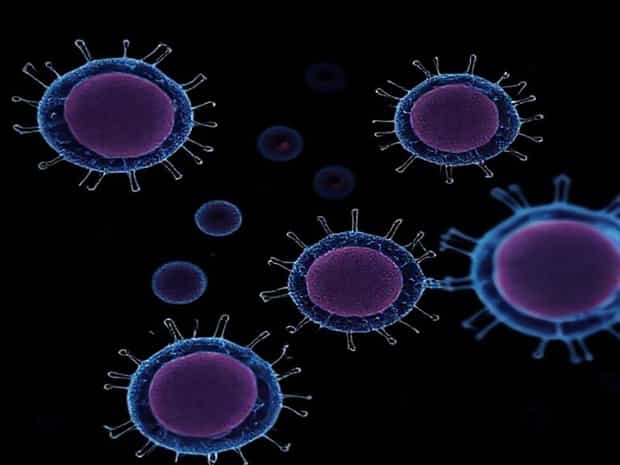
B16 Murine Melanoma Cells
B16 murine melanoma cells are widely recognized in biomedical research for their role in studying cancer biology, tumor progression, and immune system interactions. These cells, derived from mouse melanoma, have become a standard model for understanding how melanoma develops and responds to different therapies. Because they can be transplanted into mice to form tumors, they provide researchers with a reliable and reproducible way to explore experimental treatments, investigate molecular mechanisms, and test immunotherapies before they are applied to humans. The use of B16 murine melanoma cells has significantly advanced cancer research and continues to be a cornerstone in experimental oncology.
Background of B16 Murine Melanoma Cells
B16 murine melanoma cells were originally derived from a spontaneous melanoma in C57BL/6 mice. Over decades, they have been maintained, cultured, and used as transplantable tumor models in preclinical studies. The importance of these cells lies in their genetic stability, reproducibility, and compatibility with immunocompetent mice, allowing for studies that integrate tumor growth with immune responses.
Why B16 Cells Are Used
There are several reasons B16 melanoma cells are considered a valuable tool in cancer research
- They are syngeneic to the C57BL/6 mouse strain, meaning immune rejection is minimized.
- They grow rapidly and consistently, making them suitable for controlled experiments.
- They can be genetically modified to express markers, making molecular studies easier.
- They are sensitive to various therapeutic interventions, allowing testing of chemotherapy, radiation, and immunotherapy strategies.
Characteristics of B16 Melanoma Cells
B16 murine melanoma cells have unique biological and molecular characteristics that make them distinct from other tumor models. They are pigmented due to melanin production, similar to human melanomas. The cells exhibit aggressive growth and a tendency to metastasize, which makes them an appropriate model for studying tumor spread.
Substrains of B16 Cells
Over time, researchers have developed substrains of B16 melanoma cells to better study different aspects of cancer. These include
- B16-F0– the parental line, with moderate metastatic potential.
- B16-F1– a subline with intermediate metastatic behavior.
- B16-F10– a highly metastatic subline often used to study lung metastasis.
These substrains allow scientists to model different stages of melanoma progression, from primary tumor growth to widespread metastasis.
Applications in Cancer Research
B16 murine melanoma cells are not limited to basic tumor biology studies. They are also widely used in developing and testing new cancer treatments, especially immunotherapies.
Immunotherapy Studies
Because B16 cells can be transplanted into immunocompetent mice, they provide an excellent platform to test how immune cells interact with tumors. Researchers have used them to evaluate
- Checkpoint inhibitors, such as anti-PD-1 and anti-CTLA-4 antibodies.
- Cancer vaccines designed to stimulate anti-tumor immunity.
- Adoptive T cell transfer, where immune cells are engineered and reinfused into mice.
These studies have paved the way for therapies that are now used in human melanoma treatment.
Chemotherapy and Radiation Research
B16 melanoma cells are also used to test the effectiveness of traditional cancer therapies. By implanting tumors in mice and treating them with chemotherapeutic drugs or radiation, researchers can measure tumor shrinkage, survival rates, and molecular changes in the cancer cells.
Metastasis Models
Metastasis remains one of the greatest challenges in treating cancer. The B16-F10 subline, in particular, is highly metastatic and often used to study how melanoma spreads, especially to the lungs. These experiments provide insight into how tumor cells invade, survive in circulation, and colonize distant organs.
Advantages of Using B16 Murine Melanoma Cells
The use of B16 melanoma cells provides several benefits for cancer researchers
- Consistency in experimental outcomes due to stable cell lines.
- Ability to study tumors in a living organism with an intact immune system.
- Flexibility in genetic modification for mechanistic studies.
- Relevance to human melanoma in terms of tumor biology and progression.
Limitations of the Model
Despite their advantages, B16 murine melanoma cells also have limitations. No animal model perfectly replicates human cancer. Some of the limitations include
- Differences between murine and human immune systems may affect how therapies translate to patients.
- B16 tumors often grow faster than human melanomas, which may limit long-term studies.
- The genetic diversity of human melanomas is greater than that of B16 cells.
These challenges mean that while B16 models are informative, findings must be validated in human studies.
Recent Advances Using B16 Cells
Modern cancer research has expanded the use of B16 murine melanoma cells into cutting-edge studies involving molecular biology and immunology. For example
- CRISPR-Cas9 technology is used to edit genes in B16 cells to study tumor suppressor pathways.
- Single-cell sequencing of B16 tumors provides insights into tumor heterogeneity and immune evasion strategies.
- Combination therapies using immunotherapy and targeted drugs are tested in B16 tumor-bearing mice.
These innovations continue to make B16 cells an essential platform for experimental oncology.
The Role of the Immune Microenvironment
B16 murine melanoma cells are valuable for exploring how the tumor microenvironment shapes cancer progression. The immune system interacts with tumors in complex ways, sometimes suppressing them and sometimes promoting their growth. By using B16 cells in syngeneic mouse models, scientists can study
- Tumor-associated macrophages and their role in suppressing anti-tumor immunity.
- The effects of regulatory T cells in limiting immune attack on cancer cells.
- Cytokine signaling and its influence on tumor progression.
This research is critical for designing therapies that not only target cancer cells directly but also reshape the immune system to fight back effectively.
Ethical Considerations
The use of B16 murine melanoma cells in animal studies raises ethical considerations. Researchers are expected to follow strict guidelines to minimize animal suffering and ensure responsible use of animal models. The scientific benefits are weighed carefully against ethical concerns, and alternative methods are pursued whenever possible.
B16 murine melanoma cells remain one of the most important models in cancer research. Their ability to form tumors in immunocompetent mice makes them invaluable for studying tumor biology, metastasis, and the immune system’s role in cancer progression. While there are limitations to the model, it has contributed enormously to advances in melanoma research and the development of modern therapies. As science moves forward, B16 cells will continue to play a key role in bridging the gap between laboratory discoveries and clinical applications, ensuring that new treatments are tested thoroughly before being brought to patients.