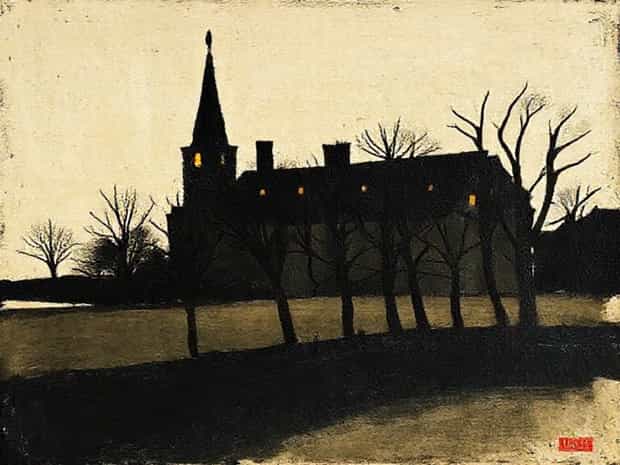
Artist Maurice De Vlaminck
Maurice de Vlaminck is widely recognized as one of the pivotal figures in early 20th-century French painting, whose bold use of color and expressive brushwork left a lasting impact on the Fauvist movement. Born in 1876, Vlaminck emerged during a period of significant transformation in the art world, when traditional approaches were being challenged by artists seeking new forms of expression. His work reflects a passion for vivid color, dynamic compositions, and emotional intensity, offering a fresh perspective on landscapes, urban scenes, and still lifes. Vlaminck’s journey as an artist illustrates the evolution of modern art in France and highlights the influence of personal vision in shaping artistic innovation.
Early Life and Artistic Beginnings
Maurice de Vlaminck was born in the Paris suburb of Montmartre, an area known for its artistic vibrancy. From an early age, he showed an interest in painting and studied at the Ãcole des Arts Decoratifs. While initially influenced by the Impressionist style, Vlaminck soon developed a more expressive approach, emphasizing bold color and simplified forms. Early in his career, he also worked as a professional cyclist and music performer, experiences that contributed to his unique perspective on movement, energy, and rhythm in painting. His early exposure to the artistic community in Paris provided the foundation for his later experimentation with Fauvism.
The Fauvist Movement
Vlaminck became closely associated with Fauvism, a movement characterized by its vibrant color palette, emotional intensity, and radical departure from traditional representation. Alongside artists such as Henri Matisse and André Derain, Vlaminck embraced color as a primary means of expression rather than as a descriptive tool. Fauvist paintings often feature strong, unmodulated colors and dynamic brushstrokes, creating a sense of immediacy and emotional resonance. Vlaminck’s contribution to Fauvism is notable for his ability to convey both vitality and structure, often blending the raw energy of nature with disciplined compositional techniques.
Artistic Style and Techniques
Maurice de Vlaminck’s painting style is immediately recognizable for its bold, expressive use of color and confident brushwork. He frequently applied paint in thick, impasto layers, allowing colors to vibrate against one another and create visual intensity. Landscapes were a recurring subject, particularly scenes of the Seine River and the countryside around Paris. Vlaminck’s landscapes are characterized by dynamic contrasts, bright complementary colors, and a sense of movement that captures the emotional essence of the scene rather than a literal depiction. In addition to landscapes, he produced urban scenes, still lifes, and portraits, each reflecting his commitment to vivid expression and formal experimentation.
Notable Works
- Restaurant de la Machine à Bougival (1905)A lively landscape capturing the vibrancy of a riverside setting with Fauvist color contrasts.
- The River Seine at Chatou (1906)Demonstrates his mastery of capturing light and water reflections through bold brushwork.
- Landscape at Chatou (1906)Exemplifies the Fauvist emphasis on strong, unmodulated colors and emotional impact.
- Portrait of André Derain (1905)Reflects his engagement with fellow Fauvist artists and portrait experimentation.
Influences and Inspirations
Vlaminck drew inspiration from multiple sources, including Impressionism, Post-Impressionism, and the natural landscapes of France. Artists such as Vincent van Gogh and Paul Cézanne influenced his approach to color, structure, and composition. Vlaminck was particularly interested in translating the emotional experience of a scene onto canvas, prioritizing personal perception over strict realism. His connection to the Fauvist circle also encouraged experimentation with unconventional color combinations and compositional arrangements, which became a hallmark of his artistic identity. The natural environment, especially rivers, forests, and rural settings, remained a constant inspiration throughout his career.
Critical Reception and Legacy
Maurice de Vlaminck achieved both critical acclaim and commercial success during his lifetime, though his work initially provoked controversy due to its bold style. Critics of the early 20th century often struggled to appreciate the radical departure from traditional techniques, yet audiences gradually recognized the emotional power and aesthetic innovation of his paintings. Over time, Vlaminck’s work has been celebrated as a foundational contribution to Fauvism and modern art more broadly. His paintings are now held in major international collections, reflecting enduring interest in his coloristic brilliance and expressive vision.
Later Life and Evolution of Style
In his later years, Vlaminck continued to evolve as an artist, experimenting with more subdued palettes and structured compositions. While Fauvism remained a central influence, he explored post-Fauvist approaches that balanced color intensity with compositional clarity. This period also saw an increased focus on still life and portraiture, allowing him to explore different forms of expression while maintaining his distinctive style. Vlaminck’s adaptability and commitment to personal vision demonstrate his continued relevance in the history of modern art and his willingness to engage with evolving artistic trends.
Artistic Philosophy
Vlaminck believed that art should be an emotional and expressive medium rather than a mere representation of reality. His philosophy emphasized the power of color and form to convey personal experience and internal states. He argued that painting should evoke feeling and resonance in the viewer, creating a connection that transcends literal depiction. This approach guided his work throughout his career, shaping both his Fauvist masterpieces and later explorations into different stylistic territories.
Exhibitions and Collections
Maurice de Vlaminck’s works have been exhibited in numerous galleries and museums worldwide. Prominent institutions such as the Musée d’Orsay in Paris and the Metropolitan Museum of Art in New York hold key examples of his work. Retrospectives and curated exhibitions continue to celebrate his contributions to Fauvism and modern art, highlighting both early landscapes and later still lifes. Public and private collectors alike recognize the significance of his paintings, ensuring that his artistic legacy remains visible and influential for contemporary audiences.
Impact on Modern Art
Vlaminck’s bold approach to color and expression influenced subsequent generations of artists who sought to explore emotional intensity and abstraction. His work helped pave the way for movements such as Expressionism and abstract color field painting, demonstrating the enduring power of Fauvist principles. By emphasizing personal vision, emotional resonance, and the transformative potential of color, Vlaminck left an indelible mark on the trajectory of 20th-century art.
Maurice de Vlaminck remains a central figure in the history of modern art, celebrated for his daring use of color, expressive brushwork, and emotional depth. His contributions to Fauvism and his broader explorations of landscapes, urban scenes, and still lifes reveal an artist committed to personal expression and innovative visual storytelling. From his early experiments to his later refinements, Vlaminck’s work demonstrates the transformative potential of art that prioritizes emotion and perception over conventional representation. Today, his paintings continue to inspire artists, collectors, and viewers around the world, affirming his lasting influence on the evolution of modern art.
Through a combination of technical skill, emotional insight, and fearless experimentation, Maurice de Vlaminck created a body of work that is both historically significant and visually captivating. His legacy endures not only in the museums and collections that preserve his work but also in the continued appreciation of Fauvism’s bold, expressive spirit. For anyone interested in the development of modern painting, Vlaminck offers a compelling study of how color, emotion, and individual vision can converge to create art that transcends its time.