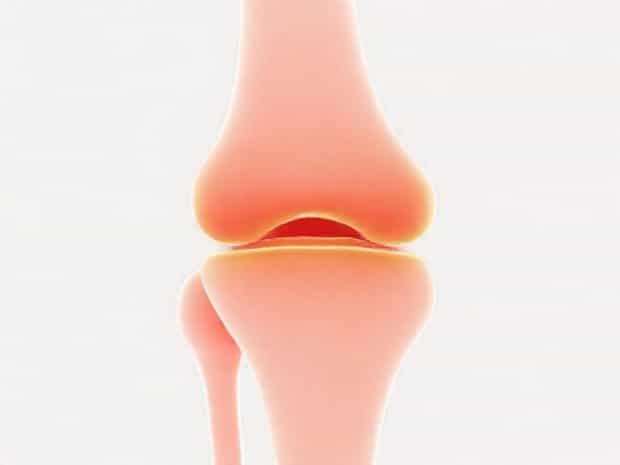
Articular Discs And Menisci
Articular discs and menisci are critical structures within human joints that play a fundamental role in maintaining joint stability, distributing mechanical load, and facilitating smooth movement. Often overlooked in discussions about musculoskeletal health, these fibrocartilaginous structures are essential for preventing wear and tear, reducing friction, and protecting bones from damage. Understanding the anatomy, function, and potential injuries associated with articular discs and menisci is crucial for anyone interested in joint health, physical therapy, or orthopedic care. Their significance extends to both everyday movement and athletic performance, highlighting their importance across a wide range of activities.
Understanding Articular Discs
Articular discs are fibrocartilaginous structures found in certain synovial joints, such as the temporomandibular joint (TMJ) and the sternoclavicular joint. Unlike menisci, which are primarily associated with the knee, articular discs are present in joints that require complex movement and stability. These discs function as cushions between the articulating bones, absorbing shock and distributing forces evenly across the joint surfaces. Their unique structure allows them to adapt to varying degrees of pressure and movement, preventing damage to the joint and surrounding tissues.
Structure and Composition
Articular discs are composed of dense fibrocartilage, which provides both flexibility and strength. This composition allows the disc to withstand compressive forces while maintaining its shape and integrity. Blood supply to these discs is limited, which can affect healing in the event of injury. They are anchored to the surrounding ligaments and capsule, ensuring that they remain in proper alignment during joint motion. The disc is usually biconcave or wedge-shaped, providing a natural fit between the articulating surfaces and facilitating smooth movement.
Functions of Articular Discs
- Shock AbsorptionArticular discs cushion bones during impact, reducing the risk of damage to joint surfaces.
- Load DistributionThey help spread mechanical forces evenly across the joint to prevent localized stress.
- Joint StabilityDiscs maintain alignment and congruency between bones during complex movements.
- Friction ReductionBy facilitating smooth gliding between bones, they reduce wear and tear over time.
Understanding Menisci
Menisci are specialized fibrocartilaginous structures located primarily in the knee joint. Each knee contains two menisci the medial meniscus and the lateral meniscus positioned between the femur and tibia. These crescent-shaped structures play a crucial role in stabilizing the knee, absorbing shock, and improving the fit between the joint surfaces. Menisci are particularly important for load-bearing activities such as walking, running, and jumping, as they help distribute forces and prevent excessive stress on the articular cartilage.
Structure and Composition
Menisci are composed of fibrocartilage, which combines the tensile strength of collagen fibers with the cushioning properties of cartilage. The medial meniscus is more C-shaped and firmly attached to the tibial plateau, making it less mobile and more prone to injury. The lateral meniscus is more circular and slightly more flexible, providing adaptability during complex knee movements. Both menisci have a limited blood supply, mainly concentrated at their outer edges, which impacts their ability to heal after tears or other injuries.
Functions of Menisci
- Shock AbsorptionMenisci cushion the knee during weight-bearing activities, reducing stress on bones and cartilage.
- Load DistributionThey evenly distribute the body’s weight across the knee joint to prevent cartilage damage.
- Joint StabilityMenisci enhance the stability of the knee, especially during rotational or lateral movements.
- ProprioceptionThese structures contain nerve endings that provide feedback about joint position and movement, aiding coordination.
Common Injuries and Conditions
Both articular discs and menisci are susceptible to injury, often due to trauma, repetitive stress, or degenerative changes. Injuries to these structures can result in pain, limited range of motion, and joint instability, affecting both daily activities and athletic performance. Common conditions include disc displacement in the TMJ, meniscal tears in the knee, and degenerative changes associated with osteoarthritis.
Articular Disc Injuries
- Displacement or DislocationThe disc may shift out of its normal position, causing pain, clicking, or restricted movement.
- DegenerationChronic wear can thin the disc, reducing its shock-absorbing capacity and leading to joint discomfort.
- InflammationTrauma or overuse can trigger inflammatory responses, resulting in pain and swelling.
Meniscal Injuries
- TearsMeniscal tears are common, particularly in athletes. They can occur due to twisting, sudden changes in direction, or heavy impact.
- Degenerative ChangesOver time, menisci can wear down, reducing their cushioning ability and contributing to osteoarthritis.
- DisplacementPortions of the meniscus may become displaced within the joint, causing locking or catching sensations.
Treatment and Management
Treatment for injuries to articular discs and menisci depends on the severity and type of damage. Non-surgical approaches often include rest, physical therapy, anti-inflammatory medications, and activity modification. In more severe cases, surgical interventions may be necessary to repair or remove damaged tissue.
Non-Surgical Management
- Physical therapy to strengthen surrounding muscles and improve joint stability.
- Anti-inflammatory medications or corticosteroid injections to reduce pain and swelling.
- Activity modification to prevent further injury and promote healing.
- Supportive devices such as braces or splints to stabilize the joint.
Surgical Options
- Arthroscopic repair or removal of damaged meniscus tissue.
- Disc repositioning or repair in joints like the TMJ.
- Joint replacement in cases of severe degeneration or osteoarthritis.
Articular discs and menisci are essential components of the musculoskeletal system, providing stability, shock absorption, and smooth movement in joints. Their fibrocartilaginous structure allows them to withstand mechanical stress while maintaining flexibility and cushioning. Injuries or degenerative changes in these structures can significantly impact mobility and quality of life, making proper care and timely intervention critical. Understanding their anatomy, function, and potential pathologies is key to maintaining joint health, optimizing athletic performance, and supporting long-term mobility.
In summary, articular discs and menisci serve as protective and functional components of joints, enabling a balance between movement and stability. Their role in absorbing impact, distributing load, and enhancing proprioception highlights their importance across various joints, particularly the knee and TMJ. By appreciating the significance of these structures and recognizing the signs of injury, individuals can take proactive steps to preserve joint function and ensure overall musculoskeletal well-being.