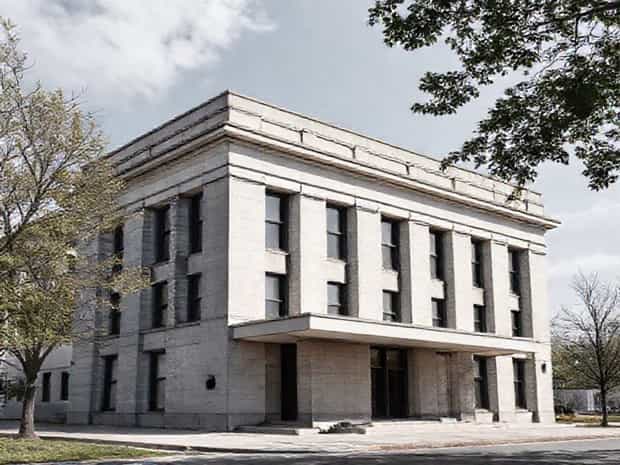
Arthur Meighen Building Rehabilitation
Located at 25 St. Clair Avenue East in Toronto, the Arthur Meighen Building stands as a testament to Canada’s commitment to sustainability and modern infrastructure. Originally constructed in the 1950s, this 10-storey building has undergone a significant rehabilitation to transform it into a state-of-the-art, energy-efficient facility. The renovation aims to reduce greenhouse gas emissions by over 80% and serves as a flagship model for the Government of Canada’s zero-carbon initiative.
Project Overview
The rehabilitation of the Arthur Meighen Building is a comprehensive project that encompasses both interior and exterior renovations. The Government of Canada, through Public Services and Procurement Canada (PSPC), initiated this project to modernize the building and align it with contemporary environmental standards. The renovation includes the replacement of all building systems electrical, plumbing, mechanical, heating, ventilation, and air conditioning (HVAC) to enhance efficiency and sustainability.
Sustainable Design Features
One of the primary goals of the rehabilitation is to achieve a carbon-neutral building. To this end, several sustainable design features have been incorporated
- Geothermal Heating and Cooling SystemA geothermal system has been installed to provide efficient heating and cooling, reducing reliance on traditional energy sources.
- Photovoltaic PanelsSolar panels have been added to harness renewable energy, further decreasing the building’s carbon footprint.
- High-Efficiency Building EnvelopeThe building’s exterior has been upgraded with energy-efficient materials to minimize heat loss and improve insulation.
- Triple-Glazed WindowsNew windows with advanced glazing technology have been installed to enhance thermal performance and reduce energy consumption.
- Smart Lighting SystemsAutomated lighting controls have been implemented to optimize energy use and reduce waste.
Project Team and Collaboration
The successful rehabilitation of the Arthur Meighen Building is the result of collaborative efforts among several key partners
- Public Services and Procurement Canada (PSPC)As the project leader, PSPC oversaw the planning and execution of the renovation.
- BGISServing as the project manager, BGIS coordinated the various aspects of the rehabilitation process.
- DIALOGThe architectural and engineering firm DIALOG provided design and consulting services, ensuring the integration of sustainable practices.
- UrbaconActing as the construction manager, Urbacon managed the construction phase, ensuring timely and efficient completion of the project.
Impact and Benefits
The rehabilitation of the Arthur Meighen Building offers numerous benefits
- Environmental ImpactThe renovation is expected to reduce the building’s greenhouse gas emissions by over 80%, contributing to Canada’s environmental goals.
- Operational EfficiencyUpgraded systems and energy-efficient designs will lead to significant cost savings in energy consumption.
- Enhanced Work EnvironmentModernized facilities provide a comfortable and productive workspace for federal employees.
- Community EngagementThe project has created job opportunities and stimulated the local economy through construction and related activities.
The rehabilitation of the Arthur Meighen Building exemplifies the Government of Canada’s commitment to sustainable development and modernization of federal infrastructure. By integrating advanced technologies and sustainable design principles, the project not only enhances the building’s functionality but also sets a benchmark for future government buildings aiming for carbon neutrality. The successful completion of this project underscores the importance of collaboration and innovation in achieving environmental and operational goals.