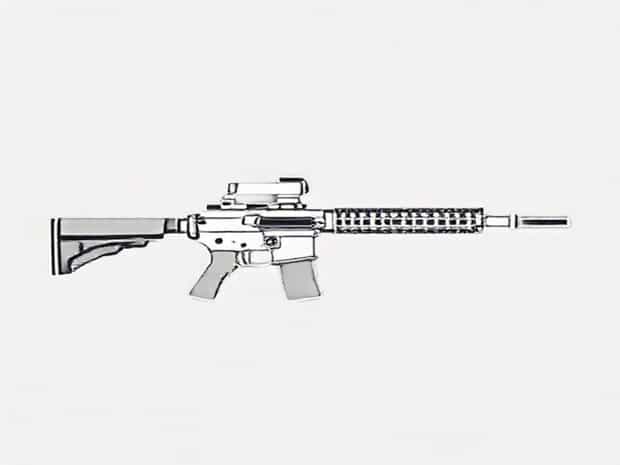
Ar15 Adjustable Gas Block
For rifle enthusiasts and firearm owners, the AR-15 remains one of the most versatile and customizable platforms available today. Among the many upgrades that can significantly impact performance, the AR-15 adjustable gas block is one of the most important components to consider. It allows shooters to fine-tune the gas system, improving reliability, recoil control, and adaptability with different ammunition types or accessories. Understanding how it works, why it matters, and how to select the right one can make a big difference for anyone looking to optimize their rifle.
What is an AR-15 Adjustable Gas Block?
The AR-15 uses a direct impingement gas system that channels gas from a fired round back into the bolt carrier group to cycle the action. A standard fixed gas block does this without modification. An AR-15 adjustable gas block, on the other hand, gives the shooter the ability to regulate how much gas is allowed into the system. This level of control helps balance the rifle’s cycling, reduce excess wear, and tailor performance to specific setups.
Why an Adjustable Gas Block Matters
For casual shooters, the difference between a fixed and adjustable gas block may not be obvious at first. However, serious marksmen, competitors, and firearm enthusiasts quickly notice the benefits. By controlling the amount of gas, the adjustable gas block prevents the rifle from being over-gassed, which can cause unnecessary recoil, faster wear on components, and ejection issues. Conversely, it also avoids being under-gassed, where the rifle may fail to cycle properly. Striking this balance is crucial for both longevity and smooth operation.
Advantages of Using an Adjustable Gas Block
-
Improved Recoil ManagementBy reducing excess gas pressure, the shooter experiences less felt recoil, leading to quicker follow-up shots and improved accuracy.
-
Compatibility with SuppressorsSuppressor use often increases back pressure. An AR-15 adjustable gas block compensates for this, ensuring smooth cycling without excessive wear.
-
Extended Component LifeReducing unnecessary force on the bolt carrier and buffer system minimizes long-term wear.
-
Customization for AmmunitionDifferent loads, from lightweight.223 to heavier 5.56 NATO rounds, perform better with fine-tuned gas settings.
How an Adjustable Gas Block Works
The design of an AR-15 adjustable gas block usually involves a small screw or valve that controls the flow of gas from the barrel’s gas port. Turning the screw clockwise reduces the amount of gas entering the system, while loosening it allows more gas. Some models feature click adjustments for precise tuning, while others use a simple set-screw design. The goal is to find the sweet spot where the rifle cycles reliably without unnecessary force.
Types of Adjustable Gas Blocks
Not all adjustable gas blocks are built the same. Manufacturers design them with various features to suit different needs. Some common types include
Set-Screw Adjustable Gas Block
This type uses a screw to regulate gas flow. It is simple, lightweight, and effective for shooters who want straightforward adjustment without added complexity.
Click-Adjustable Gas Block
A more advanced design, the click-adjustable model allows the shooter to make precise changes with tactile feedback. This is especially useful for competitive shooters who want consistent settings when switching between suppressed and unsuppressed firing.
Clamp-On Adjustable Gas Block
Instead of using set screws that dig into the barrel, clamp-on models secure around the barrel. They are often easier to install and can provide a more secure fit.
When to Use an AR-15 Adjustable Gas Block
Not every rifle requires an adjustable gas block, but many setups benefit from it. Common scenarios include
-
Suppressor UseSuppressors create more back pressure, making rifles over-gassed. An adjustable gas block helps maintain balance.
-
Competition ShootingCompetitors often need the smoothest recoil possible for rapid follow-up shots.
-
Customized AmmunitionHandloaders or those who shoot different types of ammunition can fine-tune their system for each load.
-
Short-Barreled Rifles (SBRs)These tend to have more cycling issues due to shorter gas systems, and adjustable gas blocks help control them.
Installation and Adjustment Process
Installing an AR-15 adjustable gas block requires some mechanical know-how but is achievable for most firearm owners with the right tools. Typically, the process involves removing the handguard, detaching the old gas block, and replacing it with the adjustable one. After installation, the tuning process begins.
Steps to Tune an Adjustable Gas Block
-
Load one round of ammunition into the magazine.
-
Fire the rifle and check if the bolt locks back on the empty magazine.
-
If it does not lock back, open the gas adjustment slightly to allow more gas.
-
If it locks back consistently, close the gas just enough to reduce unnecessary flow.
-
Repeat until the rifle cycles reliably with the least amount of gas needed.
Choosing the Right Adjustable Gas Block
When selecting an AR-15 adjustable gas block, shooters should consider their rifle setup and intended use. Some factors to keep in mind include
-
Material and DurabilityHigh-quality steel or hardened aluminum ensures longevity under heat and pressure.
-
Ease of AdjustmentClick-adjustable models are more user-friendly for frequent tuning, while set-screw versions are simpler and lighter.
-
Barrel CompatibilityThe gas block must fit the barrel’s gas journal diameter (commonly.750 or.625 inches).
-
Handguard ClearanceLow-profile designs are necessary for rifles with slim handguards.
Common Mistakes to Avoid
While adjustable gas blocks are beneficial, improper use can cause issues. Over-tightening screws, failing to secure the block properly, or leaving the gas setting too low can all lead to malfunctions. It is important to follow manufacturer guidelines and test the rifle thoroughly after adjustments.
AR-15 Adjustable Gas Blocks
The AR-15 adjustable gas block is more than just an accessory it is a performance-enhancing upgrade that allows shooters to take full control of their rifle’s gas system. Whether for competition, suppressed shooting, or simply fine-tuning reliability, it offers a level of customization that fixed gas blocks cannot provide. By learning how to properly install, adjust, and maintain this component, firearm owners can significantly improve shooting comfort, reduce wear, and maximize their AR-15’s potential for years to come.