Animals With Heterodont Dentition
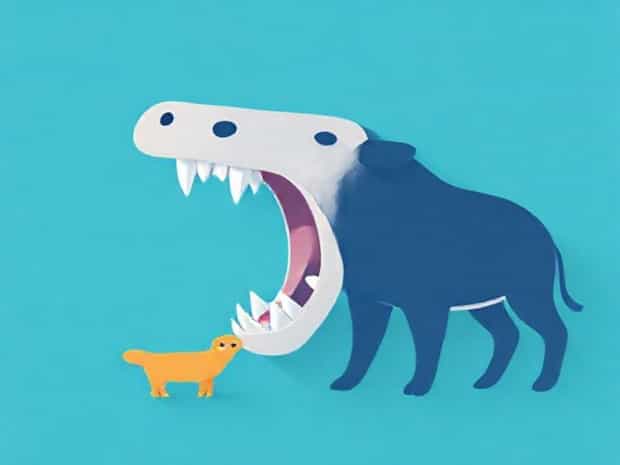
Animals with heterodont dentition are species that possess more than one type of tooth, each specialized for different functions. Unlike homodont dentition, where all teeth are of a similar shape, heterodont dentition allows for a diverse range of feeding strategies and dietary adaptations. This type of dental arrangement is a significant evolutionary development that enables animals to efficiently process a variety of foods, from plant matter to animal protein. The presence of incisors, canines, premolars, and molars in heterodont animals reflects adaptations to their ecological niches, contributing to survival and reproductive success. Understanding heterodont dentition provides insight into animal biology, evolutionary history, and feeding behaviors.
Definition and Significance of Heterodont Dentition
Heterodont dentition refers to the presence of multiple tooth types in the jaw, each with specific morphology and function. Typically, mammals are the most common examples of animals with heterodont dentition, although some reptiles also exhibit variations of this trait. The main tooth types include
- IncisorsLocated at the front of the mouth, incisors are sharp and chisel-shaped, designed for cutting or gnawing food.
- CaninesPointed teeth used for grasping, tearing, or piercing food, often associated with predatory behaviors.
- PremolarsTransitional teeth situated between canines and molars, assisting in grinding and shearing food.
- MolarsFlat-topped teeth at the back of the jaw, specialized for crushing and grinding plant material or other tough food items.
The combination of these teeth types allows heterodont animals to have more versatile diets compared to homodont species, which have uniform teeth that limit feeding strategies.
Examples of Animals with Heterodont Dentition
Heterodont dentition is prevalent in a wide range of mammals, reflecting diverse dietary habits. Some prominent examples include
Carnivores
Carnivorous mammals like lions, tigers, and wolves have heterodont dentition adapted for hunting and meat consumption. Their canines are long and pointed to capture and kill prey, while their premolars and molars are sharp-edged for slicing flesh. Incisors help in nibbling and grooming, ensuring efficient feeding and hygiene. The variation in tooth morphology allows carnivores to tear, crush, and process meat effectively, maximizing nutrient absorption.
Herbivores
Herbivorous mammals such as horses, cows, and deer also exhibit heterodont dentition, though with modifications suited for plant-based diets. Incisors are prominent for cutting grass or leaves, while canines may be reduced or absent in some species. Molars and premolars have large, flat surfaces with ridges for grinding tough plant fibers. This combination facilitates efficient breakdown of cellulose, enabling herbivores to extract nutrients from vegetation effectively. Some herbivores, like elephants, have continuously growing molars to compensate for the wear caused by constant chewing of fibrous plants.
Omnivores
Omnivorous animals, including humans, bears, and pigs, possess heterodont dentition that supports a flexible diet of both plant and animal matter. Incisors help in cutting fruits or vegetables, canines assist in tearing meat, and premolars and molars are used for grinding and crushing various foods. This adaptability in tooth function enables omnivores to exploit diverse food sources and thrive in varying environments, which contributes to their evolutionary success.
Evolutionary Importance of Heterodont Dentition
The evolution of heterodont dentition marks a significant milestone in vertebrate history. It reflects an adaptive response to environmental pressures and dietary needs, allowing species to occupy ecological niches that require specialized feeding strategies. Early mammals developed heterodont dentition as a way to diversify diets, giving them an advantage over species with uniform teeth. The differentiation of tooth types also allowed for more efficient food processing, which supports higher metabolic rates and complex behaviors associated with mammals.
Adaptive Advantages
Heterodont dentition provides several adaptive advantages
- Dietary versatilityDifferent teeth types allow animals to process a wide range of foods efficiently, from tough vegetation to animal tissue.
- Enhanced feeding efficiencySpecialized teeth reduce the energy required to chew and digest food, improving survival and growth.
- Ecological niche occupationAnimals with heterodont dentition can exploit diverse environments and food sources, reducing competition for resources.
- Reproductive successEfficient feeding supports health and reproductive capabilities, contributing to the evolutionary fitness of heterodont species.
Comparisons with Homodont Dentition
Heterodont dentition contrasts with homodont dentition, in which all teeth are similar in shape and function. Reptiles like crocodiles and snakes typically exhibit homodont dentition, where teeth are uniform and mainly used for gripping or tearing. While homodont teeth are effective for certain diets, they lack the versatility seen in heterodont animals. Heterodont dentition provides evolutionary benefits by enabling complex feeding behaviors, greater adaptability, and the exploitation of a broader range of food sources.
Functional Differentiation
The functional differentiation of teeth in heterodont animals allows for precise mechanical processing of food. For example, incisors can cut food into manageable pieces, canines can puncture or tear, and molars can grind substances thoroughly. This sequential processing improves digestion and nutrient absorption, which is less efficient in species with uniform teeth. Functional differentiation is especially important for animals with mixed diets, allowing them to handle both plant and animal matter effectively.
Dental Adaptations in Heterodont Animals
Animals with heterodont dentition have evolved numerous dental adaptations to suit their specific dietary requirements. Some examples include
Specialized Molars and Premolars
In herbivores, molars and premolars often have ridges and cusps that increase surface area for grinding fibrous plants. In carnivores, these teeth may have sharp edges and carnassial pairs that shear meat efficiently. Omnivores often display intermediate adaptations that combine grinding and slicing capabilities to accommodate varied diets.
Incisors and Canines
Incisors and canines are highly specialized depending on diet. Herbivores may have large, chisel-like incisors for cutting vegetation, while carnivores possess elongated canines for hunting and killing prey. Omnivores show moderate development of both tooth types to handle a mixture of plant and animal foods. These adaptations highlight the link between heterodont dentition and ecological specialization.
Continuous Tooth Growth
Some heterodont animals, particularly herbivores like rodents and elephants, exhibit continuous tooth growth or replacement. This adaptation compensates for wear caused by chewing tough materials and ensures long-term feeding efficiency. Continuous growth is less common in carnivores but can occur in certain species with high rates of tooth wear.
Animals with heterodont dentition demonstrate the evolutionary benefits of having multiple specialized tooth types. This dental arrangement allows for diverse feeding strategies, enhanced processing efficiency, and adaptation to varied ecological niches. From carnivores to herbivores and omnivores, heterodont dentition is a hallmark of mammalian evolution and contributes significantly to survival and reproductive success. Understanding heterodont dentition provides valuable insights into animal biology, feeding behaviors, and ecological interactions, highlighting the intricate relationship between anatomy and lifestyle. By studying these animals and their dental adaptations, scientists can better appreciate how evolution shapes species to thrive in their environments.
Overall, heterodont dentition reflects a sophisticated evolutionary strategy that maximizes feeding efficiency and versatility. It illustrates how specialized anatomy can support complex behaviors, diverse diets, and ecological success. From incisors to molars, each tooth plays a critical role in the life of heterodont animals, underscoring the intricate design and functional importance of teeth in the animal kingdom.