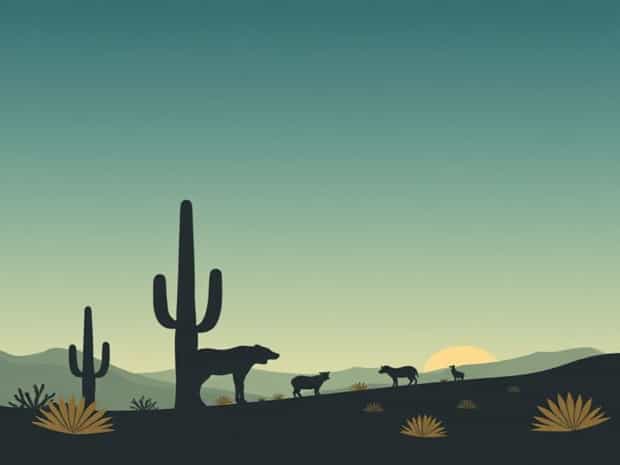
Animals In Saguaro National Park
Saguaro National Park, located in southern Arizona, is a stunning desert landscape that stretches over tens of thousands of acres. Known for its iconic saguaro cacti that tower majestically over the Sonoran Desert, the park is home to a rich and diverse array of wildlife. Visitors often come to admire the striking scenery, but the park is also a vital habitat for many animals adapted to its harsh environment. Understanding the variety of species that inhabit Saguaro National Park reveals the intricate balance of desert ecosystems and highlights the importance of conservation efforts in preserving these unique habitats.
Mammals in Saguaro National Park
The park hosts a wide range of mammals, from small rodents to larger predators. These animals have evolved to survive extreme temperatures, scarce water, and rugged terrain. Mammals play a crucial role in the park’s ecosystem, participating in seed dispersal, pollination, and maintaining population balance among prey and predator species.
Common Mammal Species
- Desert Cottontail RabbitFrequently seen in open areas, feeding on grasses and cacti.
- CoyoteAn adaptable predator, often spotted near trails or during early morning and dusk.
- JavelinaAlso known as collared peccaries, they are social animals that forage for roots, fruits, and cacti.
- BobcatElusive and primarily nocturnal, these predators help control populations of smaller mammals.
- Kangaroo RatA small rodent adapted to survive with minimal water intake, active mostly at night.
Birds of the Desert
Saguaro National Park is a haven for birdwatchers due to its incredible diversity of bird species. Birds in the park utilize cacti for nesting, hunting, and shelter, and many are migratory, adding seasonal variation to the park’s wildlife. The park offers opportunities to observe both raptors and smaller songbirds thriving in the desert environment.
Notable Bird Species
- Gila WoodpeckerOften seen pecking holes in saguaros to create nesting sites.
- Cactus WrenArizona’s state bird, nesting in the dense arms of saguaros.
- Harris’s HawkHunts in cooperative groups, a rare behavior among raptors.
- Elf OwlTiny nocturnal birds that inhabit saguaro cavities.
- Gambel’s QuailGround-dwelling birds often observed in small coveys foraging for seeds.
Reptiles in the Park
Reptiles are abundant in Saguaro National Park, taking advantage of the warm desert climate to regulate their body temperature. Snakes, lizards, and tortoises are common, each fulfilling important ecological roles such as controlling insect populations or serving as prey for larger predators.
Common Reptile Species
- Western Diamondback RattlesnakeVenomous snakes that play a critical role in controlling rodent populations.
- Desert TortoiseHerbivorous reptiles that spend much of their time in burrows to escape the heat.
- Collared LizardKnown for its speed and agility, hunting insects and small vertebrates.
- Gila MonsterA rare venomous lizard that stores fat in its tail for survival during scarce periods.
- ChuckwallaHerbivorous lizard often seen basking on rocks during cooler parts of the day.
Amphibians in the Desert Environment
Despite the arid conditions, Saguaro National Park supports several amphibian species. These creatures typically rely on temporary pools, washes, and springs to survive and reproduce. Amphibians contribute to insect control and serve as bioindicators for ecosystem health.
Examples of Amphibians
- Couch’s Spadefoot ToadBurrows underground for most of the year and emerges after heavy rains.
- Sonoran Desert ToadProduces a toxic secretion to deter predators, active mostly during rainy periods.
- Red-Spotted ToadFound near ephemeral water sources, feeding on insects and small invertebrates.
Insects and Other Invertebrates
Insects and invertebrates are critical to the food web of Saguaro National Park. They serve as pollinators, decomposers, and food for higher trophic levels. The park’s desert ecosystem supports bees, butterflies, beetles, scorpions, and tarantulas, each adapted to survive in extreme temperatures and limited water availability.
Significant Invertebrates
- Carpenter bees, essential for pollinating saguaro flowers.
- Desert tarantulas, nocturnal predators of insects and small rodents.
- Scorpions, adapted to arid conditions, primarily nocturnal hunters.
- Butterflies and moths that aid in pollination and serve as prey for birds and lizards.
- Ants and beetles, which help decompose organic matter and aerate the soil.
Ecological Interactions
The animals in Saguaro National Park interact in complex ways, forming a delicate ecological balance. Predators such as coyotes, bobcats, and raptors regulate populations of smaller mammals and reptiles, while herbivores like javelinas and desert tortoises influence plant growth and seed dispersal. Birds and insects are vital pollinators for cacti and other desert flora, ensuring the reproduction and survival of these iconic plants. Understanding these interactions highlights the importance of conserving both flora and fauna within the park.
Conservation and Visitor Impact
Protecting wildlife in Saguaro National Park requires ongoing conservation efforts. Habitat preservation, monitoring of animal populations, and restrictions on human activity are essential to maintaining ecological balance. Visitors are encouraged to observe animals from a distance, avoid feeding wildlife, and stay on designated trails to minimize disturbance. Conservation programs also focus on protecting endangered species, reducing invasive species, and restoring natural habitats.
Tips for Observing Wildlife
- Visit during early morning or late afternoon when animals are most active.
- Bring binoculars and cameras with zoom lenses to avoid approaching animals too closely.
- Follow park regulations and remain on trails to prevent habitat disruption.
- Attend guided tours or educational programs to learn more about animal behavior.
- Practice Leave No Trace principles to preserve the environment for wildlife.
Animals in Saguaro National Park showcase the resilience and adaptability of life in the desert. From mammals and birds to reptiles, amphibians, and invertebrates, each species contributes to the rich tapestry of the Sonoran Desert ecosystem. Visitors can gain a deeper appreciation for wildlife by observing behaviors, understanding ecological roles, and supporting conservation efforts. Protecting these animals ensures that Saguaro National Park remains a vibrant, thriving habitat for generations of wildlife enthusiasts to come.