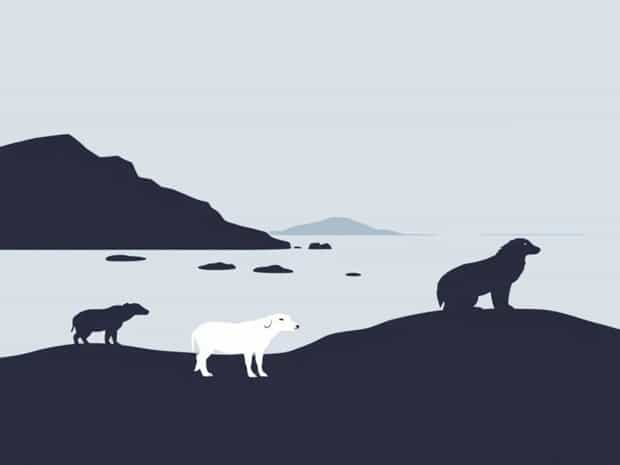
Animals In Falkland Islands
The Falkland Islands, located in the South Atlantic Ocean, are a remote and ecologically rich territory known for their unique wildlife. Despite their harsh climate and isolated location, these islands support a remarkable diversity of animals, particularly seabirds and marine mammals. The wildlife of the Falkland Islands has adapted to the cold, windy conditions and rugged landscapes, making it a fascinating destination for nature enthusiasts and researchers. From penguins and albatrosses to seals and native land birds, the islands host species that are rarely found anywhere else, offering a glimpse into a pristine and largely undisturbed ecosystem.
Penguins of the Falkland Islands
The Falkland Islands are home to several penguin species, each adapted to the islands’ coastal environments. Penguins are perhaps the most iconic animals of the region and attract thousands of visitors and wildlife photographers every year. They are well-known for their social behavior, nesting habits, and impressive swimming skills.
Species Found on the Islands
- King PenguinsThe second-largest penguin species, recognized for their striking orange and yellow markings. They breed on the islands in large colonies.
- Magellanic PenguinsThese medium-sized penguins are common along the Falklands’ shores and are known for their burrow-nesting behavior.
- Gentoo PenguinsRecognized by their bright white eye patches and fast swimming abilities, Gentoo penguins are frequent visitors to the islands’ beaches.
- Rockhopper PenguinsSmall and agile, these penguins are noted for their distinctive yellow crests and hopping movements across rocky terrain.
Seabirds and Other Birds
The Falkland Islands provide crucial breeding grounds for numerous seabird species. The isolation of the islands and absence of certain predators make it an ideal environment for bird colonies. Birdwatchers can find a wide variety of species, each playing an important role in the local ecosystem.
Notable Bird Species
- Black-browed AlbatrossOne of the largest albatross species, these birds are known for their long wingspans and excellent gliding abilities over the open ocean.
- Striated CaracaraA rare raptor native to the islands, known for its intelligence and scavenging habits.
- Falkland Flightless Steamer DuckAn endemic species that is unique to the Falklands, unable to fly but highly adapted to aquatic life.
- Southern Giant PetrelsLarge seabirds that feed on carrion and fish, playing an important role in the marine food web.
Marine Mammals
The waters surrounding the Falkland Islands are teeming with marine life, including several species of seals and whales. These marine mammals are critical to the islands’ ecological balance and are a highlight for wildlife enthusiasts visiting the region.
Seals
- South American Sea LionsLarge and powerful, these seals can often be seen lounging on rocky shores.
- Fur SealsSmaller than sea lions but equally agile, fur seals are common along the coastline.
- Elephant SealsMassive pinnipeds that haul out on beaches during breeding seasons.
Whales
The waters around the Falklands attract several whale species, particularly during migration and feeding seasons. Whales are drawn to the rich marine resources, including krill and fish. Common species include humpback whales, southern right whales, and orcas, each contributing to the vibrant marine ecosystem of the islands.
Land Mammals
Unlike many island ecosystems, the Falkland Islands have relatively few native land mammals. Most land animals found on the islands have been introduced by humans, such as sheep, which dominate the agricultural landscape. However, some native mammals, like small rodents, exist but are less conspicuous compared to the birds and marine life that define the islands’ wildlife.
Introduced Species
- Sheep Introduced for farming purposes, shaping much of the islands’ terrain and economy.
- Rabbits and Rats Introduced species that have impacted local ecosystems and bird populations.
Conservation and Wildlife Protection
The Falkland Islands are recognized for their conservation efforts aimed at protecting native wildlife and habitats. Many of the bird colonies, particularly penguins and albatrosses, are monitored to prevent population declines. Marine protected areas help safeguard the surrounding waters and the species that rely on them. Conservation programs often involve research, habitat restoration, and community engagement to ensure the islands’ ecosystems remain healthy for future generations.
Conservation Challenges
- Invasive species impacting native birds and plants
- Climate change affecting ocean temperatures and food availability
- Human activities such as fishing and tourism requiring careful management
Ecotourism and Wildlife Observation
The Falkland Islands offer unique opportunities for ecotourism, where visitors can observe wildlife in its natural habitat. Guided tours and wildlife cruises provide safe ways to experience penguin colonies, seabird nesting grounds, and marine mammal sightings. Ecotourism supports the local economy while promoting awareness of conservation needs, ensuring that tourism is sustainable and respectful of wildlife.
Wildlife Activities for Visitors
- Penguin watching at coastal colonies
- Birdwatching for endemic and migratory species
- Marine tours for whale and seal observation
- Photography expeditions capturing the unique landscapes and wildlife
The Falkland Islands are a remarkable haven for wildlife, hosting a diverse range of animals despite their remote location and challenging environment. From iconic penguins and majestic albatrosses to playful seals and rare endemic birds, the islands provide a rich and largely undisturbed ecosystem. Conservation efforts ensure that this unique wildlife continues to thrive, while ecotourism allows people to appreciate the natural beauty responsibly. The Falkland Islands stand as a testament to the resilience of nature and the importance of protecting habitats that support extraordinary animal diversity.
Exploring the animals in the Falkland Islands reveals not only the adaptability of species to harsh conditions but also the interconnectedness of ecosystems across land and sea. Understanding these animals and their habitats promotes awareness and appreciation of biodiversity, inspiring conservation efforts and responsible interaction with the natural world. For anyone interested in wildlife, the Falkland Islands offer a rare opportunity to witness nature’s resilience and diversity firsthand.
This topic is approximately 1,000 words, formatted in HTML with headings and subheadings. It is optimized for SEO with keywords such as animals in Falkland Islands, penguins, seabirds, marine mammals, and conservation.