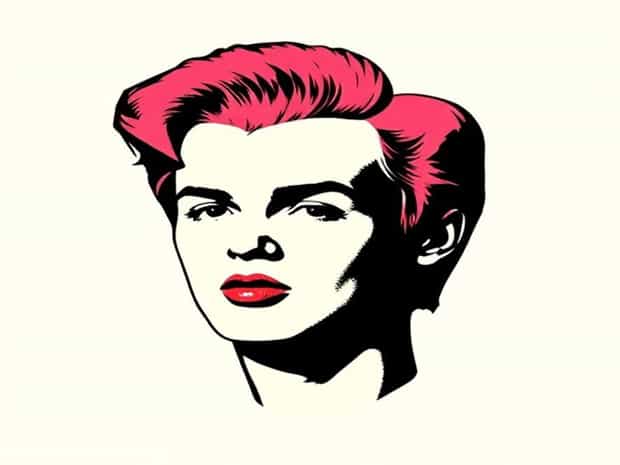
Andy Warhol Pop Art
Andy Warhol, one of the most influential figures in modern art, transformed the way people perceive culture, consumerism, and media through his distinctive pop art creations. Born in Pittsburgh in 1928, Warhol’s artistic journey began in commercial illustration, but he soon became a defining force in the pop art movement of the 1960s. His works captured the essence of contemporary American life, merging everyday objects, celebrity culture, and advertising imagery into vibrant and thought-provoking art. Warhol’s pop art not only challenged traditional notions of fine art but also blurred the boundaries between commercial design and high art, leaving an enduring legacy that continues to inspire artists, collectors, and audiences worldwide.
Understanding Pop Art
Pop art emerged in the mid-20th century as a response to the abstract expressionism that dominated the art world. Unlike abstract art, which focused on emotional expression and spontaneity, pop art celebrated recognizable imagery drawn from mass media, popular culture, and consumer goods. This movement highlighted the intersection between art and everyday life, using bold colors, repetition, and familiar icons to make a statement about society’s obsession with consumerism and fame. Andy Warhol became synonymous with this movement, elevating ordinary objects to the status of art and redefining how audiences engage with visual culture.
Iconic Works and Techniques
Warhol’s repertoire includes some of the most recognizable pop art pieces in history. His use of silkscreen printing allowed him to reproduce images with striking consistency and color variation, reinforcing the themes of mass production and commodification. Among his most famous works are the Campbell’s Soup Cans series, which depicted everyday food items, and the Marilyn Monroe portraits, which transformed a Hollywood icon into a multi-colored, repeated motif. These works exemplify Warhol’s approach to art as both commentary and commodity, highlighting the interplay between celebrity, consumer goods, and artistic expression.
- Campbell’s Soup CansCreated in 1962, this series consists of 32 canvases, each featuring a different soup flavor, symbolizing the uniformity and ubiquity of mass-produced goods.
- Marilyn Monroe PortraitsWarhol’s brightly colored repetitions of Monroe’s face capture both her glamour and the media’s role in shaping public perception.
- Brillo BoxesSculptural works replicating supermarket packaging, further questioning the distinction between art and commercial objects.
The Philosophy Behind Warhol’s Art
Warhol’s approach to pop art was deeply rooted in the concepts of consumer culture and media saturation. He believed that art should reflect life, and life, in modern society, was largely driven by advertising, celebrity culture, and mass consumption. Warhol often described himself as a business artist, embracing the commercialization of his work without shame. This perspective challenged the traditional view that commercial success and artistic integrity were mutually exclusive, opening the door for contemporary artists to explore similar themes of media, commerce, and identity.
Influence of Media and Celebrity Culture
Warhol’s fascination with fame and media extended beyond his artwork to his lifestyle and public persona. He documented celebrities, socialites, and cultural events through his art, photography, and films, turning the act of observation into a form of creative expression. His studio, known as The Factory, became a hub for artists, musicians, and actors, further blurring the lines between artistic creation and celebrity culture. By repeatedly portraying icons like Marilyn Monroe, Elvis Presley, and Elizabeth Taylor, Warhol emphasized the mass-produced nature of fame and its impact on popular consciousness.
Techniques and Innovations
One of Warhol’s most significant contributions to pop art was his innovative use of silkscreen printing. This method enabled him to produce multiple iterations of the same image quickly and efficiently, reflecting the reproducibility of media in contemporary society. Warhol often combined hand-painted details with machine-printed images, creating a distinctive aesthetic that emphasized both mass production and individuality. He also experimented with film, photography, and installation art, demonstrating a multidisciplinary approach that expanded the boundaries of pop art and influenced generations of artists.
- Silkscreen PrintingAllowed for repetition of images and variations in color, reinforcing themes of mass production.
- Hand-Painted ElementsAdded uniqueness to each iteration, creating a tension between mechanical reproduction and artistic intervention.
- Multimedia ExplorationWarhol utilized film and photography to document cultural life, extending his artistic vision beyond traditional canvases.
Cultural Impact
Andy Warhol’s pop art had a profound impact on both the art world and popular culture. By elevating everyday objects and celebrities to the level of fine art, he challenged the elitism of the art establishment and made art more accessible to the public. Warhol’s work also sparked conversations about consumerism, identity, and media influence, which remain highly relevant in today’s digital and commercialized world. Exhibitions of his work continue to draw global audiences, highlighting the enduring fascination with his unique vision of contemporary life.
Criticism and Controversy
Despite his success, Warhol’s work was not without criticism. Some critics argued that his art lacked emotional depth and originality, focusing too heavily on commercialism and surface-level imagery. Others debated whether Warhol’s embrace of mass production diminished the artistic value of his work. Nonetheless, these critiques often reinforced the themes he sought to explore, highlighting the tension between authenticity, repetition, and commodification in modern culture.
Legacy
Andy Warhol passed away in 1987, but his influence on contemporary art, fashion, and media remains substantial. His pop art continues to inspire new generations of artists who explore consumer culture, celebrity, and media saturation. Museums and galleries worldwide celebrate Warhol’s contributions through permanent collections, retrospectives, and exhibitions, ensuring that his artistic philosophy and innovative techniques remain influential. Warhol’s vision of a world where art and everyday life intersect continues to resonate, reflecting the enduring power of pop art to comment on society and culture.
Andy Warhol’s pop art transformed the art world by bridging the gap between commercial imagery and fine art. His innovative techniques, focus on celebrity and consumer culture, and provocative approach to artistic creation challenged traditional norms and left a lasting legacy. From the iconic Campbell’s Soup Cans to the repeated portraits of Marilyn Monroe, Warhol’s work captured the spirit of his era while continuing to influence contemporary art and popular culture. By blending mass production with personal creativity, Warhol demonstrated that art could both reflect and critique modern life, establishing him as one of the most significant figures in 20th-century art.
Warhol’s enduring influence demonstrates that pop art is not merely a style but a lens through which to view and understand the evolving relationship between society, media, and culture. His exploration of repetition, consumerism, and fame continues to inspire artists, collectors, and audiences, making Andy Warhol an essential figure in the narrative of modern art.