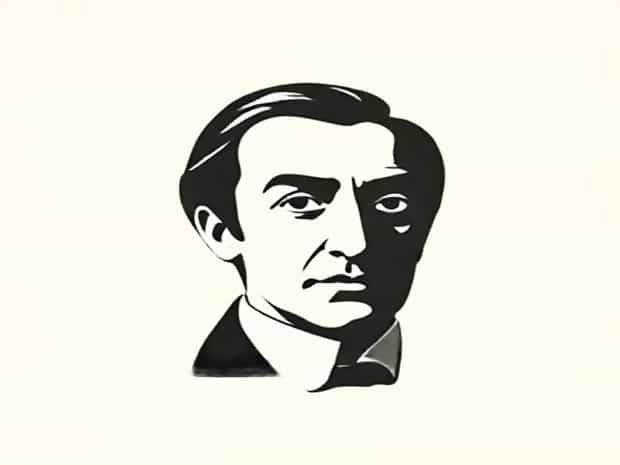
Andre Malraux Musee Imaginaire
Andre Malraux, a renowned French novelist, art theorist, and cultural minister, profoundly transformed the way we think about art and its accessibility through his concept of the Musée Imaginaire” or “Imaginary Museum.” This idea challenged traditional notions of museums as fixed spaces and emphasized the personal and intellectual experience of art. Malraux argued that reproductions, photographs, and printed images could create a universal museum in which anyone could explore and compare works from different periods and cultures. His vision reshaped the dialogue about art history, democratized cultural knowledge, and highlighted the symbolic and emotional power of artworks beyond physical limitations.
The Concept of Musée Imaginaire
The Musée Imaginaire, or Imaginary Museum, is a revolutionary idea in the realm of art criticism and history. Malraux believed that through images, art could transcend geographical and temporal boundaries. By compiling photographs of paintings, sculptures, and architectural works, individuals could create their own curated museum experience. This concept encouraged viewers to establish connections between artworks across civilizations, fostering a deeper understanding of aesthetic principles and artistic evolution.
Art Beyond Physical Space
Malraux emphasized that museums were traditionally limited by physical constraints, geographic location, and curatorial choices. The Imaginary Museum concept liberated art from these restrictions, allowing artworks from Asia, Europe, Africa, and the Americas to coexist in a single conceptual space. Through books, catalogs, and reproductions, viewers could engage with masterpieces that might otherwise remain inaccessible. This approach highlighted the universality of human creativity and encouraged comparative analysis between different artistic traditions.
The Role of Reproductions
Reproductions, whether in black-and-white photographs or color prints, became central to Malraux’s vision. He argued that the essence of art could still be conveyed even when removed from its original context. While traditionalists criticized this approach for losing the material presence of artworks, Malraux insisted that reproductions offered a unique opportunity to study form, style, and technique. In this way, the Musée Imaginaire became not only a theoretical space but also a practical tool for art education and scholarly exploration.
Impact on Art History and Criticism
Malraux’s concept influenced both the study and presentation of art. By advocating for a comparative approach, he encouraged historians and critics to consider thematic, stylistic, and symbolic continuities across cultures. This method challenged Eurocentric narratives and opened avenues for understanding non-Western art on equal terms. Moreover, the idea of an Imaginary Museum foreshadowed contemporary digital platforms, where virtual galleries allow audiences worldwide to access and engage with artworks in unprecedented ways.
Comparative Analysis of Artworks
One of the key benefits of the Musée Imaginaire is its potential for comparative study. By placing images of Renaissance paintings alongside Asian or African works, viewers can observe similarities and differences in composition, use of color, and symbolic representation. Malraux believed that this comparison would deepen appreciation and provoke critical reflection. The Imaginary Museum encouraged an interpretive dialogue rather than passive viewing, transforming how art was studied and appreciated.
Challenging Traditional Museum Authority
Malraux’s idea questioned the authority of physical museums and curatorship. In a conventional museum, selection, arrangement, and context shape perception. The Musée Imaginaire, however, placed interpretive power in the hands of the individual, allowing for personal curation and thematic exploration. This democratization of art knowledge anticipated modern participatory and digital approaches to cultural engagement, where viewers actively construct their own understanding of art rather than passively receiving it.
Cultural and Political Dimensions
Andre Malraux was not only a theorist but also a politician and cultural minister under Charles de Gaulle. His vision of the Imaginary Museum carried political and cultural significance. He sought to promote a universal appreciation of human creativity and to foster cross-cultural understanding. By emphasizing art’s universal value, Malraux also highlighted the importance of cultural preservation and access, advocating for policies that supported museums, public exhibitions, and art education.
Globalization of Art Knowledge
Through the Musée Imaginaire, Malraux anticipated a more interconnected global perspective on art. He argued that exposure to diverse artistic traditions could inspire creativity, empathy, and intellectual curiosity. This approach encouraged viewers to move beyond national or regional boundaries, cultivating a sense of shared human heritage. Today, this global perspective resonates with initiatives in digital humanities, online museum collections, and international exhibitions.
Art, Memory, and Identity
Malraux also linked art to collective memory and identity. In creating an Imaginary Museum, individuals could construct narratives about artistic evolution, cultural achievements, and historical transformation. This conceptual space allowed for the reflection on human experience, societal values, and aesthetic ideals. The Musée Imaginaire thus became a tool for both personal enrichment and cultural literacy, bridging the gap between scholarly study and public engagement.
Legacy and Modern Relevance
The Musée Imaginaire remains highly influential in contemporary discussions of art history, museum studies, and digital curation. Its principles have been applied in online galleries, educational platforms, and multimedia projects that aim to make art accessible to broader audiences. The concept also encourages critical thinking about the ways in which art is presented, interpreted, and valued. Malraux’s vision continues to inspire a more inclusive, reflective, and participatory approach to cultural engagement.
Digital Imaginary Museums
- Virtual museum platforms allow users to curate collections online, echoing Malraux’s concept.
- High-resolution reproductions and 3D imaging enable close study of details and techniques.
- Interactive tools encourage comparative analysis between works from different regions and periods.
Influence on Art Education
In educational settings, the Musée Imaginaire provides a framework for teaching art history in a dynamic and comparative manner. Students can engage with artworks beyond their immediate physical environment, developing skills in observation, analysis, and interpretation. This approach promotes curiosity, critical thinking, and a broader understanding of cultural diversity and artistic innovation.
Andre Malraux’s Musée Imaginaire reshaped the way art is perceived, studied, and appreciated. By envisioning a museum unbounded by walls or geography, he empowered individuals to engage actively with artistic traditions across time and space. His idea emphasized the universality of human creativity, the importance of comparative analysis, and the democratization of cultural knowledge. Today, the principles of the Imaginary Museum continue to influence digital curation, art education, and cross-cultural understanding, confirming Malraux’s enduring legacy as a visionary thinker in the field of art and culture.