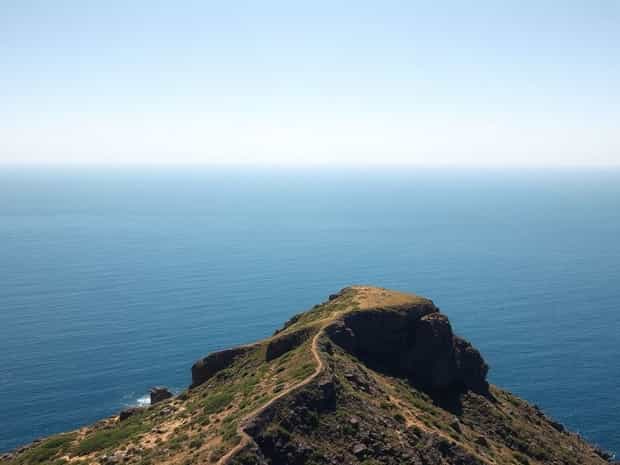
Africa’S Most Southerly Point
At the very tip of Africa lies a point where two great oceans meet, a place filled with history, natural beauty, and cultural meaning. Africa’s most southerly point is more than just a geographical marker; it represents exploration, trade, navigation, and the spirit of adventure. Travelers who venture to this part of the world are greeted by rugged coastlines, windswept landscapes, and the powerful symbolism of standing at the end of a continent. Understanding Africa’s most southerly point involves not only geography but also ecology, tourism, and cultural heritage, making it a topic rich with discovery.
Geographical Location
The southernmost point of Africa is Cape Agulhas, situated in South Africa’s Western Cape province. Many mistakenly believe that Cape of Good Hope holds this title, but Cape Agulhas lies further south, around 150 kilometers southeast of Cape Town. This location marks the meeting place of the Atlantic Ocean and the Indian Ocean, though oceanographers debate the exact boundary line. For visitors, however, the stone marker at Cape Agulhas is a symbolic place where the seas converge.
Why Cape Agulhas is Significant
Africa’s most southerly point holds both practical and symbolic importance. From a navigational perspective, Cape Agulhas has long been a critical landmark for sailors. Its name, meaning Cape of Needles in Portuguese, was given by early explorers because of the way compass needles pointed true north in this area. Beyond navigation, the cape represents the literal end of the African continent, a point that has inspired countless explorers, adventurers, and modern travelers alike.
Historical Background
The history of Africa’s most southerly point stretches back centuries. Portuguese navigators first recorded their journeys past the cape in the 15th century while searching for sea routes to India and the East. The waters around Cape Agulhas were notoriously dangerous, with treacherous currents and violent storms claiming many ships. Shipwrecks still dot the coastline, reminding visitors of the peril faced by sailors of the past. Today, these shipwrecks form part of the heritage and storytelling that enriches visits to the region.
Ocean Currents and Climate
The point where the Atlantic and Indian Oceans meet is not only symbolic but also influential in shaping climate and ecology. The cold Benguela Current flows northward from the Atlantic, while the warm Agulhas Current moves southward along the east coast. Their interaction influences marine biodiversity and weather patterns. This mix of warm and cold waters creates an environment where diverse fish species thrive, supporting local fisheries and marine life.
Tourism at Africa’s Most Southerly Point
Travelers from around the world visit Cape Agulhas to experience the sense of standing at the end of a continent. The Cape Agulhas Lighthouse, built in 1849, is a highlight for visitors, offering panoramic views of the surrounding landscape. There are also hiking trails, coastal walks, and nature reserves nearby that provide opportunities to explore the rugged beauty of the region. Tourists often combine a visit to Cape Agulhas with trips to Cape Town, the Cape Winelands, and the famous Garden Route.
Cultural and Symbolic Value
Africa’s most southerly point carries deep cultural meaning for many South Africans. It is seen as a place of unity, where different elements oceans, cultures, and histories come together. Local communities also embrace the cape as part of their heritage, celebrating its importance through festivals, art, and storytelling. Standing at the southern tip of Africa is often described as a spiritual experience, a reminder of both the vastness of the world and the resilience of humanity.
Wildlife and Natural Environment
The area around Cape Agulhas is part of the Cape Floral Kingdom, one of the richest biodiversity hotspots on earth. Unique plant species flourish here, many of which are found nowhere else in the world. Birdwatchers and nature enthusiasts are drawn to the region to observe seabirds, endemic flora, and even southern right whales during migration season. The combination of oceanic and terrestrial ecosystems makes Africa’s most southerly point an attractive destination for eco-tourism.
Myths and Misconceptions
Many people mistakenly believe that the Cape of Good Hope is Africa’s most southerly point. While the Cape of Good Hope holds historical significance as a major milestone for sailors, it is not the continent’s furthest southern tip. Clarifying this distinction helps highlight the true geographical importance of Cape Agulhas. Tour guides and information centers often emphasize this fact, helping to educate visitors about the difference between the two locations.
Local Communities and Economy
The towns and villages around Cape Agulhas benefit from tourism while maintaining strong connections to fishing and agriculture. Struisbaai, a nearby coastal town, is known for having one of the longest natural beaches in the Southern Hemisphere. Fishing is a way of life here, and visitors can see traditional practices alongside modern tourism services. The balance between cultural preservation and economic growth makes the area unique in South Africa’s tourism landscape.
Things to Do at Africa’s Most Southerly Point
Visitors to Cape Agulhas can enjoy a variety of activities beyond simply standing at the marker that designates Africa’s end. Some popular things to do include
- Climbing the Cape Agulhas Lighthouse for stunning views of the coastline.
- Walking the Agulhas National Park trails to experience the region’s natural beauty.
- Exploring shipwreck sites that tell stories of maritime history.
- Visiting local seafood restaurants to taste freshly caught fish and traditional dishes.
- Observing whales and dolphins in their natural habitat during seasonal migrations.
Ecotourism and Conservation Efforts
Conservation plays a central role in preserving the unique environment of Africa’s most southerly point. Agulhas National Park protects rare plant species and wildlife while providing a framework for sustainable tourism. Environmental education programs help visitors understand the fragile ecosystems of the region and encourage responsible travel. These efforts ensure that future generations will be able to enjoy the natural and cultural treasures of the southern tip of Africa.
The Symbolism of Reaching the Tip of Africa
For many travelers, reaching Africa’s most southerly point represents a personal milestone. It is not only about geography but also about the journey itself. Standing at Cape Agulhas evokes a sense of wonder, reflection, and achievement. The endless ocean view reminds visitors of the vastness of the world and the historical significance of exploration. This symbolism has inspired writers, artists, and adventurers who see the cape as more than just a physical place it is an idea of reaching the edge and looking forward to new horizons.
Africa’s most southerly point, Cape Agulhas, is a destination that combines geography, history, ecology, and human culture in one remarkable location. From its role in maritime navigation to its significance as a natural wonder, the cape stands as a landmark of global importance. Tourists who journey to this southern edge of the continent find themselves immersed in stories of exploration, surrounded by rare natural beauty, and connected to the symbolic meeting of two mighty oceans. Visiting Cape Agulhas is more than a trip; it is an encounter with the essence of Africa’s geography and heritage, a place where land, sea, and history converge.