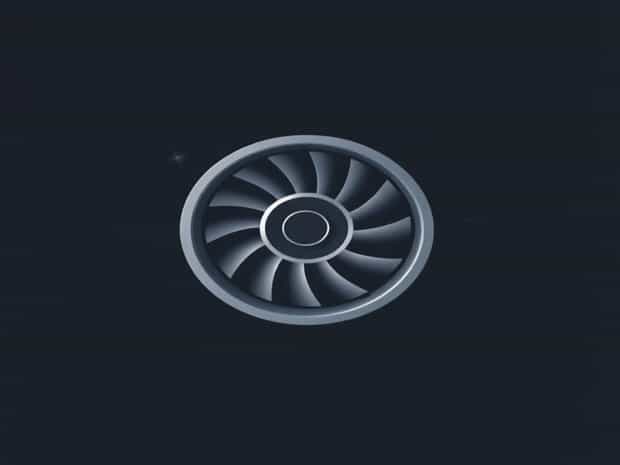
Advantages Of Turbofan Engine
Modern aviation relies heavily on efficient and powerful engines, and the turbofan engine has become the most widely used design in commercial and military aircraft. Unlike older turbojet engines, the turbofan combines thrust from both a jet core and a large fan, making it more versatile and efficient. Understanding the advantages of turbofan engines helps explain why they dominate the skies today, powering everything from passenger airliners to advanced fighter jets.
Basic Design of a Turbofan Engine
A turbofan engine is essentially a gas turbine engine with an additional fan at the front. The large fan pulls in a high volume of air, some of which passes through the core where combustion occurs, while the rest bypasses the core and provides additional thrust. This bypass ratio is a key factor in determining performance and efficiency. Engines with a high bypass ratio are often used in commercial aircraft, while low bypass turbofans are common in military aviation.
Fuel Efficiency Benefits
One of the most significant advantages of a turbofan engine is its superior fuel efficiency compared to older designs like turbojets. By using both the core jet thrust and the bypassed airflow, turbofans reduce the amount of fuel required for the same amount of thrust. This efficiency is critical for airlines seeking to lower operating costs and reduce environmental impact.
Reasons for Higher Efficiency
- The bypass air generates thrust without requiring additional fuel.
- Lower exhaust velocity reduces wasted energy.
- Optimized fan design increases air movement with minimal drag.
Reduced Noise Levels
Noise pollution is a major concern in aviation, especially for airports located near populated areas. Turbofan engines are significantly quieter than turbojets due to their ability to mix bypass air with exhaust gases, reducing the speed of the exiting airflow. The larger fan diameter also helps spread the energy across a greater volume of air, leading to less noise intensity.
Improved Thrust at Subsonic Speeds
Commercial airliners typically operate at subsonic speeds, where turbofan engines excel. The large volume of bypassed air provides high thrust at lower fuel consumption, making them ideal for long-haul flights. This advantage allows airlines to fly farther distances without excessive fuel requirements, supporting global connectivity and affordable air travel.
Environmental Advantages
With increasing attention on aviation’s environmental impact, the advantages of turbofan engines become even more important. Their ability to burn fuel more efficiently means reduced carbon dioxide emissions per passenger mile. Furthermore, technological advancements have improved combustion stability and reduced nitrogen oxide emissions, making turbofan engines a cleaner choice for modern aircraft.
Versatility Across Aircraft Types
Turbofan engines are not limited to one category of aircraft. Their design can be adapted for various needs
- Commercial aircraftHigh-bypass turbofans maximize fuel savings and passenger comfort.
- Military aircraftLow-bypass turbofans balance thrust, speed, and maneuverability.
- Business jetsMedium-bypass turbofans offer efficiency and quieter operation for private aviation.
Durability and Reliability
The engineering of turbofan engines emphasizes long service life and reliability. They are designed to endure thousands of flight hours with minimal maintenance interruptions. Features such as advanced materials, cooling systems, and blade coatings ensure that the engines perform consistently under different operating conditions.
Cost Savings for Airlines
From a business perspective, the advantages of turbofan engines translate into significant cost savings. Fuel represents one of the largest expenses for airlines, and turbofans’ efficiency helps reduce this burden. Additionally, their durability means fewer unscheduled maintenance events, lowering repair costs and minimizing downtime.
Better Passenger Experience
Passengers benefit directly from the performance of turbofan engines. Quieter cabins, smoother operations, and efficient flight times enhance overall travel comfort. Since airlines can save money on operations, they can also reinvest in better services or keep ticket prices more competitive, indirectly benefiting travelers.
Technological Innovations in Turbofan Engines
Over time, turbofan engines have incorporated numerous innovations that continue to expand their advantages
- Geared turbofan systemsImprove fan efficiency by optimizing rotational speeds.
- Composite fan bladesReduce weight while increasing strength.
- Advanced materialsAllow higher operating temperatures, increasing overall efficiency.
- Noise-reducing chevronsImprove airflow mixing to further minimize noise.
Comparison with Turbojet Engines
When comparing turbofans to turbojets, the differences become clear
- Turbofans offer higher fuel efficiency, while turbojets consume more fuel per thrust unit.
- Turbofans are quieter due to bypass airflow, whereas turbojets are much louder.
- Turbofans are better suited for subsonic commercial travel, while turbojets were historically used for supersonic speeds.
Military Advantages
While commercial aviation benefits from high-bypass turbofans, military aircraft take advantage of low-bypass turbofan designs. These engines provide high thrust-to-weight ratios, making them suitable for combat jets that require rapid acceleration, sustained supersonic flight, and enhanced maneuverability. Additionally, afterburner systems can be added to increase thrust when needed.
Challenges and Limitations
Despite the many advantages, turbofan engines also come with certain limitations. They are generally larger and heavier than turbojets, which can be a disadvantage for aircraft that require extreme speed and minimal drag. Maintenance costs for advanced models can also be significant, though these are offset by long-term fuel savings. Nonetheless, ongoing research aims to reduce these drawbacks further.
Future of Turbofan Engines
The future of aviation continues to rely heavily on turbofan technology. With rising fuel costs and growing environmental regulations, the demand for more efficient engines is stronger than ever. Research is focusing on hybrid-electric propulsion, alternative fuels, and even ultra-high bypass designs that could further reduce emissions while maintaining performance.
The advantages of turbofan engines explain why they dominate the skies today. From superior fuel efficiency and reduced noise to versatility across aircraft types and improved environmental performance, turbofans represent a remarkable advancement in aerospace engineering. As technology continues to evolve, these engines will likely become even more efficient, quieter, and environmentally friendly, shaping the future of air travel for decades to come.