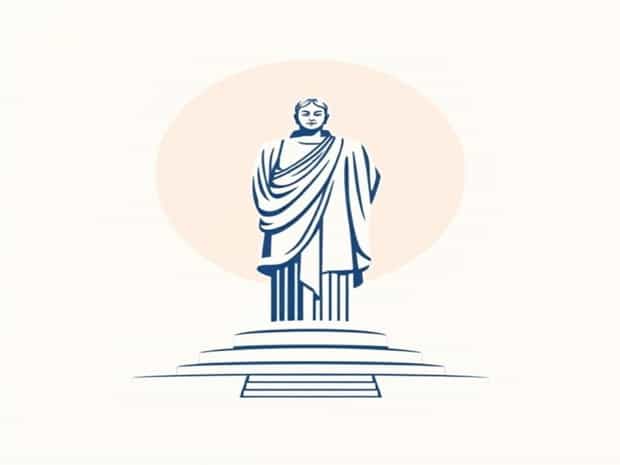
About Statue Of Unity
The Statue of Unity stands as a monumental tribute to Sardar Vallabhbhai Patel, one of India’s most revered leaders and a key figure in the country’s independence movement. Located in the state of Gujarat, this statue not only honors Patel’s pivotal role in unifying the diverse princely states of India but also represents the spirit of national integration and leadership. As the tallest statue in the world, it has become a symbol of pride and achievement for the nation, drawing tourists, historians, and architecture enthusiasts from across the globe. Beyond its sheer size, the statue embodies values such as unity, perseverance, and dedication, reflecting Patel’s enduring legacy in modern India.
Historical Background of the Statue of Unity
Sardar Vallabhbhai Patel, popularly known as the Iron Man of India, played a crucial role in the integration of over 500 princely states into the Indian Union after independence in 1947. His leadership and negotiation skills ensured a smooth transition during a period of potential political turmoil. The idea to commemorate Patel’s contributions through a statue was first proposed to honor his efforts in unifying India and to inspire future generations. The project was initiated by the Government of India with the aim of creating a landmark that would stand as a testament to his vision and dedication.
Design and Construction
The Statue of Unity is an architectural marvel designed by Indian sculptor Ram V. Sutar. Standing at an impressive height of 182 meters, it surpasses the Spring Temple Buddha in China, which previously held the record for the tallest statue in the world. The statue is constructed from a combination of reinforced concrete, steel framing, and bronze cladding, ensuring durability and a lifelike appearance. The design captures Sardar Patel in a walking pose, symbolizing his forward-looking vision and relentless pursuit of national unity.
- Height182 meters (597 feet), making it the tallest statue globally.
- MaterialSteel, reinforced concrete, and bronze cladding.
- LocationNarmada district, Gujarat, near the Sardar Sarovar Dam.
- ArchitectRam V. Sutar, renowned Indian sculptor.
Tourist Attractions Around the Statue
The Statue of Unity is not just a monument but also a comprehensive tourist complex designed to provide an enriching experience. Visitors can explore the surrounding areas, which include gardens, viewing galleries, museums, and cultural centers. The statue’s observation deck offers panoramic views of the Narmada River, Sardar Sarovar Dam, and the surrounding valleys. The site also hosts exhibitions that detail Patel’s life, his role in Indian independence, and the history of the nation’s unification, making it both an educational and visually striking destination.
Additional Features
- Exhibition HallShowcases the life and achievements of Sardar Patel.
- Audio-Visual GalleryProvides an immersive experience on India’s struggle for independence.
- Valley of FlowersLandscaped gardens surrounding the statue, enhancing the visitor experience.
- Viewing GalleryLocated at 153 meters, offering breathtaking views of the region.
Significance and Symbolism
The Statue of Unity symbolizes more than just Patel’s legacy; it represents the unity and resilience of India as a nation. Its construction demonstrates the country’s capability to undertake ambitious engineering projects and serves as a symbol of national pride. The statue also emphasizes the importance of leadership, dedication, and vision in shaping a country’s future. Through this monumental work, Sardar Patel’s ideals continue to inspire citizens and leaders alike, promoting the value of unity in diversity and collective progress.
Economic and Cultural Impact
Since its inauguration, the Statue of Unity has significantly boosted tourism in Gujarat, generating employment opportunities and stimulating local businesses. Hotels, restaurants, transportation services, and souvenir shops have flourished in the vicinity, creating a vibrant economic ecosystem. Culturally, the statue has become a focal point for national celebrations and events, highlighting India’s rich heritage and the contributions of its leaders. Educational institutions often organize trips for students, ensuring that Patel’s story reaches younger generations.
Inauguration and Public Reception
The Statue of Unity was inaugurated on October 31, 2018, coinciding with Sardar Patel’s 143rd birth anniversary. The event was attended by prominent political leaders, dignitaries, and citizens from across India. Public reception has been overwhelmingly positive, with visitors praising both the scale and detail of the statue. Many view it as a source of inspiration, reflecting the values of dedication, determination, and unity that Patel embodied. The monument has quickly become one of India’s most iconic landmarks, attracting attention not only nationally but also internationally.
Challenges During Construction
Constructing a statue of such monumental scale involved numerous engineering and logistical challenges. The team had to ensure structural stability against wind and seismic activity, transport massive bronze panels, and maintain aesthetic precision. Innovative construction techniques and collaboration between engineers, architects, and artisans were crucial to overcoming these challenges, ultimately resulting in a structure that stands as a testament to modern engineering excellence.
Visitor Information
The Statue of Unity is accessible throughout the year, with facilities designed to accommodate tourists of all ages. Entry tickets provide access to the observation deck, exhibition areas, and guided tours. Special arrangements are available for school groups, senior citizens, and differently-abled visitors. Transportation options include buses, ferries, and well-maintained roads, making it convenient for both domestic and international tourists.
- Opening Hours9 AM to 6 PM daily.
- Best Time to VisitEarly morning or late afternoon for cooler temperatures and optimal lighting for photography.
- Nearby AttractionsSardar Sarovar Dam, Valley of Flowers, and local tribal villages.
- Guided ToursAvailable for an enriched learning experience about Sardar Patel and Indian history.
The Statue of Unity stands as a remarkable symbol of India’s history, leadership, and unity. Honoring Sardar Vallabhbhai Patel, it combines impressive engineering, artistic vision, and cultural significance, offering visitors a profound experience of national pride and historical reflection. More than a monumental structure, it represents the ideals of dedication, perseverance, and unity, making it a landmark that inspires generations to come. Its impact on tourism, education, and cultural appreciation underscores its importance as both a national treasure and a global point of interest. For anyone exploring India, the Statue of Unity is a destination that captures the essence of the nation’s past, present, and aspirations for the future.