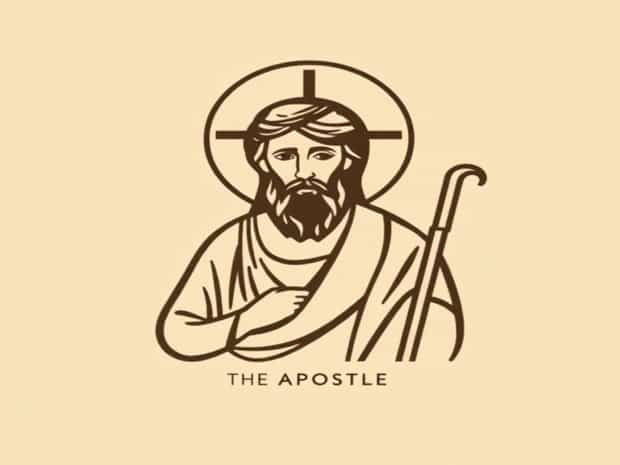
About St Thomas The Apostle
St. Thomas the Apostle is one of the most intriguing figures in Christian history, known for his unwavering faith, his moments of doubt, and his tireless missionary work. Often referred to as Doubting Thomas” due to his initial skepticism about the resurrection of Jesus, Thomas’s life reflects the journey from doubt to profound belief. His story has inspired countless believers over centuries and continues to hold a significant place in the history of the early church. Beyond his famous encounter with the risen Christ, Thomas’s dedication to spreading the Gospel highlights the courage and resilience required to establish faith in distant lands.
Early Life of St. Thomas
St. Thomas, also called Didymus, which means “twin,” was one of the twelve apostles chosen by Jesus Christ. While details about his early life remain scarce, it is believed that he came from Galilee and lived a modest life before being called to follow Jesus. Like the other apostles, Thomas was an ordinary man who left his daily work to embark on a spiritual journey. His life before discipleship reflects the transformative impact of encountering Christ, demonstrating how ordinary individuals can rise to extraordinary spiritual missions.
Thomas as an Apostle
As an apostle, Thomas played a vital role in the ministry of Jesus. He witnessed many of Christ’s miracles, teachings, and significant events, yet he became best known for questioning the resurrection of Jesus. In the Gospel of John, Thomas famously stated that he would not believe in the resurrection until he could see and touch Jesus’ wounds. This moment of doubt is significant because it represents the human struggle with faith and skepticism. When Jesus appeared to Thomas and invited him to touch His wounds, Thomas responded with profound faith, exclaiming, My Lord and my God! This declaration has since symbolized the transformation from doubt to unwavering belief.
Missionary Work and Travels
After the resurrection and ascension of Jesus, Thomas dedicated his life to spreading Christianity. Tradition holds that he traveled extensively, bringing the teachings of Christ to regions far from his homeland. He is especially associated with India, where he is believed to have arrived around 52 AD. There, Thomas established Christian communities, baptized converts, and laid the foundation for what would become the Syro-Malabar Church, one of the oldest Christian communities in Asia. His missionary work reflects not only courage but also a willingness to face challenges, including cultural differences, geographical barriers, and persecution.
Challenges and Martyrdom
St. Thomas faced numerous hardships in his mission. Traveling through unfamiliar territories exposed him to dangers and opposition, yet he persevered in his commitment to spreading the Gospel. Tradition records that Thomas was martyred in India, specifically in Mylapore, present-day Chennai. His death, often described as occurring through spearing, solidified his legacy as a dedicated and fearless apostle. The story of his martyrdom emphasizes the ultimate sacrifice he made for his faith and the enduring power of his spiritual mission.
Legacy and Influence
The legacy of St. Thomas the Apostle is profound and far-reaching. His role in establishing Christianity in India has left a lasting cultural and spiritual impact. Churches, schools, and religious institutions across India honor his name, and the feast day of St. Thomas, celebrated on July 3rd, commemorates his contributions to the faith. Thomas’s story continues to inspire believers worldwide to maintain faith despite doubt, to pursue missionary work with courage, and to embrace the transformative power of encountering Christ.
St. Thomas in Art and Literature
St. Thomas has been depicted in various forms of art, literature, and iconography throughout history. Artists often portray him with a carpenter’s square or spear, referencing his work and martyrdom. His image serves as a reminder of faith, doubt, and perseverance, illustrating the human struggle to believe and the ultimate triumph of conviction. Literature and sermons frequently highlight his declaration of faith after seeing Christ, using it as a teaching moment for believers struggling with uncertainty.
Lessons from St. Thomas the Apostle
Several important lessons can be drawn from the life of St. Thomas. His journey from doubt to faith demonstrates that questioning and seeking understanding are natural parts of spiritual growth. His dedication to missionary work teaches the value of courage and commitment in spreading important beliefs. Additionally, his martyrdom serves as a testament to the strength of conviction and the willingness to sacrifice for higher principles. These lessons continue to resonate with people facing challenges in their spiritual, personal, and professional lives.
Global Recognition and Churches
St. Thomas’s influence extends beyond India. Numerous churches, cathedrals, and communities around the world bear his name, celebrating his contributions to Christianity. Pilgrims travel to sites associated with him, seeking inspiration and spiritual guidance. His story also strengthens interfaith dialogue and highlights the historical spread of Christianity into regions far from its origin, underscoring the universal message of faith and perseverance.
St. Thomas the Apostle remains a remarkable figure in Christian history, exemplifying both human doubt and divine faith. His life offers insight into the transformative power of belief, the courage required for missionary work, and the enduring impact of unwavering devotion. From his initial skepticism to his ultimate martyrdom, Thomas’s journey encourages believers to confront doubt, embrace faith, and dedicate themselves to serving a higher purpose. Celebrating his life reminds us of the profound spiritual legacy he left behind, inspiring generations to live with courage, conviction, and faith in the teachings of Christ.