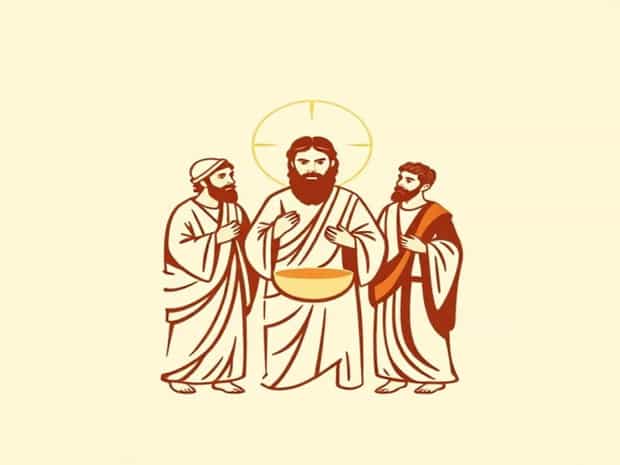
Aaron And His Sons Consecrated
The consecration of Aaron and his sons is a significant event in the Bible, highlighting the sacred process by which God set apart the first high priest and his family for service in the tabernacle. This moment not only established the priesthood but also demonstrated the importance of obedience, ritual purity, and dedication to God’s commands. By consecrating Aaron and his sons, God provided a framework for holiness and spiritual leadership that would guide Israel in worship and covenant faithfulness for generations. Understanding this event reveals both the historical and spiritual dimensions of the priesthood, as well as the lessons it offers for modern believers.
The Biblical Context of Consecration
The consecration of Aaron and his sons took place in the wilderness during the time of Moses, after the Israelites had been delivered from Egypt. God gave detailed instructions through Moses regarding the tabernacle, the priestly garments, and the offerings required for consecration. The purpose of this ceremony was to sanctify Aaron and his sons, separating them from ordinary life and dedicating them to serve as mediators between God and the people of Israel. This process established the foundation for priestly duties and highlighted the holiness required of those who approached God on behalf of others.
Key Elements of Consecration
- Ritual washing to symbolize purification and cleansing from sin
- Clothing Aaron and his sons in sacred garments representing their holy office
- Anointing with holy oil as a sign of divine empowerment and blessing
- Offerings and sacrifices to atone for sin and dedicate them to God
- Seven-day period of ceremonial preparation and instruction
The Role of Aaron as High Priest
Aaron, the brother of Moses, was chosen by God to serve as the first high priest of Israel. His role was critical, as he was responsible for offering sacrifices, leading worship, and interceding for the people before God. By consecrating Aaron, God emphasized the sacred nature of the priesthood and the need for holiness, integrity, and obedience. The anointing with oil marked Aaron as set apart, empowered to perform duties that no ordinary person could undertake, and entrusted with guiding Israel in worship according to God’s commandments.
Duties of the High Priest
- Offering daily and special sacrifices on behalf of the people
- Entering the Holy of Holies once a year on the Day of Atonement
- Teaching the law and guiding spiritual practices within the community
- Blessing the people in the name of God
- Maintaining the sanctity and order of the tabernacle
The Consecration of Aaron’s Sons
Aaron’s sons Nadab, Abihu, Eleazar, and Ithamar were also consecrated to serve as priests under Aaron’s leadership. Their consecration included similar rituals of washing, clothing, anointing, and offerings. By involving his sons, Aaron established a hereditary priesthood, ensuring continuity of spiritual leadership for Israel. This consecration also highlighted the collective responsibility of a family dedicated to God, reinforcing that holiness and obedience were not individual duties alone but shared within a spiritual community.
Responsibilities of Aaron’s Sons
- Assisting in sacrificial offerings and rituals
- Maintaining the tabernacle and its sacred furnishings
- Supporting the high priest in teaching and spiritual guidance
- Serving as role models of holiness and obedience for the people
- Participating in ceremonial duties that reinforced Israel’s covenant relationship with God
The Spiritual Significance of Consecration
Consecration goes beyond a physical ritual; it represents spiritual dedication and separation for God’s purposes. The event of Aaron and his sons being consecrated teaches the importance of approaching God with reverence, purity, and commitment. It also illustrates the principle that spiritual leadership carries both privilege and responsibility, and that holiness is essential for mediating God’s presence to others. For modern believers, this story underscores the value of dedication, obedience, and accountability in serving God faithfully.
Lessons for Modern Faith
- Holiness and dedication are required for spiritual leadership
- Obedience to God’s instructions brings blessing and empowerment
- Spiritual responsibilities are best carried out in community and collaboration
- Rituals and symbols can strengthen understanding of God’s holiness
- Faithfulness in small duties prepares one for greater responsibilities in God’s service
The Seven-Day Consecration Period
God instructed Moses that Aaron and his sons undergo a seven-day consecration period, during which specific offerings and rituals were performed each day. This period served as both instruction and preparation, allowing the priests to learn their duties while demonstrating their commitment. Each day included sacrifices, anointing, and ceremonial acts, emphasizing the seriousness of approaching God and the sanctity required for the priesthood.
Importance of the Seven-Day Preparation
- Time for spiritual reflection and purification
- Learning and internalizing the responsibilities of priesthood
- Reinforcing the sacredness of the tabernacle and its rituals
- Establishing a clear separation from ordinary life and worldly distractions
- Demonstrating obedience and readiness to serve God faithfully
The Legacy of Aaron and His Sons
The consecration of Aaron and his sons laid the foundation for the priesthood throughout Israel’s history. It set a precedent for how spiritual leaders are prepared, consecrated, and empowered to serve God and the community. Their dedication and obedience serve as enduring examples of holiness, faithfulness, and the responsibilities associated with spiritual leadership. The lessons from their consecration remain relevant today for anyone seeking to serve God with commitment and integrity.
Enduring Lessons
- Spiritual leadership requires preparation, dedication, and consecration
- Holiness and obedience are central to serving God effectively
- Faithful service has lasting impact on the community and future generations
- Rituals and ceremonies provide structure and meaning in spiritual life
- Commitment to God’s instructions brings empowerment and blessing
The consecration of Aaron and his sons demonstrates the profound importance of holiness, obedience, and spiritual dedication. By setting Aaron and his family apart for service, God established a pattern for priestly leadership and highlighted the need for reverence in approaching Him. Their consecration illustrates the responsibility that comes with spiritual authority, the need for preparation and dedication, and the enduring impact of faithful service. Reflecting on this biblical event encourages believers to pursue holiness, obedience, and commitment in their own spiritual journeys, following the example set by Aaron and his sons.