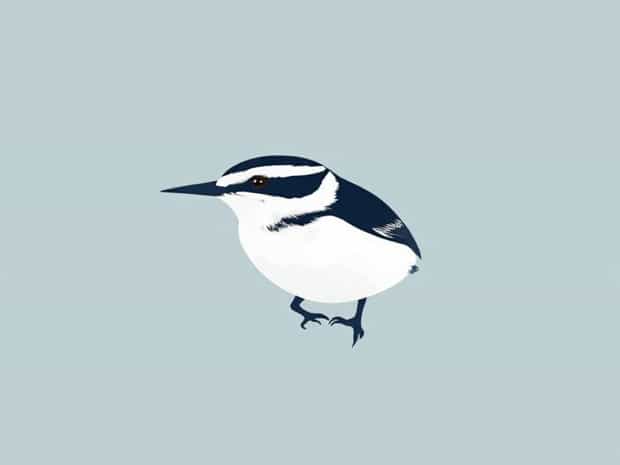
A White Breasted Nuthatch
The white breasted nuthatch is a small but striking bird that captures the attention of birdwatchers with its bold behavior and unique way of moving. Unlike many other birds that hop or fly between branches, this species is often seen climbing headfirst down tree trunks, a movement that makes it instantly recognizable. Its crisp black, white, and gray plumage gives it a clean appearance, and its nasal calls echo through forests and backyards alike. Found widely across North America, the white breasted nuthatch has become a familiar sight at feeders, particularly during colder months when food sources are scarce. Observing its feeding habits, nesting behavior, and seasonal patterns provides fascinating insight into how this resourceful bird thrives in varied habitats.
Physical Characteristics of the White Breasted Nuthatch
The white breasted nuthatch is known for its compact body, short tail, and strong bill. Adults typically measure about 5 to 6 inches in length with a wingspan ranging from 8 to 10 inches. They weigh less than an ounce, yet they exhibit remarkable agility and strength when navigating tree trunks and branches.
Plumage and Coloring
The plumage is a combination of soft blue-gray on the back, a striking white face and breast, and a black or dark gray cap on the head. The underparts may show a faint chestnut or rusty tinge near the lower belly, particularly in certain regional populations. Males generally display slightly darker caps compared to females, but both sexes share the same overall pattern that helps them blend into woodland environments while remaining easy to identify.
Behavior and Feeding Habits
One of the most distinctive traits of the white breasted nuthatch is its foraging technique. Unlike woodpeckers that drill into bark, nuthatches use their strong bills to probe into crevices for insects and seeds. They are often spotted climbing downward along tree trunks, a behavior that allows them to search for food overlooked by other birds that move in the opposite direction.
Diet in Different Seasons
- Spring and SummerThe diet consists primarily of insects, beetles, ants, caterpillars, and spiders. This protein-rich food supports breeding and raising young chicks.
- FallSeeds, nuts, and acorns become more prominent as insects decline. The birds are known to wedge seeds into bark and hammer them open with their beaks.
- WinterThey often rely heavily on seeds and suet provided at feeders, showing up frequently in backyards where bird lovers supply sunflower seeds, peanuts, and suet cakes.
Food Caching Behavior
The white breasted nuthatch also demonstrates caching behavior, meaning it stores food in hidden crevices for later consumption. This survival strategy is crucial during harsh winters when resources are scarce. The bird remembers many of these hiding spots, showcasing its intelligence and adaptability.
Vocalizations and Communication
This nuthatch has a distinctive voice that sets it apart from other birds in the forest. Its call is often described as a nasal yank-yank sound, repeated several times in succession. These calls serve various purposes, including establishing territory, attracting mates, and warning of potential predators. Birdwatchers often locate the bird by listening for these clear, repetitive notes echoing through wooded areas.
Habitat and Range
The white breasted nuthatch is found throughout much of North America. Its range stretches from southern Canada to parts of Mexico. It inhabits deciduous forests, mixed woodlands, parks, and suburban areas with mature trees. Unlike some migratory species, the white breasted nuthatch is mostly a year-round resident, though it may move locally in response to food availability.
Adaptability to Human Environments
One reason for its widespread success is its ability to adapt to human presence. Bird feeders, ornamental trees, and wooded neighborhoods provide suitable food and shelter. This adaptability has helped the species remain stable, even as natural habitats are altered or fragmented.
Nesting and Breeding Behavior
The breeding season typically begins in early spring. White breasted nuthatches are cavity nesters, preferring natural tree cavities or abandoned woodpecker holes. They may also accept nest boxes if placed in suitable locations.
Nest Construction
The female takes the lead in building the nest, lining the cavity with materials such as bark, feathers, and grasses. Both parents participate in raising the young, with the male providing food while the female incubates the eggs.
Eggs and Development
The clutch usually consists of 5 to 9 eggs, which are white with reddish or brown speckles. Incubation lasts about two weeks, and once the chicks hatch, both parents work tirelessly to feed them insects. The young typically fledge around 25 days after hatching, but they may continue to rely on their parents for guidance and food for a short time afterward.
Role in Ecosystems
The white breasted nuthatch plays an important role in forest ecosystems. By consuming large quantities of insects, it helps control pest populations that might otherwise damage trees. Its habit of caching seeds also contributes to forest regeneration, as not all stored seeds are retrieved, allowing some to germinate and grow into new trees.
Differences from Other Nuthatches
North America is home to several nuthatch species, and while they share similarities, each has unique characteristics. The white breasted nuthatch is the largest of the nuthatches in North America. It can be distinguished from the red breasted nuthatch by its larger size, white breast, and less colorful plumage. The pygmy nuthatch and brown headed nuthatch, found in different regions, are smaller and have distinct calls.
Observing the White Breasted Nuthatch
For birdwatchers, spotting this bird is often rewarding because of its entertaining behavior. Watching it move headfirst down a tree trunk or hammer open a sunflower seed shows its creativity and energy. Backyard feeders provide an excellent opportunity to observe them up close, particularly in winter when natural food supplies are limited.
Tips for Attracting Nuthatches
- Offer black oil sunflower seeds, peanuts, and suet in feeders.
- Plant or maintain mature deciduous trees that provide natural foraging and nesting sites.
- Install birdhouses designed for cavity nesters in quiet areas of the yard.
Conservation Status
The white breasted nuthatch is currently considered a species of least concern, meaning it faces no major threats to its overall population. Habitat loss due to deforestation can impact local populations, but its adaptability has helped maintain stability. Ongoing conservation of forests and green spaces ensures that this bird continues to thrive across its range.
The white breasted nuthatch is more than just a charming bird at the feeder. It is a vital part of woodland ecosystems, a symbol of adaptability, and a delight for bird enthusiasts. Its unique feeding behavior, distinctive calls, and bold personality make it stand out among North American birds. Whether spotted in deep forests or suburban backyards, the white breasted nuthatch reminds us of the richness and variety of avian life that thrives around us. Observing and appreciating this bird deepens our connection to nature and highlights the importance of protecting habitats where species like this can continue to flourish.
Word count ~1015