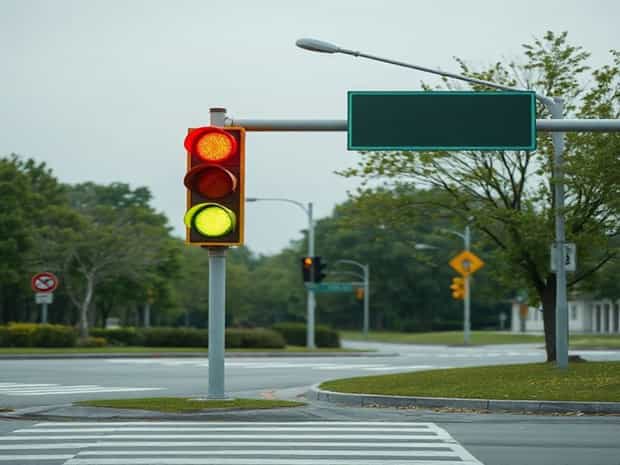
A Steady Yellow Light At An Intersection Means
Traffic lights are essential tools for managing road safety, guiding drivers, cyclists, and pedestrians through busy intersections. One of the most important signals is the yellow light, which often causes confusion among drivers. Understanding what a steady yellow light at an intersection means can prevent accidents, reduce traffic congestion, and promote smoother driving experiences. Many people recognize the green and red lights immediately, but the yellow light requires careful attention because it communicates critical information about the upcoming change in traffic flow.
Understanding the Yellow Light
The yellow light, also known as amber in some regions, serves as a transitional signal between the green and red lights. While green indicates go and red signals stop, the yellow light provides a warning that the light is about to change. A steady yellow light at an intersection means that drivers should prepare to stop safely if it is possible to do so before entering the intersection. It is not meant as an encouragement to speed up or rush through the intersection.
Legal Implications of a Steady Yellow Light
Traffic laws regarding yellow lights vary slightly by country or state, but the fundamental principle remains the same. When a driver sees a steady yellow light, it legally requires them to stop if they can do so safely. Failing to comply with this rule may lead to traffic violations, fines, or points on a driver’s license. It is important to remember that the yellow light is a preventive measure designed to avoid collisions that might occur if someone tries to cross an intersection as the light turns red.
Driving Behavior at a Yellow Light
Approaching a steady yellow light requires careful judgment. Drivers should assess their speed, distance from the intersection, and road conditions. If stopping safely is possible without abrupt braking, it is recommended to do so. However, if a driver is too close to the intersection when the yellow light appears, continuing through the intersection may be safer than attempting a sudden stop, which could cause rear-end collisions.
Common Misconceptions
- Some drivers mistakenly believe that a yellow light means they must speed up to beat the red light. This behavior increases the risk of accidents and is discouraged by traffic authorities.
- Others assume that a yellow light gives unlimited time to cross the intersection. In reality, the yellow light usually lasts only a few seconds, depending on the speed limit and traffic conditions at that intersection.
Pedestrian and Cyclist Considerations
A steady yellow light at an intersection is also a warning for pedestrians and cyclists. Pedestrians should avoid beginning to cross the street once the yellow light is on, as the light will soon turn red, giving vehicles the right of way in the next cycle. Cyclists, like drivers, must judge whether they can safely stop before the intersection or proceed cautiously. Understanding the yellow light’s purpose enhances overall safety for all road users.
Yellow Light Timing and Intersection Safety
The duration of a yellow light is carefully calculated based on the intersection’s speed limit, the width of the road, and traffic flow patterns. A longer yellow light provides more reaction time for drivers, while a shorter duration can cause confusion and increase the likelihood of accidents. Traffic engineers design yellow light timing to balance efficiency with safety, ensuring that vehicles can respond appropriately without creating unnecessary congestion.
Strategies for Safer Driving at Yellow Lights
Following some basic strategies can improve safety when approaching a steady yellow light
- Maintain a safe distance from the car in front to allow smooth braking.
- Reduce speed gradually when the light turns yellow rather than stopping abruptly.
- Observe the intersection and surrounding traffic conditions to anticipate potential hazards.
- Avoid distractions such as mobile devices while approaching intersections.
- Prepare to yield to pedestrians or cyclists if necessary.
Technological Advancements and Yellow Lights
Modern traffic management systems often include countdown timers, sensors, and adaptive signal controls to improve the effectiveness of yellow lights. Some intersections use flashing yellow signals or pedestrian countdowns to provide clearer guidance on when drivers and pedestrians should proceed or stop. These technologies help reduce confusion and increase compliance with traffic rules.
Impact on Traffic Flow
A properly understood and respected yellow light contributes significantly to smoother traffic flow. By signaling drivers to prepare to stop, it reduces sudden braking, rear-end collisions, and erratic lane changes. When drivers obey the steady yellow light rules, intersections function more predictably, minimizing congestion and enhancing overall road safety. Public awareness campaigns often emphasize the importance of recognizing and correctly responding to yellow lights to improve compliance and prevent accidents.
A steady yellow light at an intersection serves as a critical warning signal, indicating that the light is about to change from green to red. It communicates the need for drivers, cyclists, and pedestrians to make careful decisions about stopping or proceeding. Understanding its purpose, observing traffic laws, and practicing safe driving behaviors can prevent accidents and contribute to safer, more efficient intersections. Respecting the yellow light is not just about avoiding fines; it is about protecting lives and maintaining orderly traffic flow on busy roads.