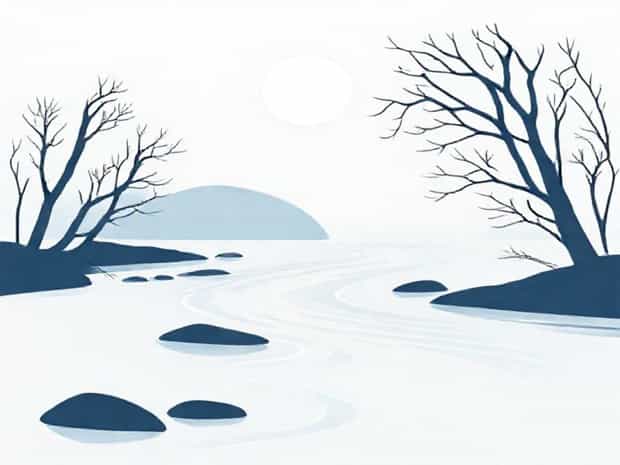
A River Makes Ceaseless Music
A river makes ceaseless music, a melody created not by instruments but by the very flow of water over stones, through reeds, and along winding banks. Its sound is constant yet ever-changing, a symphony composed by nature itself. As water moves, it whispers secrets, crashes over obstacles, and hums a gentle rhythm that can soothe the mind or inspire contemplation. From the soft murmur of a narrow stream to the powerful roar of a wide river, each current produces a unique composition, reminding us that music exists not only in human creation but in the natural world surrounding us.
The Natural Orchestra of Flowing Water
Rivers produce sound through interaction with their environment. Stones, pebbles, and fallen branches shape the music, while bends and drops alter tempo and volume. A shallow river running over a gravel bed might create a soft, tinkling tune, while a river cascading down a waterfall generates a dramatic, resounding roar. This natural orchestra is ceaseless, adapting to changes in the environment and reflecting the dynamic nature of life itself. Every bend, every ripple, contributes to the continuous and evolving symphony of the river.
Elements That Influence the Music
- Riverbed CompositionRocky beds produce a sharp, clattering sound, while sandy or muddy beds offer softer, muted tones.
- Water VolumeHeavy rainfall or melting snow increases flow, intensifying the river’s voice and creating louder, more forceful sounds.
- ObstructionsFallen trees, branches, and aquatic plants divert currents, producing splashes, gurgles, and bubbling effects.
- GradientSteep gradients create faster flows and energetic sounds, while gentle slopes yield calm, steady murmurs.
The Emotional Resonance of a River’s Music
Listening to a river can evoke deep emotions, from tranquility to awe. Its ceaseless music has been appreciated by humans for centuries, inspiring poetry, meditation, and reflection. The soothing rhythm of flowing water can relieve stress, while the dramatic roar of rapids can spark excitement and wonder. Many writers and philosophers have noted how rivers teach lessons about persistence and change, their continuous movement reflecting the flow of life itself. A river’s music is not just sound; it is an emotional experience, connecting listeners to the natural world in a profound way.
Poetic Interpretations
In literature, rivers often symbolize the passage of time, resilience, and continuity. The ceaseless music of a river represents life’s enduring rhythm, its ups and downs mirrored in human experiences. Poets use the metaphor of flowing water to describe emotions, journeys, and the inexorable movement of time. The auditory imagery of rivers adds depth to literary works, making readers feel the motion and hear the subtle sounds that nature creates. Even a quiet stream can convey powerful ideas about patience, persistence, and harmony.
Scientific Perspectives on River Sounds
From a scientific standpoint, a river’s music is the result of fluid dynamics and acoustics. As water flows over obstacles, turbulence is created, producing vibrations that propagate as sound waves. The texture of the riverbed, the shape of the channel, and water speed all influence the characteristics of the sound. Researchers study these patterns to understand environmental changes, monitor river health, and even predict natural events like floods. The music of rivers is thus both an aesthetic and a scientific phenomenon, offering insights into the balance of ecosystems and the flow of energy through nature.
Hydrology and Acoustic Studies
- Flow Rate AnalysisThe speed and volume of water affect pitch and volume, creating dynamic acoustic signatures.
- Riverbed MappingAcoustic patterns help identify underwater structures and sediment types.
- Environmental MonitoringChanges in river sounds can indicate pollution, erosion, or habitat disturbances.
Rivers as Sources of Inspiration
Artists, musicians, and writers have long drawn inspiration from the ceaseless music of rivers. Painters attempt to capture the fluid motion in visual form, while musicians replicate or incorporate natural water sounds into compositions. A river’s melody is inherently rhythmic and varied, offering motifs that can be adapted into art, music, or dance. The unpredictability of water flow ensures that no two moments are alike, making rivers an endless source of creativity. The interplay between human imagination and natural sounds enriches cultural expression and deepens our connection to the environment.
Recreational and Meditative Uses
Many people seek rivers for relaxation, meditation, or reflection. The sound of flowing water aids mindfulness and encourages focus, creating a natural form of therapy. Yoga practitioners, hikers, and campers often choose riverside locations to benefit from this auditory environment. The ceaseless music of rivers enhances outdoor experiences, providing a sensory backdrop that is both calming and invigorating. It reminds listeners of the power and beauty of nature, fostering a sense of peace and well-being.
Environmental Importance of Rivers
Beyond their musical qualities, rivers play a vital role in sustaining ecosystems. They provide habitats for fish, amphibians, and countless other species, while also supporting vegetation along their banks. The sound of a river often reflects the health of its environment; clear, unpolluted rivers produce crisp, vibrant sounds, while degraded waterways may generate duller, less harmonious music. Protecting rivers ensures the continuation of their ecological functions and preserves the natural symphony that has inspired generations.
Conservation and Awareness
Recognizing the beauty and significance of river sounds encourages conservation efforts. Environmental organizations and communities work to prevent pollution, manage water resources, and protect riverine habitats. Listening to a river’s ceaseless music can deepen appreciation for natural environments and motivate actions that sustain these landscapes for future generations. Awareness of the auditory qualities of rivers adds another dimension to conservation, blending sensory experience with ecological responsibility.
A river makes ceaseless music that transcends mere sound, connecting listeners to nature, history, and human emotion. Its flowing melodies inspire art, literature, and reflection, while providing insights into the health of ecosystems. The music of rivers is constant, dynamic, and endlessly varied, offering both aesthetic pleasure and scientific interest. By paying attention to the subtle symphony of water over stones, through reeds, and along winding banks, we gain a deeper understanding of the world around us and the ceaseless rhythms of life itself.