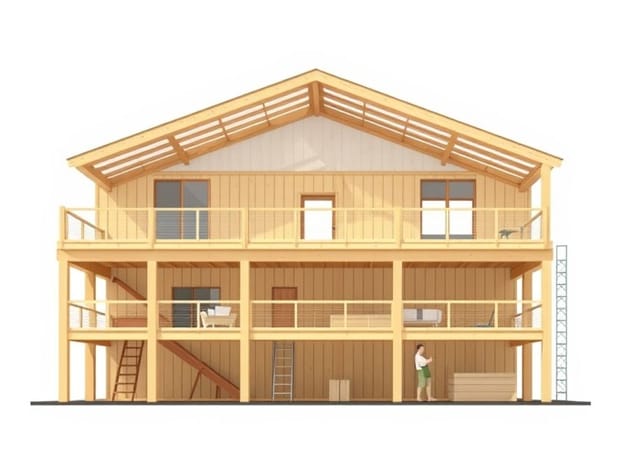
Examples Of Prefabrication In Construction
In modern construction, prefabrication has become a widely adopted method that saves both time and cost while ensuring higher quality and consistency. This approach involves producing building components in a controlled factory environment before transporting them to the construction site for assembly. Instead of relying solely on traditional on-site building techniques, prefabrication allows architects, engineers, and contractors to streamline processes and minimize delays caused by weather or labor shortages. With its rising popularity, there are many notable examples of prefabrication in construction that demonstrate how versatile and effective this method can be for residential, commercial, and industrial projects.
Understanding Prefabrication in Construction
Prefabrication in construction refers to the practice of manufacturing structural elements or entire units off-site, then transporting and installing them on the project location. This process helps improve efficiency and reduce waste, as factories can optimize material use and maintain consistent quality. It also allows for faster project delivery since multiple components can be prepared simultaneously while site preparation is ongoing.
Examples of Prefabrication in Construction
Modular Homes
One of the most well-known examples of prefabrication in construction is modular housing. Modular homes are built in factory settings where different modules, such as bedrooms, kitchens, and bathrooms, are constructed separately. These modules are then transported and assembled on-site. This method is faster than conventional construction and ensures consistent quality. In addition, modular homes often come with better insulation and energy efficiency compared to traditional builds.
Precast Concrete Components
Precast concrete is another widely used prefabricated construction element. Walls, beams, slabs, and columns can be produced in a controlled environment before being transported to the site. Precast elements are durable, resistant to weather conditions, and reduce the time needed for on-site curing. Large infrastructure projects such as bridges, tunnels, and parking structures often rely heavily on precast concrete due to its strength and quick installation benefits.
Prefabricated Steel Structures
Steel is a critical material in modern construction, and prefabricated steel components are commonly used in warehouses, stadiums, and high-rise buildings. Prefabrication allows steel beams, frames, and trusses to be cut, welded, and shaped in factories with precise measurements. This reduces errors during installation and ensures the structural integrity of large projects. Prefabricated steel is especially useful for projects requiring high load-bearing capacity and long spans.
Bathroom Pods
Bathroom pods are complete bathroom units prefabricated off-site and then installed as a whole in residential or commercial buildings. They are commonly used in hotels, hospitals, and student housing where multiple identical bathrooms are required. By manufacturing bathrooms in factories, developers save significant time while also ensuring consistent plumbing, tiling, and finishing quality. This prefabrication method also reduces disruption on-site, making it ideal for fast-paced construction schedules.
Prefabricated Wall Panels
Wall panels, whether made from wood, concrete, or structural insulated panels (SIPs), are often prefabricated to speed up construction. These panels include framing, insulation, and even exterior finishes, making them quick to install. Prefabricated wall panels are popular in residential and light commercial projects because they allow for quick assembly and reduce weather-related delays on-site.
Roof Trusses
Roof trusses are another example of prefabrication that saves considerable time in construction. Instead of constructing roofs piece by piece on-site, trusses are manufactured in factories and transported ready for installation. They provide better accuracy, reduce waste, and are more structurally sound compared to traditional methods. Roof trusses are widely used in housing developments and commercial structures alike.
Prefabricated Bridges
Bridges can also benefit from prefabrication, especially in cases where rapid installation is necessary to minimize disruption. Prefabricated bridge segments are built in factories and assembled on-site using cranes. This method reduces construction time and improves worker safety by limiting exposure to dangerous environments. Prefabricated bridges are often used in highway and railway projects where speed and efficiency are critical.
Facade Systems
Modern buildings often use prefabricated facade systems, such as glass panels, curtain walls, or cladding materials. These facade elements are built in controlled environments, ensuring precision and consistency in design. They are then transported and installed on the building framework. Prefabricated facades enhance aesthetics while maintaining high standards of energy efficiency and weather resistance.
Advantages of Using Prefabricated Construction Components
While the focus here is on examples of prefabrication in construction, it is worth noting the advantages that make these methods appealing
- Reduced construction time due to simultaneous off-site and on-site work
- Consistent quality control from factory production
- Lower labor costs and reduced reliance on skilled workers on-site
- Minimized environmental impact through reduced waste
- Improved safety by limiting on-site construction risks
Challenges of Prefabrication
Despite its many benefits, prefabrication is not without challenges. Transportation of large components can be costly and logistically difficult. Design flexibility may also be limited since prefabricated elements often follow standardized dimensions. In addition, local regulations and site conditions can sometimes restrict the use of certain prefabricated methods.
Future of Prefabrication in Construction
As technology advances, prefabrication is expected to become an even more integral part of construction. Innovations such as 3D printing of building components, smart modular designs, and sustainable prefabricated materials are likely to shape the future of the industry. With growing demand for faster, more efficient, and eco-friendly construction, prefabrication will continue to expand into new areas of residential, commercial, and industrial building projects.
examples of prefabrication in construction demonstrate how the industry is evolving toward efficiency, sustainability, and innovation. From modular homes and bathroom pods to precast concrete and prefabricated bridges, these methods are transforming how buildings and infrastructure are designed and delivered. With its proven advantages, prefabrication will remain a vital part of construction practices in the years to come.