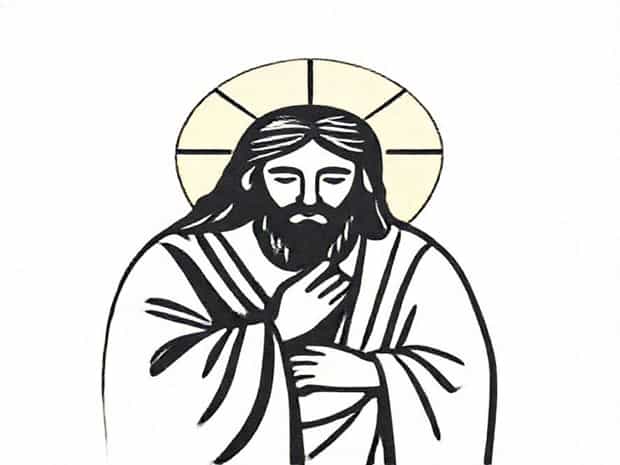
Jesus Disciple Doubting Thomas
Thomas, one of the twelve disciples of Jesus, is often remembered as Doubting Thomas because of his initial skepticism about Jesus’ resurrection. His story, however, provides profound insight into faith, human doubt, and the transformative power of encountering Christ personally. Thomas’ journey from doubt to belief illustrates the struggles many people face in their spiritual lives and highlights the compassionate and patient nature of Jesus. Exploring Thomas’ life and his experiences as a disciple offers lessons on trust, perseverance, and the importance of personal encounter with the divine.
The Life of Thomas
Thomas, also called Didymus, which means twin, was one of the twelve apostles chosen by Jesus to follow Him and spread His teachings. The Gospels indicate that Thomas was a loyal and devoted follower, willing to accompany Jesus even to dangerous situations. He appears in several key moments in the New Testament, including the raising of Lazarus, where he encouraged the other disciples to accompany Jesus even when it meant facing potential harm. His courage and practical nature reveal that Thomas was not merely skeptical but also deeply committed to understanding and supporting Jesus’ mission.
Thomas’ Skepticism
The most famous moment in Thomas’ life as a disciple occurs after the resurrection of Jesus. When other disciples told him that Jesus had risen from the dead, Thomas initially refused to believe them, saying he would not believe unless he saw and touched Jesus’ wounds himself. This moment of doubt, recorded in John 2024-29, has earned him the title of Doubting Thomas. However, his doubt was not born of disbelief in Jesus’ teachings but from a desire for tangible proof, reflecting a very human need for assurance in extraordinary circumstances.
The Encounter with the Risen Christ
Thomas’ doubt provided an opportunity for a profound encounter with the risen Jesus. When Jesus appeared to the disciples a week later, He invited Thomas to touch His wounds and see for himself. This personal encounter led Thomas to a powerful declaration of faith, saying, My Lord and my God! This moment is significant because it demonstrates that Jesus responds to honest questions and doubts with patience and understanding. Thomas’ story illustrates that doubt is not the opposite of faith but can be a pathway to deeper understanding and commitment.
Lessons from Doubting Thomas
Thomas’ journey from doubt to belief offers several lessons for believers today. First, it shows that honest questions and uncertainty are natural in the process of faith. Second, it highlights the importance of seeking personal experience with God rather than relying solely on secondhand reports. Finally, Thomas’ ultimate declaration of Jesus as Lord emphasizes that personal encounter with Christ transforms doubt into unwavering faith. These lessons make Thomas a relatable figure for anyone navigating periods of spiritual uncertainty or seeking deeper connection with God.
Thomas’ Role as a Witness
After his encounter with the risen Christ, Thomas became a powerful witness of the resurrection and the message of Jesus. According to church tradition, he traveled far to spread the gospel, reaching regions such as India, where he is believed to have established Christian communities. His transformation from a doubter to a bold proclaimer of faith demonstrates the redemptive power of encountering Jesus personally. Thomas’ ministry underscores the idea that faith deepened through challenges and personal experiences can inspire others and create lasting spiritual impact.
Faith and Human Doubt
Thomas’ story illustrates a key principle in Christian teaching human doubt is not shameful but can lead to a deeper and more authentic faith. His example reassures believers that questioning and seeking evidence can coexist with devotion to God. By confronting his doubts honestly and seeking direct encounter with Christ, Thomas demonstrates that faith grows through engagement, reflection, and willingness to confront uncertainty. His story encourages believers to approach their own doubts with courage and openness, trusting that God will meet them in their search for understanding.
Theological Significance
The encounter between Jesus and Thomas has important theological implications. It emphasizes the reality of the resurrection as a tangible, historical event while also highlighting the personal nature of faith. Thomas’ declaration, My Lord and my God, is one of the clearest affirmations of Jesus’ divinity in the New Testament. This moment bridges human doubt with divine revelation, showing that encountering Christ personally can turn skepticism into profound spiritual insight. It also reinforces the principle that faith is strengthened through experience and reflection rather than blind acceptance.
Thomas as a Model for Believers
Thomas serves as a model for believers struggling with doubt or uncertainty. He demonstrates that questioning and seeking evidence are not signs of weakness but opportunities for growth. His story encourages believers to pursue personal encounters with God, engage with scripture thoughtfully, and trust in the guidance of the Holy Spirit. Thomas’ journey from doubt to declaration exemplifies how faith can mature through honest inquiry, personal experience, and divine revelation, offering hope and inspiration for anyone on a spiritual journey.
- Honest DoubtThomas’ skepticism is relatable and reflects a natural part of faith development.
- Personal EncounterDirect experience with Christ transforms doubt into unwavering belief.
- Bold WitnessThomas’ ministry after his encounter shows the impact of faith strengthened through doubt.
- Theological InsightHis story highlights the reality of the resurrection and affirms Jesus’ divinity.
Legacy of Thomas
Thomas’ legacy extends beyond the biblical text. He is venerated in various Christian traditions, particularly in the Eastern and Catholic churches. His journey encourages believers to embrace both their doubts and their faith journeys. The communities he is believed to have established, particularly in India, continue to honor his memory and teachings, emphasizing the global reach and enduring influence of his witness. Thomas remains a symbol of faith, honesty, and perseverance, demonstrating that doubt can become a gateway to a deeper and more authentic relationship with God.
Jesus’ disciple Thomas, often called Doubting Thomas, represents the intersection of human doubt and divine revelation. His initial skepticism, followed by personal encounter with the risen Christ, illustrates the transformative power of faith nurtured through honesty and experience. Thomas’ story provides valuable lessons for believers today, showing that doubts can lead to deeper understanding and stronger faith. His life, ministry, and declaration of Jesus as Lord offer inspiration for all who seek to navigate the complexities of belief, demonstrating that encountering Christ personally can illuminate the path from doubt to unwavering devotion.