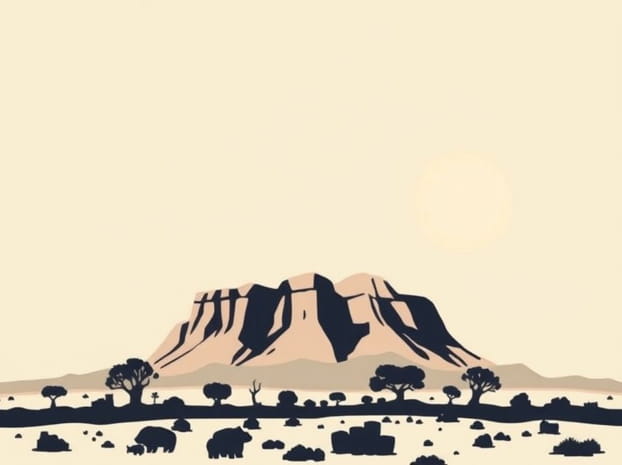
Eastern Transvaal South Africa
The Eastern Transvaal region of South Africa, now largely part of Mpumalanga Province, is a land of breathtaking landscapes, rich cultural heritage, and abundant wildlife. This area is renowned for its dramatic escarpments, rolling plains, and scenic rivers, attracting tourists, nature enthusiasts, and adventurers from around the world. Eastern Transvaal is historically significant, hosting ancient settlements, colonial-era landmarks, and evidence of early human activity. The region’s diverse ecosystems support a wide range of flora and fauna, making it a key destination for conservation, safari tourism, and eco-friendly travel. Understanding Eastern Transvaal involves exploring its geography, climate, cultural history, and recreational opportunities.
Geography and Landscape
Eastern Transvaal is characterized by a varied landscape that includes highveld grasslands, escarpments, river valleys, and lowland bushveld. The Drakensberg Mountains and the associated escarpment dominate the western part of the region, creating spectacular cliffs and waterfalls. To the east, the terrain transitions into savanna plains that support large herds of wildlife. Rivers such as the Olifants, Crocodile, and Sabie traverse the region, providing water for agriculture, wildlife, and human settlements. The area’s natural beauty and diversity make it a popular destination for photographers, hikers, and nature lovers.
Climate and Seasons
The climate in Eastern Transvaal varies depending on elevation and geography. The highveld experiences cooler temperatures and receives summer rainfall, while the lowveld areas are warmer with higher humidity. Summers, from November to March, are warm and wet, supporting lush vegetation and vibrant wildlife activity. Winters, from May to August, are cooler and drier, with clear skies and mild temperatures that make outdoor activities enjoyable. This seasonal variation influences agricultural practices, tourism patterns, and the behavior of native animals.
Wildlife and Nature Reserves
Eastern Transvaal is home to some of South Africa’s most famous wildlife reserves, including parts of the Kruger National Park, which extends into this region. The area supports the Big Five lion, elephant, buffalo, leopard, and rhinoceros along with numerous antelope species, birds, and reptiles. Nature reserves and private game farms provide opportunities for safari experiences, birdwatching, and ecological research. Conservation efforts in the region aim to preserve habitats, prevent poaching, and maintain biodiversity.
Popular Parks and Game Reserves
- Kruger National Park A world-renowned reserve that offers guided safaris, self-drive tours, and wildlife photography.
- Mbombela (Nelspruit) Nature Reserves Protects unique grassland and river ecosystems.
- Blyde River Canyon Nature Reserve Famous for its deep canyons, waterfalls, and panoramic viewpoints.
- Private Game Farms Offer luxury safari experiences and promote eco-tourism.
Cultural Heritage and History
Eastern Transvaal has a rich cultural and historical background, with influences from indigenous communities, colonial settlers, and the mineral discoveries that shaped the region’s economy. Ancient rock art sites, especially those of the San people, provide insight into early human life and artistic expression. Colonial towns like Lydenburg and Barberton reflect the history of mining, trade, and settlement in the 19th century. The cultural diversity of the region is evident in traditional crafts, music, dance, and festivals that celebrate both indigenous and colonial heritage.
Indigenous Communities
The area has long been inhabited by indigenous groups, including the Swazi, Ndebele, and Tsonga peoples. These communities maintain traditional practices in art, storytelling, and communal living. Visitors can experience cultural villages, participate in workshops, and learn about local traditions, agriculture, and cuisine. The preservation of indigenous culture alongside modern development is an important aspect of the region’s identity.
Tourism and Recreation
Tourism is a major economic driver in Eastern Transvaal, supported by its natural beauty, wildlife, and cultural heritage. Activities range from wildlife safaris and birdwatching to hiking, river rafting, and hot air ballooning. Scenic routes, such as the Panorama Route, offer breathtaking views of cliffs, waterfalls, and valleys, attracting photographers and adventure seekers. The region also has luxury lodges, eco-friendly resorts, and camping sites that cater to diverse visitor preferences. Recreational opportunities extend beyond sightseeing to include educational programs, nature walks, and guided excursions.
Adventure and Outdoor Activities
- Hiking and trekking along escarpments and mountain trails.
- Birdwatching in wetland and savanna areas.
- Rafting and kayaking in rivers like the Sabie and Olifants.
- Hot air balloon rides over scenic landscapes.
- Guided safari tours in national parks and private reserves.
Economy and Agriculture
The economy of Eastern Transvaal is diverse, relying on tourism, agriculture, and mining. Fertile valleys support the cultivation of citrus, tropical fruits, and subtropical crops. Forestry is also an important sector, particularly in highveld areas. Mining has historically contributed to regional development, with gold and other minerals extracted during the colonial era. Tourism-related services, including accommodation, guided tours, and conservation projects, provide employment and support local communities. Sustainable practices are increasingly emphasized to balance economic development with environmental preservation.
Infrastructure and Accessibility
Eastern Transvaal is accessible via road, rail, and air. Major highways connect towns and cities, while regional airports facilitate domestic travel. Nelspruit (Mbombela) serves as a key gateway for visitors heading to Kruger National Park and surrounding attractions. Infrastructure development has improved access to remote reserves and scenic areas, enhancing tourism and trade while preserving the natural and cultural character of the region.
Environmental Conservation
Conservation is a critical concern in Eastern Transvaal, given the ecological richness and vulnerability of its landscapes. National parks, private reserves, and community projects work together to protect wildlife, restore habitats, and educate the public. Anti-poaching initiatives and sustainable tourism practices are implemented to ensure that biodiversity is maintained. Wetlands, forests, and river ecosystems are carefully managed to balance human activity with ecological needs, making the region a model for conservation-minded tourism.
Eastern Transvaal, South Africa, is a region of remarkable diversity, combining natural beauty, rich cultural heritage, and abundant wildlife. Its landscapes range from dramatic escarpments and waterfalls to lush river valleys and savanna plains. The region offers opportunities for adventure, relaxation, and education, attracting tourists and researchers alike. With a strong focus on conservation, cultural preservation, and sustainable development, Eastern Transvaal continues to thrive as a destination that highlights the best of South Africa’s natural and cultural wealth. Whether exploring national parks, hiking scenic trails, or learning about indigenous traditions, visitors can experience the unique charm and vitality of this captivating region throughout the year.