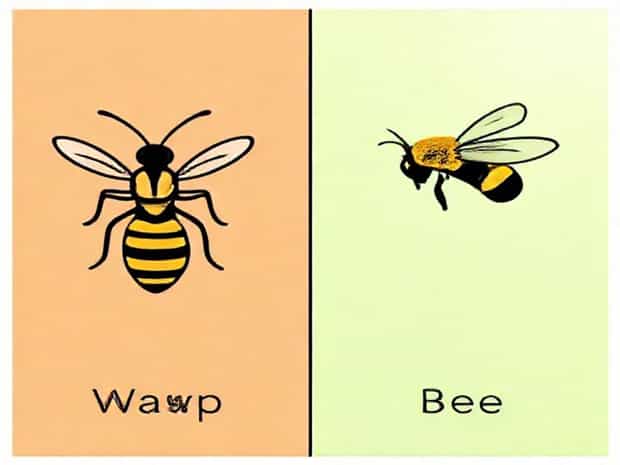
Difference Between Wasp And Bee
Insects play a crucial role in ecosystems, contributing to pollination, pest control, and nutrient cycling. Among the most recognized are wasps and bees, which are often confused due to their similar appearance and shared membership in the order Hymenoptera. Despite their similarities, wasps and bees have distinct characteristics, behaviors, and ecological roles. Understanding the differences between wasps and bees is important for biology, environmental studies, agriculture, and public safety, as it helps in identifying these insects, appreciating their roles in ecosystems, and managing interactions with humans.
Physical Differences Between Wasps and Bees
While both wasps and bees share features such as six legs, segmented bodies, and wings, their physical appearances are adapted to their specific lifestyles and ecological roles. Observing these differences can help in proper identification.
Body Structure
- Bees generally have stout, hairy bodies that help in collecting pollen. The hairs trap pollen grains during foraging, aiding in pollination.
- Wasps have slender, smooth bodies with a narrow waist connecting the thorax and abdomen. This streamlined form is adapted for agility and predation.
- Bees often appear more robust and rounded, whereas wasps have a shiny and elongated appearance.
Coloration
Color patterns differ between the two insects. Bees typically have muted yellow or brown tones with fuzzy hairs, whereas wasps display bright yellow and black patterns with glossy exoskeletons. These visual differences serve as warning signals and camouflage, influencing predator interactions and foraging behavior.
Legs and Wings
Bees have hairy legs with specialized structures called pollen baskets, or corbiculae, for transporting pollen. Their wings are relatively small compared to body size and are adapted for short, efficient flights between flowers. Wasps, on the other hand, have long, smooth legs and wings that allow rapid and agile movement, often necessary for hunting prey or evading predators.
Behavioral Differences
The behaviors of wasps and bees are closely linked to their ecological roles. These behaviors influence feeding patterns, nesting habits, and interactions with humans and other organisms.
Feeding Habits
- Bees are primarily herbivorous, feeding on nectar and pollen from flowers. Nectar provides energy, while pollen supplies proteins and nutrients essential for brood development.
- Wasps are omnivorous or carnivorous, preying on other insects, larvae, and occasionally feeding on nectar or sugary substances. Their predatory behavior helps control pest populations.
- Bee foraging directly supports plant pollination, whereas wasps contribute indirectly to ecosystems through pest regulation and occasional flower visitation.
Social Structure
Social organization varies between species within both groups. Honeybees and bumblebees are highly social, living in colonies with a defined hierarchy, including a queen, workers, and drones. Many wasp species, such as paper wasps, also live in colonies, but solitary wasps are common, with females independently building nests and providing for offspring.
Nesting Habits
- Bees typically nest in hives or cavities, constructing wax combs to store honey and raise larvae. Their nests are designed for temperature regulation and protection of the colony.
- Wasps often build papery nests using chewed plant material mixed with saliva. Some wasps nest underground, while others use sheltered surfaces. Solitary wasps create individual nests or burrows for laying eggs.
Ecological Roles
Both bees and wasps serve important ecological functions, but the nature of their contributions differs significantly.
Pollination
Bees are primary pollinators for many crops and wild plants. Their hairy bodies and constant flower visits allow for efficient pollen transfer, which is essential for plant reproduction and food production. This makes bees critical for agriculture, biodiversity, and ecosystem stability.
Pest Control
Wasps are valuable natural predators. They regulate populations of insects such as caterpillars, aphids, and flies, preventing overpopulation and crop damage. Some wasps also act as parasitoids, laying eggs inside or on host insects, which ultimately kills the host and helps control pest species.
Stinging and Defense Mechanisms
Both bees and wasps can sting, but their mechanisms, frequency, and consequences differ, influencing human interactions and perceptions.
Stinger Structure
- Bees have barbed stingers that usually remain embedded in the skin after stinging, leading to the death of the bee after a single sting. This limits repeated stings and serves as a sacrificial defense for the colony.
- Wasps have smooth stingers that allow multiple stings without harming themselves. This makes them more aggressive in defense and hunting situations.
Behavior Around Humans
Bees are generally non-aggressive unless provoked or defending the hive. Wasps tend to be more aggressive and are often attracted to food and sweet substances during outdoor activities. Understanding these behavioral differences helps in managing encounters and reducing the risk of stings.
Reproduction and Life Cycle
While both bees and wasps undergo complete metamorphosis with egg, larva, pupa, and adult stages, their reproductive strategies differ in colony dynamics and brood care.
Bees
- In social bees, the queen lays eggs while workers maintain the hive, feed larvae, and defend the colony.
- Brood development occurs in wax cells, with a clear division of labor for colony success.
Wasps
- Social wasps have a queen who lays eggs, with workers supporting nest building and feeding larvae, but some species are solitary, with females independently raising their offspring.
- Larvae are often fed captured insects or prey, reflecting the predatory nature of wasps.
Common Misconceptions
Because of their similar appearance, people often confuse bees and wasps. Recognizing differences in body shape, behavior, and ecological role can clarify these misconceptions. For example, not all yellow-and-black insects are aggressive wasps, and not all bees produce honey. Proper identification is essential for conservation, pest management, and safe human interactions.
Bees and wasps are vital components of ecosystems with overlapping yet distinct characteristics. Bees are primarily pollinators with hairy bodies adapted to collecting nectar and pollen, and they exhibit social behavior within hives. Wasps are agile, predatory, and capable of multiple stings, with diverse nesting and feeding behaviors that contribute to pest control. Recognizing the differences between wasps and bees helps in understanding their ecological roles, managing human interactions, and appreciating their contributions to biodiversity and agriculture. By studying their morphology, behavior, and life cycles, scientists and enthusiasts can foster coexistence, promote pollinator health, and utilize wasps’ natural pest control abilities effectively.