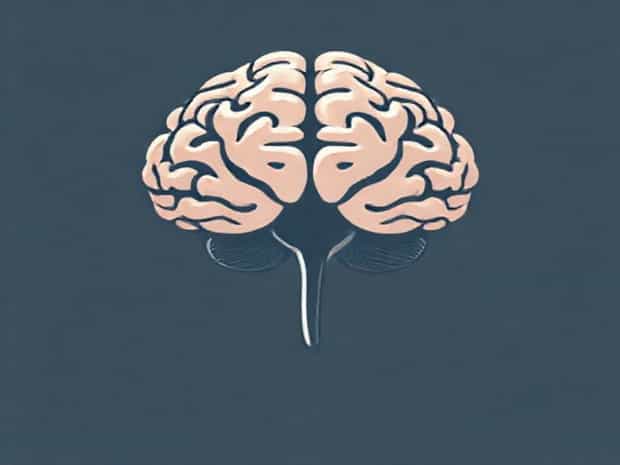
Is The Basal Ganglia In The Cerebellum?
The human brain is a complex organ with multiple structures that control movement, coordination, and cognition. Among these structures, the basal ganglia and the cerebellum are often discussed in relation to motor control, leading to some confusion about whether the basal ganglia are part of the cerebellum. Understanding the distinct roles and locations of these brain structures is essential for students, medical professionals, and anyone interested in neuroscience. Both structures are integral to smooth and coordinated movement, but they function differently and are anatomically separate, highlighting the intricate organization of the central nervous system.
Understanding the Basal Ganglia
The basal ganglia are a group of interconnected nuclei located deep within the cerebral hemispheres. They play a critical role in regulating voluntary motor movements, procedural learning, routine behaviors, and certain cognitive and emotional functions. Key components of the basal ganglia include
- Caudate nucleusInvolved in planning and regulating movements as well as certain learning processes.
- PutamenCoordinates motor control and influences various types of movement.
- Globus pallidusHelps regulate voluntary movement by inhibiting excessive activity in motor circuits.
- Subthalamic nucleusPlays a role in modulating motor control and interacting with other basal ganglia components.
- Substantia nigraProduces dopamine, a neurotransmitter essential for smooth motor function.
The basal ganglia operate through complex neural circuits that connect them with the cerebral cortex and thalamus. They modulate movement by providing inhibitory and excitatory signals, ensuring that motions are smooth, controlled, and purposeful. Disorders of the basal ganglia, such as Parkinson’s disease or Huntington’s disease, illustrate their importance, as damage to these structures can cause tremors, rigidity, and abnormal movements.
Understanding the Cerebellum
The cerebellum, often referred to as the little brain, is located at the back of the skull beneath the occipital lobes of the cerebral cortex. It is responsible for coordinating voluntary movements, maintaining balance and posture, and fine-tuning motor activities. Unlike the basal ganglia, the cerebellum does not initiate movement but ensures that movements are precise, fluid, and adaptive.
Anatomy of the Cerebellum
The cerebellum is divided into three main regions
- VermisControls posture and locomotion, particularly of the trunk and proximal limbs.
- Cerebellar hemispheresInvolved in coordination of limb movements and fine motor skills.
- Flocculonodular lobeRegulates balance, eye movements, and spatial orientation.
The cerebellum communicates with the brainstem and spinal cord through three pairs of cerebellar peduncles, allowing it to receive sensory input and send out motor corrections. Lesions in the cerebellum can result in ataxia, poor balance, and difficulty with precise movements, demonstrating its key role in motor coordination.
Basal Ganglia vs Cerebellum Differences
Although both the basal ganglia and cerebellum are involved in movement, they have different functions and locations
- LocationThe basal ganglia are deep within the cerebral hemispheres, while the cerebellum is situated at the posterior part of the brain beneath the occipital lobes.
- FunctionBasal ganglia modulate movement initiation, inhibit unwanted motions, and help with motor planning. The cerebellum fine-tunes movements, maintains balance, and ensures coordination.
- ConnectionThe basal ganglia interact mainly with the cerebral cortex and thalamus. The cerebellum communicates with the brainstem and spinal cord.
- DisordersBasal ganglia damage leads to Parkinsonian symptoms or hyperkinetic disorders. Cerebellar damage causes ataxia, tremor, and coordination problems.
Why the Basal Ganglia Are Not Part of the Cerebellum
It is a common misconception that the basal ganglia are part of the cerebellum because both influence movement. However, anatomical studies and neuroimaging have confirmed that these structures are separate. The basal ganglia reside within the cerebrum, while the cerebellum is a distinct structure at the brain’s posterior. Their different neural connections, functions, and developmental origins further highlight that they are independent systems within the central nervous system.
Neural Pathways
The basal ganglia and cerebellum operate through different neural pathways
- Basal gangliaReceive input from the cerebral cortex, process it, and send feedback to the cortex via the thalamus, modulating the initiation and regulation of movements.
- CerebellumReceives sensory input from the spinal cord and other brain regions and sends corrective signals to the motor cortex via the brainstem, adjusting movement for accuracy and balance.
Integration of Functions
Although separate, the basal ganglia and cerebellum work together to produce smooth, coordinated movement. The basal ganglia help initiate and select actions, while the cerebellum refines these actions, ensuring accuracy and stability. This integration is crucial for complex tasks such as walking, playing an instrument, or speaking. Dysfunction in either system can lead to movement disorders, highlighting their complementary roles.
Clinical Relevance
Understanding the distinction between the basal ganglia and cerebellum is important in medicine and neuroscience. Neurological exams, imaging studies, and treatment plans often rely on identifying which system is affected. For example
- Parkinson’s disease involves degeneration of the substantia nigra in the basal ganglia, leading to tremors and bradykinesia.
- Cerebellar stroke or tumor can cause ataxia, dysmetria, and difficulty with balance.
The basal ganglia are not located in the cerebellum. They are distinct structures within the cerebral hemispheres, primarily responsible for regulating movement initiation, procedural learning, and motor control. The cerebellum, located at the back of the brain beneath the occipital lobes, fine-tunes movements, maintains balance, and ensures coordination. Both structures are critical for smooth and controlled movement, but their anatomical locations, neural connections, and functional roles are different. Understanding the distinction between the basal ganglia and cerebellum is essential for students, medical professionals, and anyone interested in neuroscience, as it clarifies how complex motor functions are orchestrated in the human brain.