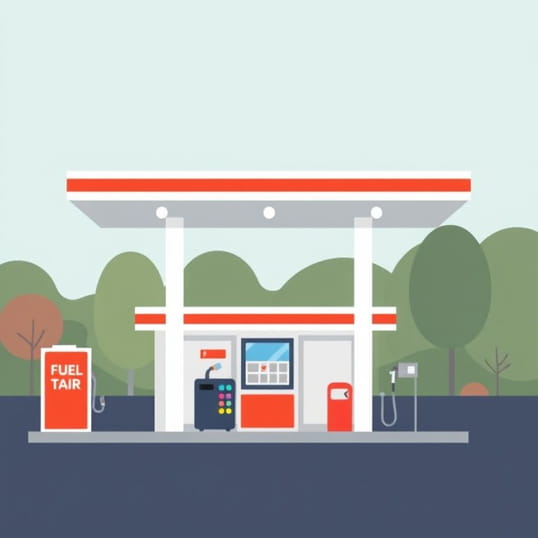
Fuel Forecourt Retail Market
The fuel forecourt retail market has evolved significantly over the past few decades, transforming from simple fuel stations into multifaceted retail hubs that cater to the diverse needs of modern consumers. Initially focused solely on refueling vehicles, fuel forecourts now offer convenience stores, quick-service food outlets, car wash services, and even electric vehicle charging points. This evolution has been driven by changing consumer behavior, technological advancements, and competitive pressures within the fuel and retail industries. Understanding the structure, trends, challenges, and future prospects of the fuel forecourt retail market is essential for businesses, investors, and policymakers aiming to capitalize on this dynamic sector.
Understanding the Fuel Forecourt Retail Market
The fuel forecourt retail market refers to the business segment that combines fuel supply with retail services at service stations. It encompasses petrol stations, diesel pumps, and increasingly, electric vehicle charging points. These establishments serve as critical touchpoints for consumers, providing not only fuel but also supplementary products and services that enhance the customer experience.
Components of Fuel Forecourt Retail
Modern fuel forecourts consist of several key components that contribute to their overall value proposition
- Fuel Dispensing UnitsTraditional petrol and diesel pumps remain the core offering, with some forecourts incorporating biofuels and alternative energy options.
- Convenience StoresRetail spaces offering snacks, beverages, and essential items for travelers and commuters.
- Food and Beverage OutletsQuick-service restaurants, coffee shops, and snack kiosks are increasingly common to attract additional foot traffic.
- Automotive ServicesCar washes, tire checks, and minor repair services enhance the customer experience.
- EV Charging InfrastructureAs electric vehicles gain popularity, forecourts are integrating fast and standard charging stations to meet growing demand.
Market Trends in Fuel Forecourt Retail
The fuel forecourt retail market is constantly adapting to evolving consumer preferences and technological developments. Key trends shaping the industry include
Digital Transformation
Fuel forecourts are increasingly leveraging digital technologies to enhance customer engagement. Mobile payment solutions, loyalty programs, and app-based fuel ordering systems are becoming standard features. Digital signage and interactive kiosks provide real-time promotions and personalized offers, boosting in-store sales.
Expansion of Non-Fuel Retail Offerings
Forecourts are diversifying their revenue streams by incorporating a wide range of retail products. Convenience stores, branded snacks, and health-conscious food options are common additions. Some locations even offer groceries, household essentials, and seasonal products, catering to local consumer needs.
Adoption of Alternative Fuels
The growing focus on sustainability is driving forecourts to offer alternative fuels such as compressed natural gas (CNG), liquefied petroleum gas (LPG), and hydrogen. Electric vehicle (EV) charging infrastructure is also becoming a critical component, particularly in urban areas where EV adoption is rising rapidly.
Challenges Facing the Fuel Forecourt Retail Market
Despite growth opportunities, the fuel forecourt retail market faces several challenges that can impact profitability and expansion
Price Volatility of Fuel
Fluctuations in global oil prices affect profit margins for fuel retailers. While convenience store sales can offset some of this volatility, heavy reliance on fuel revenue remains a risk factor.
Regulatory Compliance
Fuel forecourts must adhere to strict environmental, safety, and zoning regulations. Compliance with these requirements can increase operational costs and limit expansion in certain regions.
Competition from Alternative Retail Channels
The rise of online retail and delivery services competes with convenience store offerings at fuel forecourts. Forecourt operators must innovate to maintain foot traffic and attract repeat customers.
Technological Investment Costs
Integrating digital systems, EV charging stations, and other modern infrastructure requires significant capital investment. Smaller operators may struggle to compete with larger chains that can absorb these costs more easily.
Opportunities for Growth
Despite these challenges, there are numerous growth opportunities in the fuel forecourt retail market
Expansion into Emerging Markets
Many developing countries are witnessing increased vehicle ownership and infrastructure development, creating opportunities for new forecourt establishments. Urbanization and rising disposable incomes are driving demand for convenient, multi-service locations.
Enhanced Customer Experience
Offering premium services such as high-quality food and beverage outlets, comfortable seating, and loyalty programs can increase dwell time and per-visit spending. Personalization through digital tools further enhances customer satisfaction.
Integration of Sustainable Practices
Adopting green technologies, such as solar panels, energy-efficient lighting, and EV chargers, can attract environmentally conscious consumers. Government incentives for sustainable operations can also improve profitability.
Partnerships with Brands
Collaborations with well-known retail, food, and beverage brands can enhance the forecourt’s appeal. Co-branding initiatives and franchise partnerships are increasingly popular, leveraging brand recognition to attract more customers.
Future Outlook of the Fuel Forecourt Retail Market
The future of fuel forecourt retail is likely to be shaped by technology, sustainability, and evolving consumer behavior. Hybrid forecourts offering both traditional fuels and alternative energy sources, combined with diverse retail offerings, will become the norm. Digitalization will further streamline operations, enabling predictive inventory management, automated payment systems, and personalized promotions. As environmental awareness grows, forecourts that prioritize sustainable practices and green energy solutions will likely gain a competitive edge.
Impact of Electric Vehicles
The adoption of electric vehicles is set to transform the fuel forecourt landscape. Operators will need to invest in fast-charging infrastructure, battery swap stations, and energy storage solutions. While EVs may reduce traditional fuel sales, they create new revenue streams through charging fees and retail offerings targeted at EV owners.
Integration of Mobility Services
Some forecourts are exploring mobility hubs that cater to car-sharing, ride-hailing, and delivery fleets. Providing refueling, maintenance, and retail services in a single location can enhance convenience and capture a broader customer base.
The fuel forecourt retail market is no longer limited to dispensing petrol or diesel; it has evolved into a multifaceted retail ecosystem catering to diverse consumer needs. Trends such as digital transformation, alternative fuels, and expanded retail offerings are shaping the industry, while challenges like fuel price volatility and regulatory compliance remain. By embracing technological innovation, sustainable practices, and strategic partnerships, fuel forecourt operators can enhance customer experience, increase profitability, and secure a strong position in a competitive market. As mobility patterns continue to change, particularly with the rise of electric vehicles, the forecourt retail sector will continue to adapt, offering exciting opportunities for growth and innovation in the years to come.