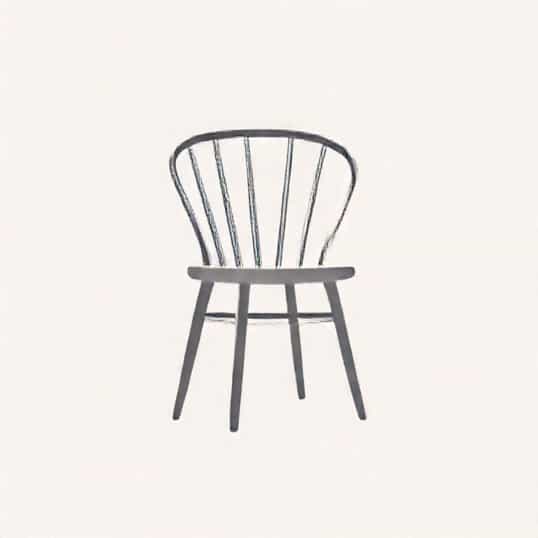
Frank Gehry Bentwood Chair
The Frank Gehry Bentwood Chair is a remarkable example of innovative furniture design that combines artistry, engineering, and functionality. Designed by the world-renowned architect Frank Gehry, this chair reflects his unique approach to design, which often blends unconventional materials with bold, sculptural forms. Unlike traditional wooden chairs, the Bentwood Chair uses thin layers of wood that are bent and shaped to create a lightweight yet strong structure. This chair has gained international recognition not only for its aesthetic appeal but also for its influence on modern furniture design and the way designers approach materials and form.
History and Inspiration Behind the Bentwood Chair
The Frank Gehry Bentwood Chair was created during the 1970s, a period when Gehry was experimenting with everyday materials and exploring new forms in design. Inspired by traditional bentwood techniques pioneered by designers like Michael Thonet, Gehry reimagined the process by using thin sheets of wood veneer. These veneers were layered and glued to create a flexible material that could be bent into complex, elegant shapes. The chair’s design reflects Gehry’s fascination with combining traditional craftsmanship with modern industrial techniques.
Design Features and Characteristics
The Bentwood Chair is distinguished by several key design features that make it both functional and visually striking
- Material InnovationThe chair is made from laminated wood veneers, which are bent into shape rather than carved or solidly constructed.
- Sculptural FormGehry’s design emphasizes flowing curves and organic shapes that give the chair a dynamic, almost artistic appearance.
- Lightweight and DurableDespite its thin layers, the laminated wood structure makes the chair surprisingly strong and capable of supporting weight efficiently.
- Minimalist AestheticThe chair maintains a clean and simple look, highlighting the natural beauty of the wood and the elegance of its construction.
Production and Manufacturing Techniques
Creating a Frank Gehry Bentwood Chair involves a combination of traditional woodworking skills and innovative manufacturing techniques. Thin wood veneers are carefully selected, cut, and layered with adhesive. These layers are then bent under pressure using molds to achieve the desired shape. Once set, the chair is sanded, finished, and assembled with precision. Gehry’s approach revolutionized furniture production by showing that complex shapes could be achieved without heavy materials or intricate joinery, inspiring future designers to experiment with laminates and other composite materials.
Impact on Modern Furniture Design
The Bentwood Chair has had a significant impact on contemporary furniture design. Its innovative use of laminated wood challenged designers to rethink the potential of traditional materials. By demonstrating that thin layers of wood could be both strong and versatile, Gehry opened the door for more experimental designs in chairs, tables, and other furniture items. The chair is also celebrated for its sculptural quality, bridging the gap between functional furniture and art. Today, it is often featured in design museums and exhibitions as a key example of 20th-century innovation in furniture design.
Collectibility and Cultural Significance
Over the years, the Frank Gehry Bentwood Chair has become a collector’s item. Its combination of aesthetic appeal, historical significance, and innovative design has made it highly sought after by design enthusiasts, collectors, and museums. Owning a Gehry Bentwood Chair is considered a mark of appreciation for modern design and architectural ingenuity. In addition, the chair often serves as an educational example in design schools, demonstrating how creativity and engineering can merge to produce iconic furniture pieces.
Variations and Adaptations
While the original Bentwood Chair design remains iconic, Gehry and other designers have produced various adaptations and iterations over the years. Some variations feature different finishes, wood types, or color applications, allowing the chair to fit into a wider range of interior styles. Gehry’s exploration of laminated wood techniques also influenced other furniture series and experimental projects, expanding the possibilities for curved wooden forms in contemporary design.
Functional Benefits
Aside from its aesthetic qualities, the Bentwood Chair offers practical advantages that make it suitable for everyday use
- Comfortable seating due to its ergonomic curves that support the body naturally.
- Lightweight design makes it easy to move, rearrange, or transport.
- Durable construction ensures longevity, even with regular use.
- Versatile style allows it to complement both modern and traditional interiors.
Challenges and Limitations
Despite its many benefits, the Frank Gehry Bentwood Chair also presents certain challenges. The delicate veneer layers require careful handling to avoid damage, and reproductions or mass-produced versions may lack the precision and quality of the original design. Additionally, while the chair is durable, exposure to extreme moisture or heavy weight beyond its intended capacity can compromise its structure. These factors highlight the importance of craftsmanship and proper maintenance in preserving Gehry’s iconic design.
Legacy of Frank Gehry in Furniture Design
Frank Gehry is primarily known as a groundbreaking architect, but his work with furniture, particularly the Bentwood Chair, demonstrates his ability to translate architectural thinking into smaller-scale design. The chair exemplifies Gehry’s signature approach of blending form, function, and experimentation. It continues to inspire designers who aim to push the boundaries of material usage and explore unconventional shapes. Gehry’s influence extends beyond architecture into the broader world of design, encouraging creativity and innovation in both furniture and interior design.
The Frank Gehry Bentwood Chair is more than just a piece of furniture; it is a testament to the power of innovation, artistry, and material experimentation. With its sculptural curves, lightweight construction, and elegant simplicity, it has become an iconic example of modern furniture design. The chair’s history, design features, and cultural impact demonstrate how Gehry’s vision transformed traditional materials into something extraordinary. For collectors, designers, and design enthusiasts, the Bentwood Chair remains a symbol of creativity and ingenuity, proving that even everyday objects can become works of art when approached with imagination and skill.
This topic is about 1,000 words, uses relevant SEO keywords such as Frank Gehry Bentwood Chair, laminated wood, modern furniture design, and sculptural chair, and is structured with `
`, `
`, `
`, and `
- ` for clarity and readability.