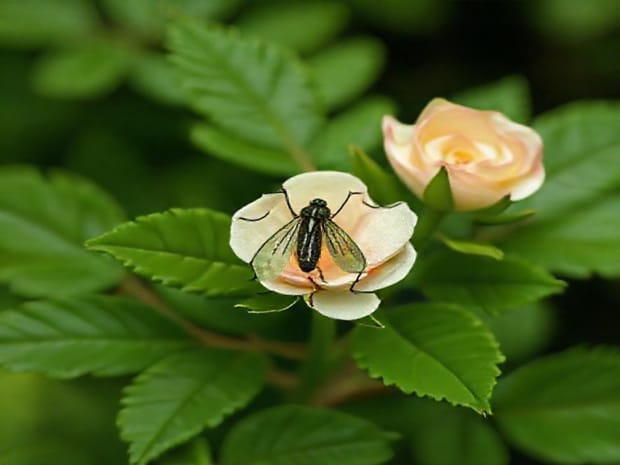
How To Remove Greenfly From Roses
Greenfly, also known as aphids, are tiny, soft-bodied insects that commonly infest rose plants, causing damage to leaves, stems, and buds. These pests feed on the sap of roses, weakening the plant, distorting growth, and sometimes spreading diseases. Gardeners often struggle with greenfly infestations because of their rapid reproduction and ability to hide under leaves and buds. Removing greenfly from roses effectively requires a combination of preventive measures, natural remedies, and targeted treatments to keep plants healthy and vibrant throughout the growing season.
Understanding Greenfly and Their Impact on Roses
Greenfly are small, pear-shaped insects, usually green in color, although some species may appear yellow, black, or brown. They congregate in clusters on the undersides of leaves and around new growth. By sucking plant sap, greenfly deprive roses of essential nutrients, causing leaves to curl, flowers to deform, and overall growth to weaken. Additionally, greenfly excrete a sticky substance called honeydew, which can attract ants and promote the growth of sooty mold, further damaging the plant and reducing its aesthetic appeal.
Identifying Greenfly Infestation
Early detection is crucial for effective control. Signs of greenfly infestation include distorted or curling leaves, stunted growth, sticky residues on leaves, and clusters of tiny insects on stems and buds. Regularly inspecting rose bushes, especially new growth and flower buds, helps gardeners spot greenfly before they multiply. Prompt action can prevent severe infestations and minimize damage to roses.
Natural Methods to Remove Greenfly
Using natural methods to remove greenfly is safe for the environment and beneficial insects like bees and ladybugs. These approaches are particularly suitable for gardeners who prefer chemical-free solutions and sustainable gardening practices.
Water Spray Technique
A strong jet of water from a garden hose can dislodge greenfly from rose plants. Spray the affected areas, focusing on the undersides of leaves and buds where greenfly congregate. Repeating this process every few days helps reduce their population without harming the plant. It is important to use moderate pressure to avoid damaging delicate rose petals and stems.
Introducing Beneficial Insects
Ladybugs, lacewings, and hoverfly larvae are natural predators of greenfly. Releasing these beneficial insects in your garden can significantly reduce greenfly populations. Encourage a diverse garden ecosystem by planting flowers that attract these predators, such as marigolds, dill, and fennel. Beneficial insects not only control greenfly but also help manage other pests naturally.
Homemade Sprays
Several homemade sprays can deter or kill greenfly. Soap sprays made from mild liquid soap and water can suffocate greenfly when sprayed directly on them. Neem oil is another effective natural treatment that disrupts the feeding and reproduction of greenfly. Garlic or chili sprays can act as repellents, discouraging greenfly from settling on roses. Apply these sprays in the early morning or late evening to avoid leaf burn and maximize effectiveness.
Cultural Practices for Prevention
Preventing greenfly infestations is easier than dealing with severe outbreaks. Healthy rose plants are more resilient and less attractive to pests. Implementing proper cultural practices helps maintain plant vigor and reduces the likelihood of greenfly problems.
Regular Pruning
Pruning roses encourages strong growth and improves air circulation, which discourages greenfly infestations. Remove any infested shoots and dispose of them carefully to prevent the insects from spreading. Pruning also helps the plant focus energy on healthy growth, resulting in more vigorous blooms and less susceptibility to pests.
Proper Fertilization
Excess nitrogen in fertilizers can lead to lush, soft growth that attracts greenfly. Use balanced fertilizers and avoid over-fertilizing. Applying compost and organic matter helps improve soil health and strengthens plant defenses naturally. Healthy, well-nourished roses are better able to resist pest attacks.
Companion Planting
Certain plants can repel greenfly when grown near roses. Herbs like chives, garlic, and mint, or flowers like marigolds, act as natural deterrents. Companion planting creates a more diverse garden environment, reducing the chances of greenfly infestations and supporting beneficial insects that control other pests.
Chemical Treatments for Severe Infestations
In cases of severe greenfly infestations, chemical treatments may be necessary. Select insecticides that are specifically labeled for use on roses and follow instructions carefully. Apply in the early morning or late evening to minimize impact on pollinators. Rotate insecticides to prevent greenfly from developing resistance, and avoid overuse to protect the environment and beneficial insects.
Systemic Insecticides
Systemic insecticides are absorbed by the plant and target greenfly feeding on sap. These treatments provide longer-lasting control compared to surface sprays. However, they should be used sparingly and as a last resort, as they can affect non-target insects and pollinators if not applied correctly.
Monitoring and Follow-Up
After implementing greenfly control measures, continued monitoring is essential. Check rose plants regularly for new signs of greenfly and reapply treatments if necessary. Keeping a garden journal to track infestations, treatments, and plant health can help in planning preventive strategies for the next season. Consistent care and vigilance ensure roses remain healthy, pest-free, and vibrant.
Integrated Pest Management (IPM)
Combining natural, cultural, and chemical methods through an Integrated Pest Management approach is the most effective strategy for controlling greenfly. IPM emphasizes monitoring, prevention, and targeted treatments to minimize damage while protecting beneficial insects and the environment. By adopting IPM practices, gardeners can maintain beautiful roses with minimal reliance on chemical pesticides.
Removing greenfly from roses requires a combination of early detection, natural remedies, cultural practices, and, if necessary, targeted chemical treatments. Regular inspection, proper pruning, balanced fertilization, and the introduction of beneficial insects are key strategies for preventing and managing infestations. By understanding the behavior and impact of greenfly, gardeners can keep roses healthy and vibrant, ensuring lush foliage and beautiful blooms throughout the season. With patience and consistent care, greenfly can be controlled effectively, allowing roses to thrive in any garden.