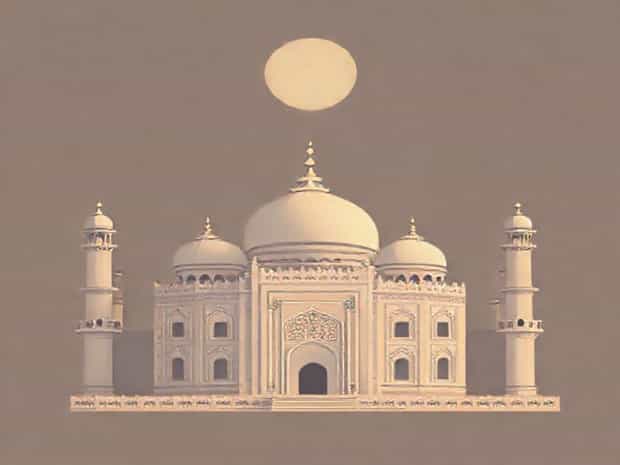
Is Hawa Mahal In Jaipur?
Among the many landmarks of India, few inspire as much curiosity as the Hawa Mahal. When people ask, Is Hawa Mahal in Jaipur?” the answer is yes, but its significance goes far beyond just its location. Known as the “Palace of Winds,” this architectural marvel stands proudly in the heart of Jaipur, Rajasthan’s capital city. Tourists, historians, and photographers from around the world are drawn to its intricate design, vibrant pink façade, and cultural importance. To truly appreciate this palace, it is important to explore its history, architecture, and role in Jaipur’s identity as the “Pink City.”
The Location of Hawa Mahal
Hawa Mahal is indeed located in Jaipur, the capital of Rajasthan, India. Situated at the edge of the City Palace, it lies along a bustling street filled with shops, markets, and cultural life. Its central position makes it one of the most visited sites in the city, allowing visitors to experience both its grandeur and the lively urban setting that surrounds it. This location also links it to Jaipur’s overall architectural plan, which reflects the vision of its founder, Maharaja Sawai Jai Singh II.
Historical Background
The Hawa Mahal was built in 1799 by Maharaja Sawai Pratap Singh. Inspired by the unique architecture of the Khetri Mahal, he wanted a palace that would allow royal women to observe street festivals and daily life without being seen, in line with the strict traditions of the time. This purpose gave rise to the distinctive honeycomb structure, where hundreds of windows served both as ventilation points and viewing spots. The palace is therefore not only an architectural feat but also a reflection of the social customs and cultural dynamics of the 18th century.
Architectural Highlights
The architecture of Hawa Mahal is one of its greatest attractions. Built with red and pink sandstone, it matches the theme of Jaipur as the “Pink City.” Its design combines elements of Rajput and Mughal architecture, creating a structure that is both grand and graceful. The façade has 953 small windows, called jharokhas, decorated with intricate latticework. These windows serve a dual purpose allowing cool breezes to pass through during the hot summers and enabling royal women to maintain their privacy.
The Five Floors of Hawa Mahal
Hawa Mahal consists of five floors, each with unique features
- Ground FloorServes as the entryway into the palace.
- First and Second FloorsContain courtyards and chambers used by the royals.
- Third Floor (Vichitra Mandir)A floor dedicated to Lord Krishna, often used for worship.
- Fourth Floor (Prakash Mandir)Known as the Temple of Light, with open terraces for a panoramic view of the city.
- Fifth Floor (Hawa Mandir)The highest level, providing the best vantage point of Jaipur and its surroundings.
The Purpose Behind Its Design
Unlike many palaces that were designed for grandeur and luxury, Hawa Mahal had a practical and cultural purpose. It was built so that women of the royal household, who followed the purdah system, could observe street life and festivities without being seen by the public. The narrow passages and lattice windows reflect this purpose. In addition, the architecture allowed air to circulate freely, making the palace a comfortable retreat during the scorching heat of Rajasthan summers.
Hawa Mahal as a Symbol of Jaipur
When people think of Jaipur, Hawa Mahal is often one of the first images that come to mind. Its pink sandstone façade has become an iconic symbol of the city, appearing in countless photographs, travel guides, and documentaries. It is often compared to a crown, which complements its royal heritage. The palace represents not only the artistic vision of its architects but also the spirit of Jaipur itself vibrant, elegant, and steeped in tradition.
Tourism and Cultural Value
Today, Hawa Mahal is one of the most visited tourist attractions in Rajasthan. Travelers come to admire its beauty, take photographs, and learn about its history. The palace is part of Jaipur’s cultural circuit, along with landmarks such as the City Palace, Jantar Mantar, and Amer Fort. Together, these monuments tell the story of Jaipur’s past, making the city a UNESCO World Heritage site.
Interesting Facts About Hawa Mahal
- The palace does not have a traditional front entrance. Visitors enter from the back through the City Palace area.
- Despite its grand exterior, the palace does not contain lavish interiors like other royal residences. Its charm lies in its façade and airy design.
- The word “Hawa” means wind, highlighting the palace’s unique feature of natural air circulation.
- Its pink color is maintained as part of Jaipur’s tradition, where buildings in the old city are painted pink to symbolize hospitality.
The Experience of Visiting Hawa Mahal
Visiting Hawa Mahal offers more than just viewing a building. Climbing its floors provides sweeping views of Jaipur’s streets, markets, and monuments. The experience allows tourists to imagine how royal women once observed city life from behind the jharokhas. Nearby bazaars add to the atmosphere, selling handicrafts, textiles, and jewelry that reflect Rajasthan’s culture. For many visitors, Hawa Mahal is not just a monument but an immersive cultural experience.
Preservation and Importance Today
Over the years, efforts have been made to preserve Hawa Mahal so future generations can continue to admire it. Restoration projects ensure that its sandstone façade retains its charm. Authorities also maintain the surrounding areas to enhance tourism while respecting the palace’s historical importance. As Jaipur continues to grow as a modern city, Hawa Mahal stands as a reminder of its royal past and architectural heritage.
So, is Hawa Mahal in Jaipur? Yes, it is located at the heart of the Pink City, standing as one of the most distinctive monuments in India. Beyond its physical location, Hawa Mahal represents the artistry, culture, and traditions of Rajasthan. Its history, purpose, and beauty continue to fascinate millions of people from around the globe. Whether you visit to admire its architecture, learn its history, or experience its cultural significance, Hawa Mahal remains an essential part of Jaipur’s identity and a timeless treasure of India.