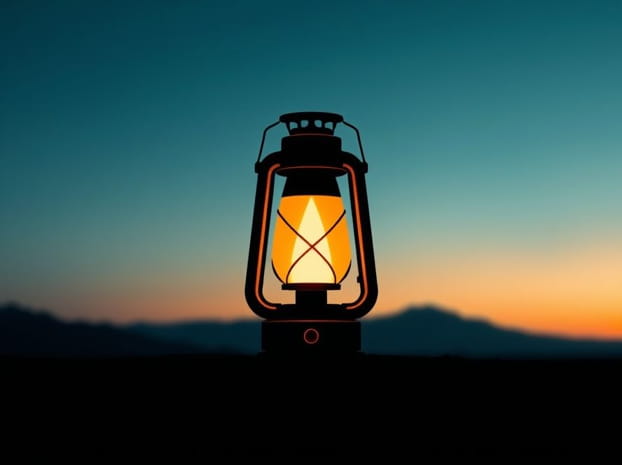
Glow Of The Kerosene Light
There is something timeless and comforting about the glow of the kerosene light. Long before electricity became widespread, kerosene lamps were a primary source of illumination in homes, streets, and workplaces, casting a warm and steady light that seemed to hold a quiet magic. The soft flicker of the flame, the subtle warmth radiating from the lamp, and the gentle hum of the wick combine to create an atmosphere that is both nostalgic and deeply calming. Even today, in remote areas or during power outages, the kerosene lamp remains a symbol of simplicity and resilience, connecting us to a slower, more reflective pace of life.
Historical Significance of Kerosene Lighting
Kerosene lamps have a long and rich history, dating back to the mid-19th century when kerosene became widely available as a fuel. Before kerosene, households relied on candles, whale oil lamps, or other less efficient sources of light. The introduction of kerosene lamps marked a major technological and social advancement, providing brighter and more consistent lighting at a lower cost. This accessibility allowed people to extend their daily activities into the evening hours, facilitating reading, social interaction, and work after sunset.
The Design of Kerosene Lamps
Kerosene lamps come in a variety of designs, but most share basic components a fuel reservoir, a wick, and a chimney. The wick draws kerosene from the reservoir, allowing it to burn steadily, while the glass chimney protects the flame and enhances airflow, which improves combustion. Over the years, designs evolved to maximize efficiency, minimize smoke, and provide greater control over flame height and brightness. Some lamps were small and portable, suitable for bedside use or travel, while larger models served as primary light sources in living rooms, workshops, and outdoor settings.
The Science Behind the Glow
The characteristic glow of the kerosene lamp comes from the combustion of kerosene vapor along the wick. When lit, the heat of the flame vaporizes the kerosene, which then reacts with oxygen to produce a steady flame. Unlike electric lights, the kerosene flame emits a warm spectrum of colors, typically ranging from yellow to orange, which creates a soothing visual effect. The soft, flickering nature of the flame adds a sense of movement and life to the light, which many people find comforting and almost hypnotic.
Factors Affecting the Quality of Light
- Wick MaterialCotton or other fibrous materials can influence how evenly the fuel burns, affecting brightness and flame stability.
- Chimney DesignProper airflow helps reduce smoke and ensures a steady glow, preventing flickering that can strain the eyes.
- Fuel PurityHigh-quality kerosene burns cleaner, producing less soot and a more consistent light.
- MaintenanceRegular trimming of the wick and cleaning of the chimney can significantly enhance the quality and longevity of the glow.
Cultural and Emotional Resonance
The glow of the kerosene lamp carries more than physical illumination; it evokes memories and emotions tied to family, tradition, and simpler times. In many rural areas and historic settings, people recall evenings spent reading by kerosene light, sharing stories, or gathering around the warmth of the flame. Writers and poets often use the imagery of kerosene lamps to symbolize reflection, solitude, or the quiet persistence of life in the face of darkness. Its gentle light invites contemplation and fosters a unique sense of intimacy that modern electric lighting sometimes lacks.
Symbolism in Literature and Art
Artists and authors frequently highlight the kerosene lamp as a motif for warmth, hope, and resilience. Its glow represents the human ability to bring light into dark situations, both literally and metaphorically. In painting, the lamp’s flame can create dramatic contrasts of light and shadow, emphasizing texture, depth, and atmosphere. In literature, it often serves as a symbol of guidance, safety, and the passage of time, reminding readers of moments spent in quiet reflection or communal gathering.
Modern Uses and Nostalgia
Despite the prevalence of electric lighting, kerosene lamps are still used in various contexts. In remote regions without electricity, they provide reliable illumination. During camping trips or outdoor events, they offer a source of light that does not rely on batteries or power grids. Additionally, kerosene lamps have found a place in contemporary décor and vintage-themed settings, celebrated for their aesthetic charm and the nostalgic ambiance they create. Many people keep them as collectibles, appreciating both their functional value and their connection to history.
Practical Considerations Today
- SafetyProper handling and ventilation are essential, as kerosene is flammable and its combustion produces carbon monoxide.
- Fuel StorageStoring kerosene in safe containers away from heat sources ensures reliable use and reduces risks.
- MaintenanceKeeping the wick and chimney clean enhances performance and prolongs the life of the lamp.
- Alternative UsesIn addition to illumination, kerosene lamps can serve as emergency light sources during power outages or natural disasters.
The Aesthetic Experience of Kerosene Light
There is a particular emotional quality in the soft glow of a kerosene lamp that modern lighting rarely replicates. The flickering flame creates dynamic shadows and gentle warmth, fostering a sense of calm and tranquility. In interior spaces, kerosene light can transform a room, emphasizing textures, colors, and the natural rhythm of life. For many, it is not just a source of light, but a way to connect with history, heritage, and the comforting patterns of daily life in times past.
Creating Atmosphere and Ambience
- Reading and Study The focused, warm glow encourages concentration without harsh glare.
- Social Gatherings Provides a natural center of attention and fosters conversation and closeness.
- Outdoor Activities Enhances the beauty of gardens, patios, and campsites with gentle illumination.
- Artistic Inspiration Photographers and painters often use kerosene light to achieve dramatic effects and highlight textures.
The glow of the kerosene light is more than mere illumination; it is a symbol of warmth, history, and human resilience. From its historical role in extending productive hours and enhancing social interaction to its continued presence in rural areas and nostalgic settings, the kerosene lamp remains a powerful cultural and emotional icon. Its steady, flickering flame provides both practical lighting and a source of aesthetic and emotional inspiration, reminding us of the simplicity and beauty inherent in small, everyday sources of light. Whether used in practical situations or appreciated for its ambiance, the kerosene lamp continues to captivate and comfort, bridging the past and present with its enduring, gentle glow.