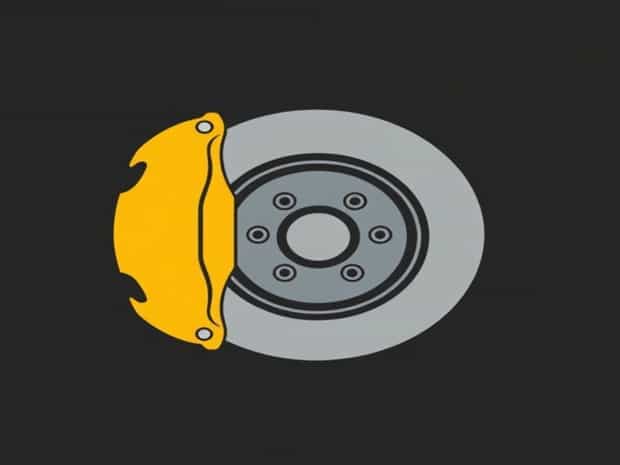
Disc Brake Caliper Tool
When it comes to maintaining or repairing a vehicle’s braking system, one essential device that often gets overlooked is the disc brake caliper tool. This tool is specifically designed to help compress or retract the caliper piston, making it possible to install new brake pads or perform other brake service tasks safely and efficiently. Without the right tool, replacing brake pads or working on calipers can become frustrating, time-consuming, and even risky. Understanding how the disc brake caliper tool works, its different types, and why it is important can make the process smoother for both professional mechanics and car enthusiasts who prefer to handle maintenance on their own.
What is a Disc Brake Caliper Tool?
A disc brake caliper tool is a specialized device used to retract the piston inside a brake caliper. When brake pads wear out, the piston extends further to keep pressure on the disc. Before installing new pads, the piston needs to be pushed back into the caliper housing to make space. The caliper tool ensures this can be done evenly, without causing damage to the piston, seals, or surrounding components.
Why the Tool is Necessary
While some people try to push caliper pistons back with improvised methods, such as using a screwdriver or clamp, this can lead to uneven pressure, torn seals, or permanent caliper damage. The disc brake caliper tool makes the process safer and more efficient for several reasons
- It applies even force to the piston, reducing the chance of damaging seals.
- It prevents the piston from tilting or getting stuck.
- It saves time compared to makeshift methods.
- It helps maintain proper brake performance and safety after pad replacement.
Types of Disc Brake Caliper Tools
There are different styles of tools available depending on the type of brake system and the design of the caliper. Understanding these variations helps in choosing the correct tool for the job.
Single-Piston Compression Tool
This is the most basic type, designed for calipers with a single piston. It often resembles a simple press or clamp that pushes the piston back evenly into the housing. These are common in many standard passenger cars.
Dual-Piston Compression Tool
Some vehicles use calipers with two pistons. In this case, the tool is slightly larger and applies pressure evenly across both pistons, ensuring they retract at the same time without sticking or causing alignment problems.
Wind-Back Caliper Tool
On vehicles with rear disc brakes that double as parking brakes, the piston cannot simply be pushed back. Instead, it must be rotated or wound back into the caliper. A wind-back caliper tool uses a threaded mechanism that allows the piston to be twisted while applying inward pressure, ensuring smooth retraction.
Universal Caliper Tool Kits
Universal kits usually come with multiple adapters to fit different piston sizes and caliper designs. These kits are especially useful for mechanics who work on various makes and models of cars, as they provide versatility in one package.
How to Use a Disc Brake Caliper Tool
Using the tool correctly is just as important as having it. Here is a general step-by-step guide
- Secure the vehicle on jack stands and remove the wheel to access the caliper.
- Remove the caliper bolts and carefully lift the caliper away from the rotor.
- Take out the worn brake pads.
- Position the caliper tool against the piston and align it properly.
- Turn or press the tool handle to retract the piston evenly.
- Once the piston is fully retracted, install the new brake pads and reassemble the caliper.
Always remember to check the brake fluid reservoir before and after compressing the piston, as fluid may rise when the piston retracts.
Choosing the Right Tool
Not all vehicles require the same type of caliper tool, so selecting the right one is crucial. Consider these factors
- Type of caliperDetermine whether the caliper uses single, dual, or wind-back pistons.
- CompatibilityUniversal kits are ideal for varied use, but specific tools may provide better fit for certain models.
- Ease of useTools with ergonomic handles and sturdy construction make the job more efficient.
- DurabilityHigh-quality steel tools last longer and handle repeated use better than cheaper alternatives.
Common Mistakes to Avoid
Working with brake components requires care and precision. When using a disc brake caliper tool, avoid these common errors
- Forcing the piston back without aligning the tool properly.
- Skipping inspection of seals and dust boots, which may already be worn or damaged.
- Ignoring the need for a wind-back tool when working on rear parking brake calipers.
- Failing to monitor brake fluid levels, which can lead to overflow.
Maintenance and Care of the Tool
Like any automotive tool, proper care ensures longevity and reliability. After use, clean the tool to remove any dirt or brake dust. Store it in a dry place to avoid rust, and periodically inspect moving parts for wear. High-quality caliper tools can last for years if maintained well.
Benefits for Professionals and DIY Enthusiasts
Both professional mechanics and DIY enthusiasts benefit greatly from using the correct disc brake caliper tool. For professionals, efficiency and consistency are crucial, and the right tool speeds up service while ensuring safety. For hobbyists, owning a caliper tool saves money on shop fees and provides the satisfaction of completing brake work independently.
The disc brake caliper tool is a small but vital part of maintaining a vehicle’s braking system. By ensuring pistons retract smoothly and evenly, it prevents damage and supports proper brake function. With various types available, from single-piston compression tools to universal wind-back kits, choosing the right one depends on the specific brake system in use. Using this tool not only simplifies the process of brake pad replacement but also ensures that safety is prioritized during maintenance. Whether for a professional workshop or a home garage, investing in a disc brake caliper tool is a practical decision that pays off in time, safety, and performance.