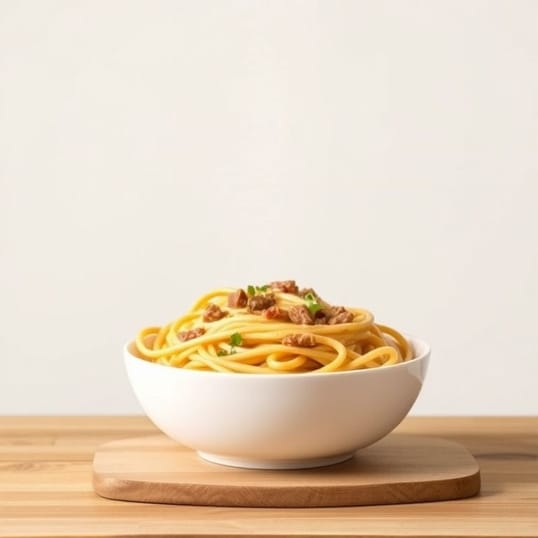
How Long To Cook Whole Wheat Spaghetti
Cooking whole wheat spaghetti can seem straightforward, but achieving the perfect texture requires attention to timing, water, and heat. Unlike regular pasta made from refined flour, whole wheat spaghetti has a denser texture and a nuttier flavor due to the presence of bran and germ. These components affect both cooking time and the way the pasta absorbs water. Understanding how long to cook whole wheat spaghetti, along with tips for preparation, ensures that your pasta is al dente, flavorful, and retains its nutritional benefits. Whether for a quick weeknight dinner or a more elaborate pasta dish, knowing the ideal cooking time is essential for consistent results.
Understanding Whole Wheat Spaghetti
Whole wheat spaghetti is made from 100% whole grain wheat flour, which preserves the natural fiber, vitamins, and minerals found in the wheat kernel. This makes it a healthier alternative to traditional refined pasta, but also slightly more challenging to cook properly. Whole wheat pasta can become mushy if overcooked or remain too firm if undercooked. The ideal cooking process balances texture, flavor, and nutritional quality.
Nutritional Benefits
- High in dietary fiber, which aids digestion and promotes satiety.
- Contains more protein than refined pasta, supporting muscle health.
- Rich in essential minerals like magnesium, zinc, and iron.
- Has a lower glycemic index, which helps maintain stable blood sugar levels.
Because of its higher fiber content, whole wheat spaghetti absorbs water differently, which affects the cooking time compared to regular pasta. This is important to consider when planning meals and preparing sauces to ensure the pasta is not undercooked or overcooked.
Boiling Whole Wheat Spaghetti
Boiling is the most common method for cooking whole wheat spaghetti. To achieve the best results, follow these key steps
Step 1 Use Plenty of Water
Start with a large pot filled with water. Using about 4 to 6 quarts of water per pound of pasta helps prevent sticking and ensures even cooking. Adding a pinch of salt enhances flavor and can slightly raise the boiling point of the water, allowing the pasta to cook more evenly.
Step 2 Bring Water to a Rolling Boil
Make sure the water is at a vigorous boil before adding the spaghetti. Adding pasta to water that is not fully boiling can result in uneven cooking, with some strands soft and others undercooked.
Step 3 Add Pasta Gradually
To prevent clumping, add whole wheat spaghetti gradually while stirring. Stir occasionally throughout the cooking process to keep the strands separated and to ensure even heat distribution.
Cooking Time for Whole Wheat Spaghetti
The cooking time for whole wheat spaghetti varies depending on the brand, thickness, and personal preference for doneness. On average, most whole wheat spaghetti cooks in 8 to 12 minutes for a firm but tender texture.
Al Dente vs. Soft Texture
- Al DenteFor a slightly firm bite, cook whole wheat spaghetti for 8 to 10 minutes. This preserves the texture and prevents mushiness, especially when combining with sauces or baking in casseroles.
- Soft TextureIf you prefer softer pasta, extend the cooking time to 10 to 12 minutes. This is suitable for recipes where the pasta will continue cooking in the sauce or in baked dishes.
Checking the pasta a minute or two before the suggested cooking time is a good practice. Taste a strand to ensure it has the desired firmness, and adjust the time accordingly.
Tips for Perfectly Cooked Whole Wheat Spaghetti
Achieving ideal whole wheat spaghetti requires more than just following the cooking time. Here are some tips to enhance your results
Use Adequate Stirring
Stirring the pasta occasionally prevents the strands from sticking together and ensures even cooking. Whole wheat pasta is more prone to sticking due to its higher fiber content.
Reserve Pasta Water
Before draining, save a cup of pasta water. This starchy liquid can help adjust the consistency of sauces, ensuring they cling better to the spaghetti and enhancing overall flavor.
Do Not Rinse
Rinsing whole wheat spaghetti removes the natural starch that helps sauce adhere. Only rinse if the recipe specifically calls for cold pasta, such as in a salad.
Test Frequently
Begin tasting the pasta a few minutes before the recommended cooking time. Whole wheat pasta can go from al dente to overcooked quickly, so regular testing is essential.
Pairing Whole Wheat Spaghetti with Sauces
Cooking whole wheat spaghetti to the right texture is important because it pairs differently with sauces compared to refined pasta. Thick, hearty sauces complement the nutty flavor of whole wheat pasta, while lighter sauces may be enhanced by the robust taste of the noodles. Consider these options
- Tomato-based sauces like marinara or arrabbiata
- Pesto made from basil, spinach, or arugula
- Olive oil and garlic with roasted vegetables
- Meat sauces like Bolognese for added protein and flavor
When tossing the pasta with sauce, using reserved pasta water can create a cohesive and smooth texture that enhances the eating experience.
Alternative Cooking Methods
While boiling is standard, whole wheat spaghetti can also be cooked using alternative methods such as
Baking in Casseroles
- Partially cook the pasta in boiling water for 6 to 8 minutes before mixing with sauce and cheese in a casserole.
- Finish cooking in the oven to absorb flavors and achieve a tender texture without overcooking.
Microwave Cooking
- Place pasta in a microwave-safe bowl with sufficient water.
- Microwave on high, stirring occasionally, until tender. This method is less precise and requires careful monitoring of texture.
One-Pot Cooking
- Cook spaghetti directly in the sauce or broth. Adjust the cooking time slightly, as the pasta absorbs liquid while cooking.
- Stir frequently to prevent sticking and uneven cooking.
Cooking whole wheat spaghetti successfully requires understanding the differences between whole wheat and refined pasta. The ideal cooking time generally ranges from 8 to 12 minutes, depending on your preferred texture. Al dente pasta is achieved in 8 to 10 minutes, while softer noodles may take 10 to 12 minutes. Using plenty of water, stirring occasionally, reserving pasta water, and testing frequently ensures evenly cooked spaghetti with a firm but tender bite. Pairing it with complementary sauces enhances both flavor and texture.
Alternative methods like baking in casseroles, one-pot cooking, or even microwaving can also yield delicious results, provided the pasta is monitored carefully. Whole wheat spaghetti’s nutty flavor and higher nutritional value make it an excellent choice for healthier meals, and cooking it properly maximizes both taste and texture.
By following these guidelines and tips, you can confidently prepare whole wheat spaghetti that is both flavorful and nutritious. Paying attention to cooking time, testing for al dente texture, and using simple techniques like stirring and reserving pasta water ensures a consistently satisfying result. Whether serving a weeknight dinner or a special pasta dish, understanding how long to cook whole wheat spaghetti is key to achieving the perfect meal every time.
Ultimately, cooking whole wheat spaghetti is about balancing timing, texture, and flavor. With the right approach, you can enjoy the health benefits of whole grains while creating a pasta dish that is satisfying, versatile, and delicious. Paying attention to detail in the cooking process transforms a simple ingredient into a centerpiece of any meal, making whole wheat spaghetti a reliable and nutritious choice for a variety of recipes.
Properly cooking whole wheat spaghetti allows you to maintain the pasta’s nutritional integrity while achieving an enjoyable texture. With careful timing, preparation, and pairing with appropriate sauces, whole wheat spaghetti becomes an easy and health-conscious option for any pasta lover. By incorporating these tips into your cooking routine, you can enjoy perfectly cooked whole wheat spaghetti every time.
In summary, whole wheat spaghetti requires slightly more attention than traditional pasta due to its denser structure and higher fiber content. Cooking times generally range from 8 to 12 minutes, depending on texture preference, and following best practices such as stirring, testing, and reserving pasta water ensures optimal results. Pairing with suitable sauces and considering alternative cooking methods expands versatility while maintaining flavor and nutrition. By mastering the cooking process, you can consistently create satisfying whole wheat spaghetti dishes that are both delicious and healthy.
Whether preparing a quick meal or an elaborate dinner, understanding how long to cook whole wheat spaghetti is essential for success. Paying attention to timing, texture, and preparation techniques guarantees a pasta dish that is tender, flavorful, and nutrient-rich. With these insights, whole wheat spaghetti can be a staple in healthy and satisfying meals, providing both taste and nutritional benefits for every occasion.