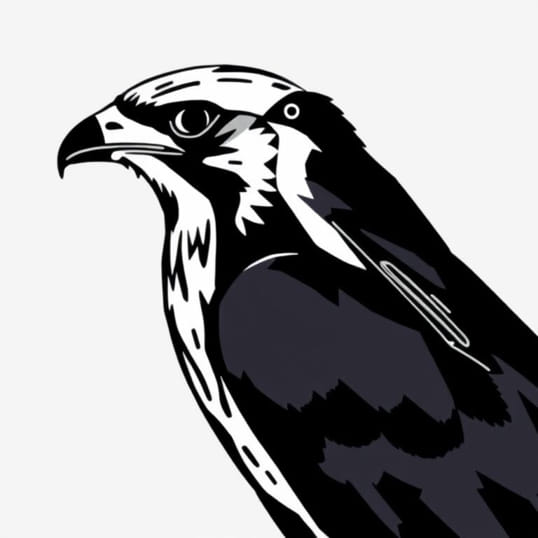
Goshawk Vs Sparrowhawk Size
When comparing birds of prey, one of the most common discussions among birdwatchers is the goshawk vs sparrowhawk size difference. Both species belong to the Accipiter family, sharing sharp talons, hooked beaks, and remarkable hunting skills. However, their size, strength, and hunting style make them quite distinct. Understanding these differences helps bird enthusiasts, researchers, and nature lovers identify them more easily in the wild while appreciating their unique roles in ecosystems.
Overview of Goshawks
The northern goshawk is one of the largest members of the Accipiter group. Known for its power and agility, the goshawk is found across Europe, Asia, and North America. Its broad wings and long tail allow it to navigate dense forests with ease while chasing prey. Because of its imposing presence and size, it often becomes a benchmark for comparing other hawks, especially the sparrowhawk.
Physical Features
- Average length 48-62 cm
- Wingspan 98-127 cm
- Weight 600-1,350 grams depending on sex
- Appearance Bold white eye stripe, slate-gray plumage, and deep chest
Overview of Sparrowhawks
The Eurasian sparrowhawk, on the other hand, is much smaller but equally skilled as a hunter. It is more common in urban and suburban areas, often preying on songbirds. Despite its smaller frame, the sparrowhawk is fast, agile, and capable of sudden bursts of speed, making it an efficient predator in open spaces and wooded areas alike.
Physical Features
- Average length 28-38 cm
- Wingspan 55-70 cm
- Weight 110-350 grams depending on sex
- Appearance Males have bluish-grey upperparts, females are larger with brown plumage
Goshawk vs Sparrowhawk Size Comparison
The most striking difference between goshawk and sparrowhawk is size. The goshawk is nearly double the length of a sparrowhawk and can weigh up to four times more. Its wingspan is also significantly larger, giving it the strength to capture larger prey such as pheasants, rabbits, and even ducks. In contrast, sparrowhawks usually go after smaller prey like finches, sparrows, and starlings.
Direct Size Contrast
- Goshawk length48-62 cm vsSparrowhawk length28-38 cm
- Goshawk wingspan98-127 cm vsSparrowhawk wingspan55-70 cm
- Goshawk weight600-1,350 g vsSparrowhawk weight110-350 g
Sexual Dimorphism in Both Species
Another fascinating point in the goshawk vs sparrowhawk size discussion is the role of sexual dimorphism. In both species, females are larger than males, a common trait among birds of prey. However, the difference is much more dramatic in sparrowhawks, where females can be up to 25% larger than males. This allows them to target slightly larger prey while males focus on smaller, more agile birds.
Why Females Are Bigger
- Helps avoid food competition between sexes.
- Females require more body strength for nesting and egg-laying.
- Males remain smaller for greater agility during hunting.
Hunting and Flight Behavior
The size differences between goshawk and sparrowhawk directly influence their hunting strategies. Goshawks, with their larger size and wingspan, are capable of powerful flights through woodlands, often ambushing prey with a sudden burst of speed. They can tackle larger animals thanks to their strength. Sparrowhawks, in contrast, rely on quick, darting flights, weaving through trees and hedges to surprise smaller birds. Their smaller size makes them masters of agility rather than brute force.
Preferred Prey
- Goshawk Pheasants, rabbits, pigeons, ducks, and other medium-sized animals.
- Sparrowhawk Sparrows, finches, blackbirds, thrushes, and small songbirds.
Habitats and Range
Both goshawks and sparrowhawks share some overlapping habitats, but their size differences mean they often thrive in slightly different environments. Goshawks are more often associated with deep forests and remote areas, where they can hunt undisturbed. Sparrowhawks are more adaptable, frequently spotted in towns, villages, and even gardens, where they take advantage of abundant small birds.
Where to Spot Them
- Goshawk Dense forests, mountainous regions, and remote woodlands.
- Sparrowhawk Suburban gardens, farmland hedgerows, city parks, and woodland edges.
Size and Identification in the Field
For birdwatchers, the goshawk vs sparrowhawk size comparison is crucial for accurate identification. At a distance, plumage may appear similar, but the size difference usually gives them away. A bird with a wingspan over one meter is almost certainly a goshawk, while smaller hawks with more delicate frames are usually sparrowhawks. Behavior also helps in identification, as goshawks soar more powerfully while sparrowhawks dart quickly in short bursts.
Ecological Role of Size Differences
The size gap between goshawks and sparrowhawks also reflects their roles in ecosystems. By targeting different prey sizes, the two species reduce competition for food. Goshawks control populations of larger birds and mammals, while sparrowhawks manage smaller bird populations. This balance helps maintain biodiversity and ensures healthy predator-prey dynamics in their habitats.
The goshawk vs sparrowhawk size debate highlights one of the clearest distinctions between these two raptors. While both belong to the same genus and share similar hunting adaptations, the goshawk’s larger frame allows it to dominate larger prey and remote forests, whereas the sparrowhawk thrives as a smaller, agile predator closer to human settlements. By understanding their size, behavior, and ecological roles, bird enthusiasts gain deeper appreciation for these remarkable hunters of the sky.