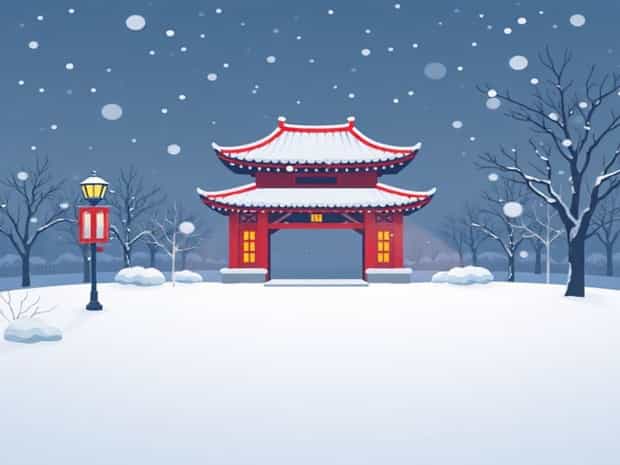
Does It Snow In Suzhou
When people think about Suzhou, they often imagine its classical gardens, silk production, and scenic canals. However, a common question among travelers is whether it actually snows in Suzhou. Since the city is located in the eastern part of China, close to Shanghai, the climate is not as harsh as northern regions. Winters are usually cold and damp, but snowfall is not as frequent as in Beijing or Harbin. Still, snow in Suzhou does happen occasionally, and when it does, it creates a rare and beautiful atmosphere that fascinates locals and visitors alike.
Climate Overview of Suzhou
Suzhou experiences a humid subtropical climate, which means that the city has four distinct seasons. Summers are hot and humid, while winters can be cold, although not extremely harsh. Rainfall is fairly common throughout the year, but snow is relatively rare compared to northern cities.
Winter Temperatures
During winter, Suzhou’s temperatures generally range between 0°C and 8°C (32°F to 46°F). While these temperatures are cold enough for snow, the high humidity and relatively mild averages often result in rain instead of snowfall. However, in colder years, the temperature can drop low enough to allow light snow to form.
Comparison with Northern China
Unlike cities such as Beijing, Harbin, or Shenyang, which experience heavy and consistent snowfalls, Suzhou sees snow only on rare occasions. The geographical location of Suzhou in the Yangtze River Delta contributes to its milder winters. This makes snow a special occurrence rather than a seasonal expectation.
Does It Snow in Suzhou?
Yes, it does snow in Suzhou, but not regularly. On average, Suzhou may experience one or two light snowfalls during the winter months of December, January, or February. These snowfalls are usually short-lived and may melt quickly due to the damp and relatively warmer conditions.
Frequency of Snow
Snow in Suzhou is not guaranteed every winter. Some years may pass without any noticeable snowfall, while others may bring a brief flurry that covers the gardens and streets in a delicate white layer. Residents often look forward to these rare snowfalls as they add a different charm to the city’s already beautiful scenery.
Best Time to See Snow in Suzhou
If you are hoping to see snow in Suzhou, the best chance is in late January or early February, when the temperatures are at their lowest. Even then, it is not certain, but travelers may get lucky during a cold spell.
The Beauty of Suzhou in Snow
Although snow is rare, when it happens, Suzhou transforms into a breathtaking scene. The snow gently covers the traditional rooftops, garden pavilions, and stone bridges, creating a picture-perfect moment. Locals often rush to take photos as the snow may only last for a short time before melting.
Snow in the Classical Gardens
Suzhou’s gardens are among the most famous in China, and seeing them covered in snow is a unique experience. The Humble Administrator’s Garden, Lingering Garden, and Master of the Nets Garden look even more poetic with a light dusting of snow highlighting the plants, rocks, and architectural details.
Snow and the Canals
The city’s canals, often compared to Venice, also take on a magical atmosphere in the snow. The quiet waters reflect the snow-draped bridges and houses, making for serene and unforgettable views.
Practical Travel Tips for Winter
If you plan to visit Suzhou in winter with the hope of experiencing snow, there are some practical things to keep in mind
- Pack Warm ClothingEven if it does not snow, Suzhou winters can feel colder than the temperature suggests due to high humidity.
- Be Prepared for RainRain is far more common than snow in Suzhou during winter, so an umbrella and waterproof shoes are useful.
- Check Weather ForecastsTo catch snow, monitor local forecasts in late January and February.
- Enjoy Indoor AttractionsEven without snow, winter is a great time to visit Suzhou’s museums, tea houses, and silk factories.
Why Snow in Suzhou Feels Special
Part of what makes snow in Suzhou so memorable is its rarity. Unlike northern Chinese cities where snow can last for months, in Suzhou, snowfall feels fleeting and precious. Locals often describe it as a gift from nature, a brief but beautiful pause in the city’s usual winter routine.
Snow in Local Culture
Although not a regular part of Suzhou’s climate, snow is sometimes mentioned in local poetry and art. Traditional Chinese poets often romanticized snow as a symbol of purity and quietness, and Suzhou’s cultural heritage embraces that imagery when the city does experience snowfall.
Alternative Winter Experiences in Suzhou
Even if you do not see snow, Suzhou offers plenty of attractions that are perfect in the winter season. The gardens are less crowded, the air feels crisp, and seasonal foods like hotpot and dumplings make the experience cozy and enjoyable.
- Seasonal CuisineWinter is a great time to enjoy warming dishes in Suzhou’s many restaurants.
- Tea HousesEnjoy traditional tea ceremonies, which are especially comforting on cold days.
- Silk ShoppingSuzhou is famous for silk, and winter is an ideal time to explore silk museums and shops.
- Winter FestivalsIf your visit coincides with Chinese New Year, you can experience local celebrations and lantern displays.
To answer the question, yes, it does snow in Suzhou, but only occasionally. While snow is not the defining feature of Suzhou’s winters, it adds a layer of charm when it does occur. Travelers hoping to see snow should plan their trips during the coldest months and stay flexible with expectations. Even without snow, Suzhou offers a rich cultural and scenic experience that makes it worth visiting in winter. The rare snowfall only enhances the city’s beauty, making it feel like a special seasonal gift.