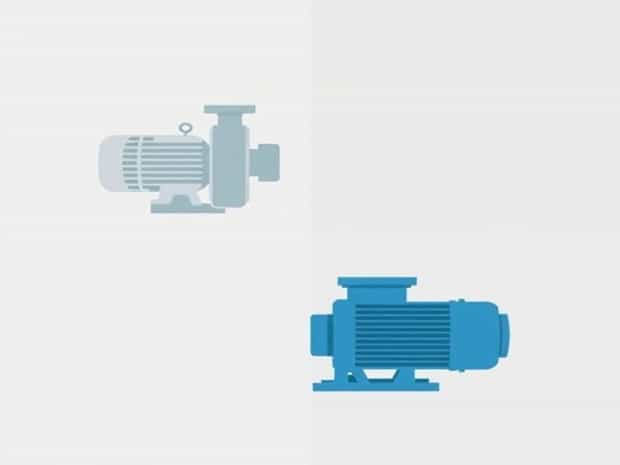
Monoblock Pump Vs Centrifugal Pump
Pumps are critical components in a wide variety of industries, from water treatment and agriculture to oil and gas, power generation, and chemical processing. Selecting the right pump type can significantly impact efficiency, maintenance costs, and overall system performance. Among the most commonly discussed options are monoblock pumps and centrifugal pumps. While both serve the purpose of moving fluids, they differ considerably in design, operation, and applications. Understanding these differences is crucial for engineers, facility managers, and technical professionals aiming to optimize fluid handling systems.
Understanding Monoblock Pumps
A monoblock pump is a type of pump in which the motor and pump are integrated into a single unit without the need for a coupling or separate baseplate. This compact design minimizes alignment issues and reduces space requirements, making monoblock pumps ideal for installations where space is limited. The design also ensures fewer mechanical components, which can lead to lower maintenance requirements and improved reliability over time. Monoblock pumps are often used in industries requiring precise and consistent fluid delivery, such as HVAC systems, water supply networks, and industrial cooling systems.
Key Features of Monoblock Pumps
- Integrated DesignCombines pump and motor in a single unit, reducing alignment problems.
- Compact SizeIdeal for installations with limited space and easier to transport.
- High EfficiencyReduced mechanical losses due to fewer moving parts.
- Low MaintenanceFewer components mean fewer potential points of failure.
- Easy InstallationQuick setup due to the pre-assembled motor-pump configuration.
Understanding Centrifugal Pumps
Centrifugal pumps are among the most widely used pump types in industrial and domestic applications. They operate by converting rotational energy from a motor into kinetic energy, which moves the fluid outward from the pump’s impeller through the pump casing. Centrifugal pumps are versatile and capable of handling a wide range of flow rates and pressures. Unlike monoblock pumps, centrifugal pumps often have a separate motor and pump, connected via a coupling and mounted on a baseplate. This separation allows for easier replacement of components but requires proper alignment during installation.
Key Features of Centrifugal Pumps
- VersatilitySuitable for a wide range of liquids, including clean water, chemicals, and slurries.
- High Flow RatesCapable of delivering large volumes of fluid efficiently.
- Customizable DesignVarious impeller types and materials allow for tailored applications.
- Ease of RepairSeparate motor and pump allow individual component replacement.
- ScalabilityMultiple pump sizes and configurations available for different industrial requirements.
Comparison Monoblock Pump vs Centrifugal Pump
Design and Construction
Monoblock pumps feature an integrated motor-pump design that eliminates the need for a coupling or baseplate. This integration simplifies installation and reduces alignment challenges. In contrast, centrifugal pumps are typically constructed with a separate motor and pump assembly. The connection via a coupling and the use of a baseplate provide flexibility in component replacement and customization, but require careful alignment to ensure optimal performance.
Efficiency and Performance
Monoblock pumps often achieve higher efficiency at lower flow rates due to their streamlined design and reduced mechanical losses. Their compact structure minimizes friction and energy loss. Centrifugal pumps, on the other hand, excel in applications requiring higher flow rates and moderate to high pressures. They can be designed with multiple stages to increase head and handle more demanding fluid transport tasks.
Maintenance Requirements
Maintenance is one of the key distinctions between monoblock and centrifugal pumps. Monoblock pumps have fewer mechanical components, reducing the likelihood of failure and the need for frequent servicing. Centrifugal pumps, while versatile, require periodic alignment checks, lubrication, and inspection of couplings and bearings. However, centrifugal pumps offer easier replacement of individual parts without replacing the entire unit.
Applications
- Monoblock PumpsIdeal for HVAC systems, small-scale water supply, industrial cooling, and low-flow fluid transfer where compact size and reliability are crucial.
- Centrifugal PumpsWidely used in large-scale water treatment, chemical processing, irrigation systems, and any application requiring high flow rates or variable pressure handling.
Cost Considerations
Monoblock pumps are generally more cost-effective in terms of initial installation and reduced maintenance expenses. Their integrated design can lower the total lifecycle cost for small to medium-scale applications. Centrifugal pumps may involve higher initial costs due to their complex assembly and baseplate requirements but offer scalability and flexibility that justify the investment in industrial or large-scale operations.
Choosing the Right Pump
When deciding between a monoblock pump and a centrifugal pump, several factors should be considered
- Flow Rate and Pressure RequirementsDetermine if your application requires high flow rates or high head, which may favor centrifugal pumps.
- Space AvailabilityMonoblock pumps are preferable in compact installations.
- Maintenance CapabilitiesConsider whether ease of maintenance or reduced servicing is more important for your operation.
- Budget ConstraintsEvaluate initial costs versus long-term maintenance and operational efficiency.
- Fluid TypeEnsure compatibility with the type of liquid being pumped, including corrosive, abrasive, or slurry fluids.
Both monoblock pumps and centrifugal pumps have unique advantages, making them suitable for different industrial and commercial applications. Monoblock pumps offer compact design, higher efficiency at lower flow rates, and reduced maintenance, making them ideal for smaller systems or installations with space limitations. Centrifugal pumps provide versatility, higher flow capacities, and customization options suitable for large-scale operations requiring significant fluid transport capabilities. By understanding the differences in design, performance, maintenance, and cost, engineers and facility managers can select the pump that best meets their operational needs, ensuring efficiency, reliability, and long-term performance.