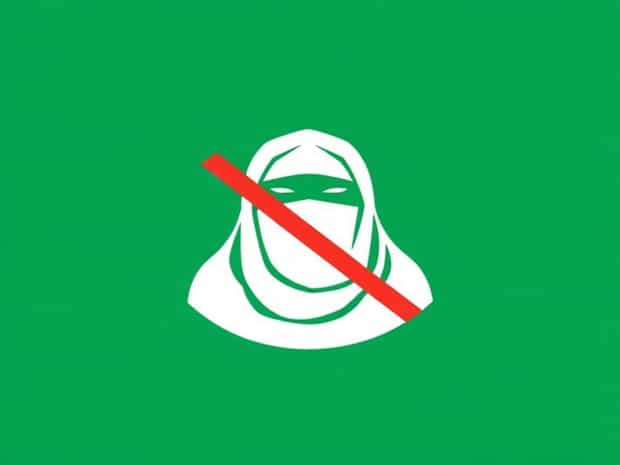
Burqa Ban In Tajikistan
The issue of the burqa ban in Tajikistan has drawn significant international attention, reflecting the broader tensions between state policy, cultural identity, and religious freedom. In recent years, Tajik authorities have implemented measures restricting the wearing of full-face Islamic veils, citing security concerns, secular governance principles, and the promotion of national identity. These measures have sparked debate both within the country and abroad, as they touch upon fundamental rights, women’s autonomy, and the delicate balance between religion and the state in a post-Soviet society. Understanding the context, implementation, and impact of the burqa ban requires examining the historical, social, and political dynamics of Tajikistan.
Historical and Cultural Context
Tajikistan, a Central Asian nation with a predominantly Muslim population, has experienced significant cultural and religious shifts over the past century. During the Soviet era, the government promoted secularism, discouraged public displays of religion, and often restricted Islamic practices. This history has influenced contemporary attitudes toward religious expression, including clothing. After gaining independence in 1991, Tajikistan faced the challenge of balancing Islamic traditions with secular state governance, particularly amid political instability and civil conflict.
Islamic Practices in Tajikistan
While the majority of Tajiks identify as Sunni Muslims, religious practice varies widely across the population. Many women historically wore headscarves or traditional attire, while full-face veils such as the burqa were less common. The government’s concern over the burqa often links to perceptions of extremism, foreign influence, and social conservatism. These concerns are shaped by regional trends, including conflicts in neighboring Afghanistan and Uzbekistan, where extremist groups have promoted strict interpretations of Islamic dress.
Implementation of the Burqa Ban
The burqa ban in Tajikistan primarily targets public spaces such as government offices, educational institutions, and workplaces. Authorities argue that the ban is necessary for security reasons, including preventing concealment of identity and ensuring safety in public areas. Officials have also framed the policy as a measure to uphold secularism and reinforce national cultural norms, emphasizing the importance of social cohesion and integration.
Legal Framework
Tajikistan’s legislation and administrative regulations provide the foundation for the burqa ban. Government statements highlight compliance with national security protocols and public order laws. While the legal framework does not explicitly criminalize wearing a burqa in private, public enforcement has included fines, warnings, and in some cases, removal from state-run facilities. The laws reflect the broader goal of limiting visible religious symbols in state-managed spaces, aligning with the government’s long-standing secular orientation.
Social and Political Reactions
The burqa ban has elicited diverse reactions among Tajik citizens, political actors, and international observers. Supporters argue that the ban enhances public security, promotes gender equality, and prevents the spread of extremist ideologies. Critics, however, claim that it infringes upon personal freedom, religious rights, and women’s autonomy. The debate highlights the tension between state authority and individual rights, particularly in a society with deep religious roots.
Impact on Women
Women are directly affected by the burqa ban, as the policy dictates clothing choices in public spaces. Some women view the ban as liberating, allowing them greater freedom of movement without social pressure to adhere to strict dress codes. Others feel marginalized or coerced, particularly in conservative communities where wearing the burqa is tied to personal faith or cultural identity. The policy has also sparked discussions about gender equality, with debates focusing on whether the ban empowers women or restricts their religious expression.
Political Implications
The ban is closely linked to Tajikistan’s political landscape, where the government seeks to maintain control over religious expression and social behavior. Authorities use the policy to reinforce secular governance, assert state authority, and prevent the rise of radical ideologies. Political analysts note that such measures can strengthen national unity but may also provoke tension with religious communities and human rights organizations. Internationally, the policy has drawn scrutiny from groups advocating for religious freedom and women’s rights.
Comparison with Other Countries
Tajikistan’s burqa ban can be understood within the broader context of global debates on religious dress. Several countries, including France, Belgium, and Uzbekistan, have implemented similar restrictions, citing security, integration, or secularism. However, the social, cultural, and political contexts differ. In Tajikistan, the ban intersects with post-Soviet secular policies, regional security concerns, and the nation’s unique historical relationship with Islam. Comparisons highlight how governments navigate the balance between public policy and individual rights in diverse cultural settings.
Regional Security Concerns
The Central Asian region has experienced tensions related to extremism, including the influence of foreign militant groups and the promotion of radical ideologies. The Tajik government frames the burqa ban as part of broader efforts to counteract extremism and ensure national security. By regulating religious symbols in public spaces, authorities aim to prevent the adoption of radical practices that could destabilize society. Critics argue, however, that such measures may inadvertently marginalize moderate religious communities.
International Perspectives and Human Rights
International organizations and human rights advocates have expressed concern over the burqa ban, emphasizing that restrictions on religious dress can conflict with principles of freedom of religion and individual autonomy. Reports highlight the need for policies that balance security with respect for personal rights. Some observers suggest that engagement, education, and dialogue with religious communities could provide alternative approaches that achieve security objectives without imposing blanket bans.
Balancing Security and Freedom
The debate over the burqa ban underscores the challenge of balancing public security with personal freedoms. Policymakers in Tajikistan argue that restrictions are necessary to protect citizens and maintain social order. At the same time, ensuring that these measures do not disproportionately impact women or restrict religious practice is crucial for maintaining legitimacy and public trust. Finding this balance remains a central issue for the government and civil society organizations alike.
The burqa ban in Tajikistan reflects the complex interplay of security, secular governance, cultural identity, and religious freedom. While the government emphasizes safety and social cohesion, the policy has significant social and political implications, particularly for women and religious communities. Reactions range from support for enhanced public order to criticism over restrictions on personal and religious liberties. As Tajikistan continues to navigate these challenges, the burqa ban serves as a case study in how modern states confront the tension between tradition, religion, and state authority. Understanding the ban requires considering historical context, regional security, human rights, and the broader goals of nation-building, illustrating the ongoing complexities of governance in a diverse and evolving society.