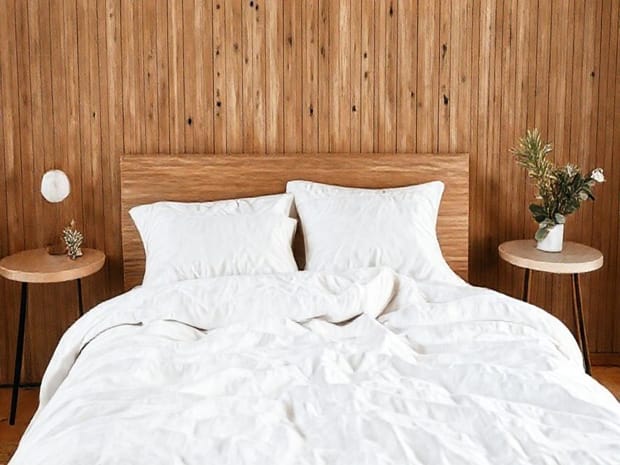
How To Make A Bedspread
Creating a bedspread is a rewarding project for anyone interested in home décor or sewing. A bedspread not only adds warmth and comfort to a bedroom but also enhances its aesthetic appeal. Making a custom bedspread allows you to choose fabrics, colors, and patterns that perfectly match your personal style. Whether you are a beginner or an experienced sewer, understanding the steps involved in designing, measuring, cutting, and assembling a bedspread is essential for achieving a professional-looking result. By following practical techniques and tips, you can create a durable and visually appealing bedspread that transforms your bedroom ambiance.
Choosing the Right Fabric
The first step in making a bedspread is selecting the appropriate fabric. Fabric choice affects both the look and the durability of the finished product. Consider the climate, intended use, and washing preferences when selecting fabric. Cotton and cotton blends are popular due to their breathability and ease of care. Linen offers a luxurious feel and natural texture, while synthetic fabrics like polyester provide durability and resistance to wrinkles. Quilted fabrics can add extra warmth and texture, making them ideal for cooler climates.
Factors to Consider
- DurabilityChoose a fabric that can withstand regular use and washing without fraying or fading.
- Color and PatternSelect colors and patterns that complement your bedroom décor. Solid colors provide versatility, while patterns can add visual interest.
- WeightHeavier fabrics create a more substantial bedspread, whereas lighter fabrics are easier to handle and suitable for layering.
- TextureConsider smooth fabrics for a sleek look or textured fabrics for added depth and dimension.
Measuring and Cutting
Accurate measurements are critical to making a bedspread that fits perfectly. Begin by measuring the mattress dimensions, including length, width, and any overhang you want on each side. Standard overhangs typically range from 8 to 12 inches on each side, depending on your preference. Once measurements are complete, mark your fabric using tailor’s chalk or a fabric marker. Use a sharp rotary cutter or fabric scissors to ensure clean, precise cuts. Cutting multiple layers at once can help maintain consistency if you plan to create a quilted or layered bedspread.
Preparing the Fabric
Before cutting, wash and iron your fabric. Pre-washing prevents shrinkage after the bedspread is made, ensuring the final product maintains its size and shape. Ironing removes wrinkles, making it easier to cut and sew accurately. When working with multiple fabric layers, pin them together carefully to prevent shifting during cutting.
Assembling the Bedspread
The assembly process involves sewing the main pieces together and adding any decorative elements. Start by sewing the central panels, ensuring all seams are aligned. Use a sewing machine with a straight stitch for strong, even seams. For a polished finish, consider pressing each seam open with an iron as you go. If your bedspread includes quilted sections, layer the batting and fabric together, then sew along the desired quilt lines.
Adding Edges and Borders
Adding a border or edge can enhance the bedspread’s appearance and provide additional strength. Cut strips of fabric for the borders, matching or complementing the main fabric. Pin the borders around the bedspread, then sew them carefully, mitering the corners for a neat, professional look. Finishing edges with binding or hemming ensures that the bedspread will remain durable and resistant to fraying over time.
Decorative Touches
Personalize your bedspread with decorative touches such as embroidery, appliqué, or fabric paint. Embroidery adds texture and intricate designs, while appliqué allows you to incorporate additional fabric shapes or patterns. Fabric paint can be used to create custom designs or stencils. Keep in mind that adding decorative elements may require additional time and precision, but the results can make your bedspread truly unique.
Quilting Options
Quilting not only enhances the aesthetic appeal but also adds warmth and structure. Choose from various quilting patterns such as straight lines, diagonal grids, or intricate motifs. Hand quilting provides a traditional, artisanal feel, whereas machine quilting is faster and produces consistent results. Make sure to secure all layers properly to prevent shifting during use and washing.
Finishing the Bedspread
Once the assembly and decorative touches are complete, finish the bedspread with careful attention to detail. Trim any excess threads, check for uneven edges, and give the entire piece a final press with an iron. Washing the bedspread according to the fabric’s care instructions ensures that it is clean, soft, and ready for use. Consider storing the bedspread in a breathable cotton bag when not in use to maintain its condition.
Tips for Longevity
- Choose high-quality thread to prevent seams from unraveling over time.
- Reinforce corners and high-stress areas to avoid wear and tear.
- Wash the bedspread gently using mild detergent and avoid harsh chemicals.
- Rotate the bedspread occasionally to distribute wear evenly.
Common Mistakes to Avoid
When making a bedspread, avoid common pitfalls such as inaccurate measurements, skipping pre-washing, or neglecting seam finishing. Inaccurate measurements can result in an ill-fitting bedspread, while unwashed fabric may shrink after completion. Skipping seam finishing can lead to fraying and a shorter lifespan for the bedspread. Taking your time with each step ensures a durable and visually appealing result.
Making a bedspread is a creative and fulfilling project that allows you to tailor your bedroom décor to your personal taste. By carefully selecting fabric, measuring accurately, and following structured assembly steps, you can produce a beautiful, durable, and functional bedspread. Adding borders, quilting, and decorative touches further enhances its uniqueness and appeal. With proper finishing and care, your handmade bedspread can provide comfort and style for many years, making it a valuable addition to your home. Whether you are a beginner or an experienced sewer, mastering the process of creating a bedspread opens the door to endless customization possibilities and a deeper appreciation for textile craftsmanship.