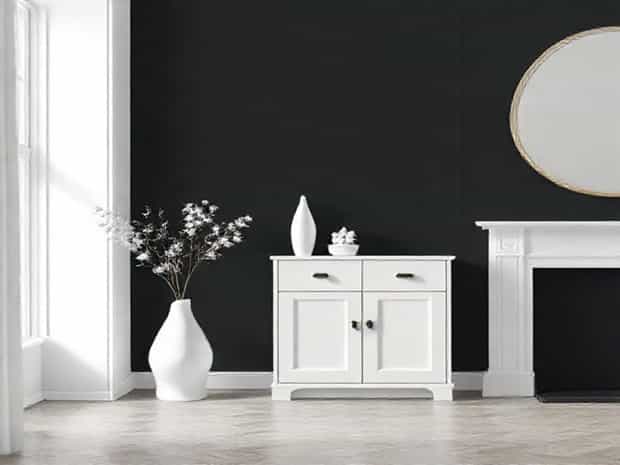
James White Farrow And Ball
James White by Farrow and Ball is one of those timeless paint colors that effortlessly combines elegance with versatility. Known for its soft, fresh quality, James White has become a favorite among homeowners, interior designers, and decorators seeking a color that feels clean yet inviting. Unlike stark whites, this shade carries subtle undertones that shift depending on lighting, making it adaptable to both traditional and contemporary spaces. Whether used on walls, ceilings, or woodwork, James White by Farrow and Ball creates an atmosphere of calm sophistication while enhancing natural light in a room. Understanding how to use it effectively can transform a space into something truly special.
The Character of James White
James White is not a pure, brilliant white but a soft off-white that has a gentle hint of green undertones. These undertones give the color warmth and depth, ensuring it never feels too clinical or flat. The result is a fresh yet subtle finish that works beautifully in rooms where natural light is an important feature. Many people describe James White as a shade that feels alive, since it shifts character throughout the day, offering cooler tones in the morning and warmer hues in evening light.
Why the Name James White?
Farrow and Ball is well-known for giving creative names to their paint shades, often with a historical or personal story behind them. James White was inspired by an early advisor to the company, making it more than just a decorative paint it’s a nod to the brand’s heritage. The name adds a sense of tradition and character that complements the paint’s timeless appeal.
How James White Appears in Different Lighting
One of the most important things to know about James White by Farrow and Ball is how much lighting affects its appearance. In a north-facing room, it may lean toward a slightly cooler tone, with the green undertones becoming more noticeable. In south-facing rooms, it reflects light warmly, creating a cozy and soft atmosphere. This adaptability makes it a versatile color choice for various environments, but it also means testing samples in your own space is essential.
Pairing James White with Other Colors
James White is versatile enough to work with a wide range of colors. It pairs beautifully with earthy neutrals, deeper greens, and muted blues, as well as warmer shades like taupe or beige. For a striking contrast, it can be used alongside dark tones such as Railings or Hague Blue, which emphasize its fresh lightness. Designers often use James White for walls while complementing it with richer shades on trims, doors, or accent pieces.
Best Rooms for James White
This color shines in different parts of the home thanks to its soft and adaptable nature. It brings out the best in rooms that benefit from light and space, yet it can also make smaller rooms feel brighter without overwhelming them. Here are some of the most popular uses
- Living RoomsCreates an inviting backdrop for furniture, textiles, and artwork, while keeping the space airy.
- BedroomsOffers a calming, serene environment that works well with natural materials and soft fabrics.
- KitchensWorks perfectly on cabinetry and walls, balancing freshness with warmth, especially when paired with wooden counters or floors.
- HallwaysMakes narrow spaces feel brighter and more open, while still maintaining character.
- BathroomsComplements both modern fittings and vintage styles, giving a clean but not harsh finish.
How to Use James White Effectively
To get the best results from James White, think carefully about finish, application, and surrounding materials. Farrow and Ball offers a range of finishes, from Estate Emulsion for a classic matte look to Modern Emulsion for a more durable option. Choosing the right finish ensures the paint not only looks great but also functions well in its environment.
Combining with Natural Materials
James White is particularly stunning when paired with natural materials. Wooden floors, stone fireplaces, rattan furniture, and linen textiles all enhance the paint’s organic undertones. This makes it a great choice for rustic, farmhouse, or Scandinavian-inspired interiors that emphasize simplicity and nature.
Layering with Other Whites
For a subtle and refined look, James White can be layered with other off-whites and creams. Combining it with slightly warmer or cooler whites creates depth without harsh contrasts. This approach works especially well in minimalist spaces where texture and tone replace bold color combinations.
Design Styles That Suit James White
The adaptability of James White means it suits a wide range of interior styles. Its quiet elegance makes it perfect for traditional spaces, while its freshness fits seamlessly into modern designs. Below are some design styles where James White particularly excels
- Traditional HomesComplements classic architectural details like crown moldings, wainscoting, and fireplaces.
- Modern MinimalismProvides a clean backdrop that enhances sharp lines and simple furniture.
- Country StyleMatches beautifully with rustic wood, floral fabrics, and antique furniture.
- Scandinavian DesignEnhances light, space, and simplicity, especially when paired with natural textures.
- Urban ChicWorks well with industrial materials like metal and exposed brick for a softer balance.
Maintenance and Durability
Like all Farrow and Ball paints, James White is formulated with high-quality pigments, giving it exceptional depth and durability. It resists fading, ensuring that the subtle undertones remain visible over time. To maintain its beauty, regular cleaning with a soft, damp cloth is usually sufficient. In high-traffic areas such as kitchens or hallways, choosing a durable finish like Modern Emulsion helps ensure the paint withstands everyday wear.
Why James White Remains Popular
James White remains one of Farrow and Ball’s most beloved shades because it strikes a balance between simplicity and character. It’s neutral without being bland, fresh without being cold, and timeless without feeling outdated. This balance makes it appealing for both homeowners seeking a long-lasting design and professionals aiming to create flexible, adaptable interiors.
James White by Farrow and Ball is much more than just a white paint it’s a nuanced shade with depth, personality, and adaptability. From its subtle green undertones to its ability to transform in different lighting, it offers a timeless elegance that works in a wide range of spaces and design styles. Whether you’re redecorating a bedroom, refreshing a kitchen, or modernizing a hallway, James White brings brightness, calm, and sophistication to your home. Its versatility ensures that it will remain a favorite for years to come, proving that sometimes the simplest colors carry the greatest impact.