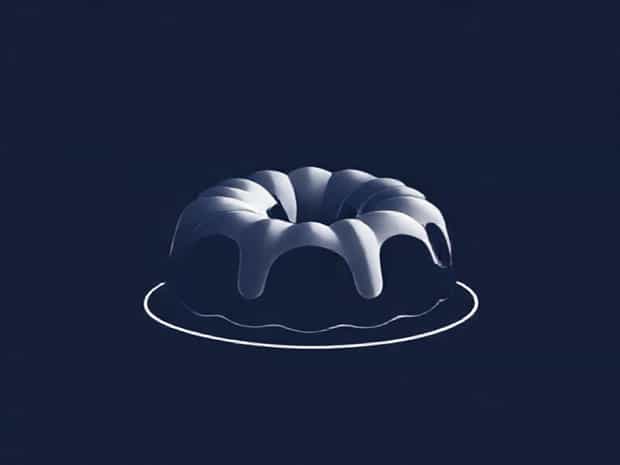
It’S A Bundt Cake
Bundt cake is a type of cake that has captured the hearts of bakers and dessert lovers worldwide for its distinctive shape and versatility. Unlike traditional cakes that are baked in flat or round pans, a bundt cake is made in a specialized pan that creates a decorative ring, often with fluted or grooved sides. The name bundt has become synonymous with a style of cake that is not only visually appealing but also allows for even baking and a delightful texture. Understanding the history, types, and preparation of bundt cakes provides insight into why this dessert remains a beloved staple in kitchens across the globe.
History of Bundt Cake
The bundt cake has its origins in European baking traditions, particularly from Germany, where cakes like kugelhopf were baked in similar ring-shaped molds. The modern bundt pan, however, was popularized in the United States during the mid-20th century. The brand name Bundt was trademarked by the Nordic Ware company in the 1950s, and it quickly gained popularity after a bundt cake called the Tunnel of Fudge won a national baking competition. Since then, bundt cakes have become a symbol of home baking, appreciated for their ease of preparation, impressive presentation, and adaptability to various cake flavors.
European Influence
- Inspired by traditional German kugelhopf and other European ring cakes.
- Baking techniques emphasized even cooking and decorative presentation.
- Introduced to American bakers in the 1950s through specialized pans.
What Makes a Bundt Cake Unique?
One of the defining features of a bundt cake is the pan in which it is baked. The bundt pan is typically made of cast aluminum or nonstick materials and has a central tube, creating a ring shape. The fluted or grooved sides allow the cake to hold more surface area, which enhances browning and creates a visually appealing exterior. This shape also helps the cake bake evenly, reducing the likelihood of undercooked centers. Because of the pan’s unique design, bundt cakes often look elegant without additional decoration, although glazes, powdered sugar, or frosting can be added for extra flair.
Characteristics of a Bundt Cake
- Ring-shaped with a central hole.
- Fluted or grooved sides for decorative appeal.
- Even baking due to increased surface area.
- Versatile in flavor and texture, suitable for both simple and elaborate cakes.
Common Flavors and Variations
Bundt cakes are extremely versatile and can be made in a wide variety of flavors and textures. Classic options include vanilla, chocolate, lemon, and marble cakes, while more modern recipes incorporate ingredients like pumpkin, banana, or even savory elements. The structure of the bundt cake allows bakers to experiment with fillings, glazes, and frostings without compromising the shape or stability of the cake. Seasonal variations, such as spiced bundt cakes for autumn or fruit-filled versions for summer, make this dessert adaptable to any occasion.
Popular Flavors
- Chocolate bundt cake with rich cocoa or chocolate chips.
- Lemon bundt cake with zesty glaze.
- Marble bundt cake combining chocolate and vanilla swirls.
- Pumpkin or spice-flavored bundt cake for seasonal appeal.
- Fruit or nut-filled bundt cakes for added texture and flavor.
How to Bake a Bundt Cake
Baking a bundt cake requires some attention to detail, particularly when preparing the pan and batter. Properly greasing and flouring the pan is crucial to prevent sticking and preserve the intricate design of the cake. Bundt cakes generally use denser batters, which hold the shape better during baking. After baking, it’s essential to allow the cake to cool slightly before inverting it onto a serving platter. The end result is a visually striking cake with a moist interior and a golden-brown exterior that can be enhanced with glazes, drizzles, or powdered sugar.
Steps to Bake a Perfect Bundt Cake
- Grease and flour the bundt pan thoroughly to prevent sticking.
- Prepare a dense cake batter suitable for bundt cakes.
- Pour the batter evenly into the pan, filling about two-thirds full.
- Bake according to recipe instructions, usually longer than standard cakes due to thickness.
- Allow the cake to cool slightly before carefully inverting it onto a serving plate.
- Decorate with glazes, frosting, or powdered sugar as desired.
Serving and Presentation
One of the charms of a bundt cake is its presentation. The unique shape often requires minimal decoration, yet it appears elegant on any dessert table. Bundt cakes can be served plain, dusted with powdered sugar, drizzled with a glaze, or topped with fresh fruit or nuts. The central hole is ideal for drizzling sauces or even inserting decorative elements for festive occasions. The versatility in presentation makes bundt cakes suitable for casual family gatherings, holiday celebrations, and formal events alike.
Presentation Ideas
- Classic powdered sugar dusting for a simple, elegant look.
- Chocolate or citrus glaze drizzled over the top.
- Fresh berries, edible flowers, or nuts arranged for decoration.
- Layered glaze with contrasting colors for a dramatic effect.
Nutritional Considerations
Bundt cakes vary widely in nutritional content depending on ingredients and preparation. Traditional recipes with butter, sugar, and flour are indulgent desserts, high in calories and carbohydrates. However, many modern recipes incorporate healthier alternatives such as whole grain flours, reduced sugar, or plant-based fats. Additionally, bundt cakes can be made in smaller portions due to their ring shape, allowing for controlled serving sizes. While often considered a treat, bundt cakes can be adapted to meet dietary preferences or restrictions without sacrificing flavor or appearance.
Tips for Healthier Bundt Cakes
- Use whole wheat or almond flour instead of all-purpose flour.
- Replace some sugar with natural sweeteners or reduced sugar options.
- Incorporate fruits, nuts, or vegetables for added nutrients.
- Serve in smaller slices to control portion sizes.
A bundt cake is more than just a dessert; it is a combination of tradition, design, and culinary creativity. Its distinctive ring shape, achieved through specialized pans, sets it apart from standard cakes and offers both aesthetic appeal and functional baking advantages. With countless flavor options, glazing techniques, and presentation ideas, bundt cakes remain a popular choice for both everyday indulgence and special occasions. Understanding the history, characteristics, and versatility of bundt cakes allows bakers and dessert enthusiasts to appreciate not only the visual beauty but also the rich texture and delightful flavors that this iconic cake delivers. Whether served plain, glazed, or elaborately decorated, it’s a bundt cake that embodies both simplicity and sophistication in one remarkable dessert.