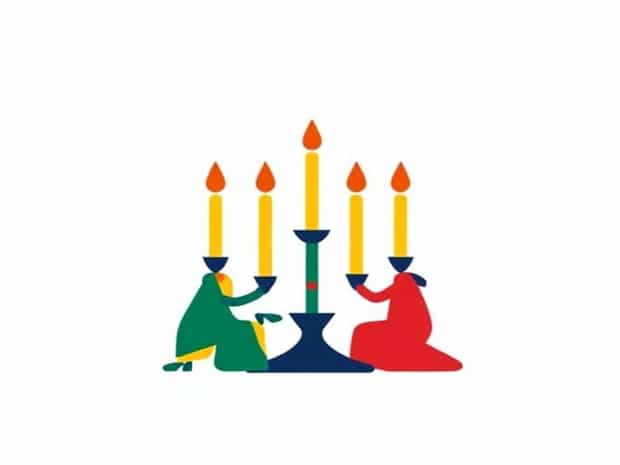
Joyous Kwanzaa Meaning In English
The phrase joyous Kwanzaa carries both cultural significance and heartfelt meaning when used in English. Kwanzaa is more than just a seasonal celebration; it is a cultural holiday rooted in African traditions that highlight unity, community, and shared values. When people say joyous Kwanzaa in English, it reflects a warm wish of happiness, prosperity, and togetherness during the seven days of observance. Exploring its deeper meaning helps to understand why this phrase resonates with millions and why it continues to be a meaningful expression each year.
Understanding the Concept of Kwanzaa
Kwanzaa is a week-long holiday celebrated from December 26 to January 1. It was created in 1966 by Dr. Maulana Karenga as a way to honor African heritage, culture, and community. Unlike other winter holidays, Kwanzaa is not religious but cultural, focusing on values that strengthen families and neighborhoods.
The Seven Principles
Each day of Kwanzaa highlights one principle, known as the Nguzo Saba, which are central to its meaning
- Umoja (Unity)To maintain unity in family, community, nation, and race.
- Kujichagulia (Self-Determination)To define and name ourselves and create our own future.
- Ujima (Collective Work and Responsibility)To build and maintain our community together.
- Ujamaa (Cooperative Economics)To support businesses and wealth within the community.
- Nia (Purpose)To make our collective vocation the building of community and culture.
- Kuumba (Creativity)To do as much as we can to make our community more beautiful and beneficial.
- Imani (Faith)To believe in people, leaders, and the struggle for justice.
The Meaning of Joyous Kwanzaa in English
When translated into English, the phrase joyous Kwanzaa combines the emotional expression of joy with the holiday itself. It is equivalent to saying Merry Christmas or Happy Hanukkah, but carries cultural depth specific to African American heritage. The word joyous emphasizes happiness, harmony, and celebration, while Kwanzaa grounds the phrase in cultural pride and unity.
A Greeting of Warmth
In English, saying joyous Kwanzaa is a way of sending positive energy. It communicates more than politeness it acknowledges cultural traditions, family gatherings, and the values that make the holiday meaningful. The greeting also promotes inclusivity, showing respect for those who celebrate.
How People Use the Greeting
The phrase is used in many contexts during the holiday season. It can be spoken in person, written in cards, posted on social media, or included in holiday decorations. In workplaces, schools, and communities, joyous Kwanzaa serves as a reminder of cultural diversity and the importance of shared values.
Examples of Usage
- In conversation Wishing you a joyous Kwanzaa filled with love and unity.
- In greeting cards May your family enjoy a joyous Kwanzaa and a prosperous new year.
- In social media posts Celebrating culture, unity, and community. Joyous Kwanzaa to all who observe!
Symbols Associated with Joyous Kwanzaa
The holiday is marked by symbols that enhance the meaning of the greeting. Each item reflects a cultural or spiritual element of African heritage. These symbols help explain why the phrase joyous Kwanzaa carries such depth when expressed in English.
Key Symbols
- KinaraThe candle holder with seven candles representing the seven principles.
- MkekaThe mat that represents foundation and tradition.
- MazaoFruits and vegetables that symbolize harvest and collective labor.
- Kikombe cha UmojaThe unity cup used to honor togetherness.
- GiftsOften handmade to reflect creativity and heritage.
Why the Word Joyous Matters
Unlike happy, the word joyous suggests a deeper and more lasting form of happiness. It is often linked to celebration, harmony, and spiritual fulfillment. Saying joyous Kwanzaa reflects not only momentary cheer but also a wish for long-lasting positivity within the family and community.
Cultural Respect
Using joyous Kwanzaa in English also shows respect for cultural traditions. It is not just about acknowledging the holiday but also honoring the values behind it. By using this phrase, speakers affirm the importance of heritage and collective strength.
Celebrations That Reflect Joyous Kwanzaa
The meaning of the greeting is reinforced through the way Kwanzaa is celebrated. Families gather, stories are shared, and cultural traditions are honored. The joy expressed in the phrase becomes a lived experience throughout the week.
Ways People Celebrate
- Lighting candles on the kinara each evening to represent the seven principles.
- Cooking traditional meals inspired by African heritage.
- Engaging in music, dance, and storytelling that reflect cultural pride.
- Exchanging meaningful gifts, often handcrafted.
The Role of Joyous Kwanzaa in Modern Society
In English-speaking countries, the greeting has gained recognition as part of holiday inclusivity. Alongside Merry Christmas and Happy Holidays, joyous Kwanzaa appears in public announcements, workplaces, and community events. This reflects a broader acknowledgment of cultural diversity.
Bridging Cultures
For many, using this greeting is a way to honor African American culture while promoting unity across different backgrounds. It highlights shared human values like family, cooperation, and purpose, which transcend cultural boundaries.
How to Incorporate Joyous Kwanzaa into Daily Life
The phrase does not have to be limited to greetings during the holiday season. It can inspire actions and attitudes throughout the year. Living the principles of Kwanzaa unity, creativity, purpose can help extend the meaning of the phrase beyond December.
Everyday Applications
- Promoting unity in neighborhoods and workplaces.
- Supporting small businesses and cooperative economics.
- Using creativity to uplift communities.
- Strengthening family bonds through shared traditions.
In English, joyous Kwanzaa is more than just a seasonal greeting. It reflects deep cultural values rooted in heritage, unity, and community strength. The phrase communicates happiness, respect, and inclusivity, reminding everyone of the importance of shared traditions and collective growth. Whether spoken, written, or lived out through celebration, the phrase continues to hold powerful meaning, making Kwanzaa a holiday that goes beyond words and becomes a true expression of joy and purpose.