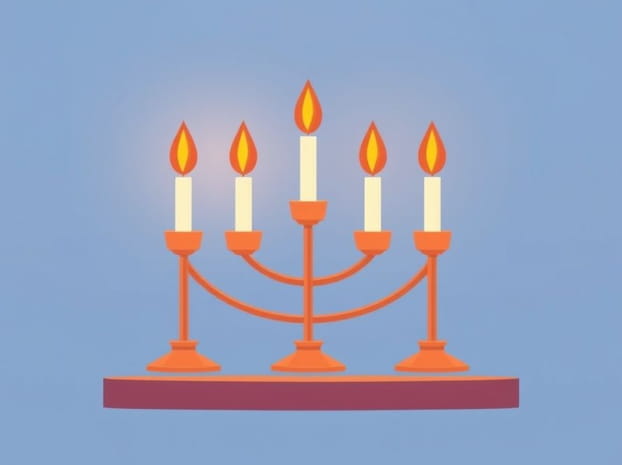
Eighth Night Of Hanukkah
The eighth night of Hanukkah marks the culmination of the Jewish festival of lights, a celebration that commemorates the rededication of the Second Temple in Jerusalem and the miracle of the oil that burned for eight days. Families gather together to light the final candle on the menorah, sharing in songs, prayers, and traditional foods that have been passed down through generations. This night is often considered the most joyous of Hanukkah, symbolizing hope, perseverance, and the triumph of light over darkness. It provides a time for reflection on faith, community, and the importance of keeping traditions alive in modern times.
The Significance of the Eighth Night
The eighth night of Hanukkah carries special significance for several reasons. It represents the completion of the miracle of the oil, which burned for eight days despite there being only enough oil for one day. This event is central to the Hanukkah story, illustrating the power of faith and divine intervention. Lighting the eighth candle symbolizes perseverance and the enduring spirit of the Jewish people. For many families, the eighth night is a moment to gather together, celebrate accomplishments, and express gratitude for health, family, and community.
The Menorah and Candle Lighting
On the eighth night of Hanukkah, all eight candles of the menorah are lit along with the shamash, the helper candle used to light the others. The ritual begins with blessings and prayers, recited before lighting the candles. The menorah is typically placed in a prominent window or central location in the home, symbolizing the spreading of light into the world. Each night of Hanukkah, an additional candle is added until the eighth night, making the menorah fully illuminated. This progressive lighting reinforces the themes of growth, hope, and increasing light over darkness.
Traditional Prayers and Blessings
During the eighth night of Hanukkah, families recite the traditional blessings over the candles. These include theBlessing of the Candles, theShehecheyanublessing, and theHallelprayers. TheShehecheyanuis especially significant on the eighth night, as it expresses gratitude for reaching this joyful occasion. Singing traditional Hanukkah songs such as Maoz Tzur and Hanukkah, Oh Hanukkah adds to the celebratory atmosphere and connects participants to centuries of cultural and religious heritage.
Customs and Traditions of the Eighth Night
The eighth night of Hanukkah is often marked by a variety of customs and family traditions that enhance the festive mood. Many households exchange gifts on this night, particularly for children, making it a time of giving and celebration. Playing games like dreidel, which has Hebrew letters representing the phrase A great miracle happened there, is a common activity that teaches the story of Hanukkah in a fun and interactive way. Foods fried in oil, such as latkes (potato pancakes) and sufganiyot (jelly-filled doughnuts), are enjoyed to honor the miracle of the oil.
Family Gatherings and Community Events
Families often host special dinners or gatherings on the eighth night to celebrate the conclusion of Hanukkah. Community centers and synagogues may organize events, candle-lighting ceremonies, and performances that bring together people of all ages. These gatherings strengthen the sense of community, encourage the sharing of stories, and reinforce cultural identity. The eighth night, therefore, is not only about personal reflection but also about celebrating collective heritage and ensuring that traditions are passed down to future generations.
Reflection and Spiritual Meaning
Beyond the festivities, the eighth night of Hanukkah holds deep spiritual significance. It provides an opportunity for introspection, prayer, and contemplation of the values symbolized by the holiday. The lights of the menorah remind participants of the importance of faith, resilience, and maintaining hope in difficult times. Lighting all eight candles serves as a metaphor for fully embracing these principles, casting light on both personal and communal journeys. Many people use this night to reaffirm their commitments to family, faith, and the betterment of society.
Educational Aspects and Teaching Moments
The eighth night of Hanukkah offers valuable teaching moments, especially for children. Parents and educators often use this occasion to share the history of Hanukkah, the story of the Maccabees, and the significance of the miracle of the oil. Activities like reading books, performing plays, and engaging in arts and crafts projects help young participants connect with the holiday on a personal level. By understanding the historical and spiritual background, children gain a deeper appreciation for the traditions they celebrate.
Incorporating Modern Celebrations
While rooted in tradition, the eighth night of Hanukkah has also adapted to modern times. Families may use electric menorahs for convenience or celebrate with virtual gatherings to include relatives who are far away. Social media and online resources allow people to share their celebrations, recipes, and Hanukkah stories, creating a wider community of observance. Even in contemporary contexts, the essence of the eighth night remains the same to honor history, celebrate miracles, and foster connections among family and community members.
Symbolism of Light and Continuity
The eighth night emphasizes the symbolism of light, which is central to Hanukkah. Each candle represents hope, resilience, and the power of faith to overcome adversity. The cumulative lighting of the menorah over eight nights signifies growth, progress, and the increasing influence of positive energy in the world. The final night, with all eight candles illuminated, serves as a reminder that perseverance and unity can triumph over challenges. This symbolism extends beyond religious practice, offering lessons applicable to everyday life and personal growth.
Global Observance of Hanukkah
While Hanukkah is primarily celebrated within Jewish communities, the eighth night holds cultural significance for many families worldwide. Diaspora communities maintain the tradition, ensuring that younger generations understand their heritage. Public displays, menorah lightings in city centers, and cultural programs help raise awareness and promote intercultural understanding. The eighth night of Hanukkah thus becomes both a religious observance and a celebration of cultural identity on a global scale.
The eighth night of Hanukkah is a momentous occasion that encapsulates the core themes of the festival faith, perseverance, community, and light. From the lighting of the final candle on the menorah to the joyous gatherings, prayers, and traditional foods, it represents both the culmination of the miracle of the oil and the enduring spirit of Jewish tradition. Families and communities around the world come together to celebrate, reflect, and share in the cultural and spiritual heritage that Hanukkah embodies. Whether through educational activities, modern adaptations, or timeless rituals, the eighth night remains a powerful reminder of hope, resilience, and the importance of keeping traditions alive for future generations.