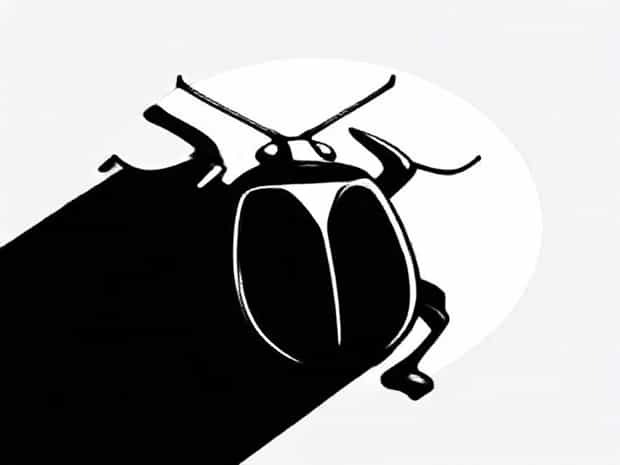
Is Stink Bug Dangerous
Stink bugs are insects that have garnered attention due to their distinctive odor and increasing presence in homes and gardens across various regions. While many people find them unpleasant and disruptive, there is often confusion about whether stink bugs are truly dangerous to humans, pets, or the environment. Understanding the biology, behavior, and potential risks of stink bugs can help homeowners and gardeners respond appropriately to infestations. This topic explores the characteristics of stink bugs, the threats they pose, and effective strategies for managing them safely.
What Are Stink Bugs?
Stink bugs belong to the family Pentatomidae and are known for their shield-shaped bodies and the ability to release a strong, unpleasant odor when threatened or crushed. They are commonly brown or green, with some species exhibiting distinctive markings on their backs. Stink bugs are native to various parts of the world, but invasive species such as the brown marmorated stink bug have spread widely, causing agricultural and household challenges. These insects primarily feed on plant juices, piercing fruits, vegetables, and crops with their specialized mouthparts, which can cause significant agricultural damage.
Behavior and Habitat
Stink bugs are both outdoor and indoor pests. In the warmer months, they are active in gardens and fields, feeding on fruits, vegetables, and ornamental plants. As temperatures drop in autumn, stink bugs seek shelter indoors, entering homes through cracks, gaps, and poorly sealed windows or doors. While indoors, they do not reproduce or infest furniture, but their presence can be a nuisance. Their defensive odor, which can linger on surfaces, contributes to their reputation as bothersome pests.
Are Stink Bugs Dangerous to Humans?
For the average person, stink bugs are not considered dangerous. They do not bite, sting, or transmit diseases to humans. The primary health concern associated with stink bugs is their odor, which can trigger mild allergic reactions or respiratory discomfort in sensitive individuals. Some people may experience skin irritation if they handle stink bugs directly, but this is uncommon. Overall, while the smell is unpleasant and can cause minor discomfort, stink bugs are not toxic or venomous and do not pose a significant health threat to humans.
Impact on Pets and Livestock
Stink bugs are generally harmless to pets such as dogs and cats. However, if a pet tries to eat a stink bug, the insect’s odor and chemical defenses may cause mild nausea or drooling. Stink bugs do not carry diseases that affect pets, and severe reactions are extremely rare. Livestock and larger animals are also not typically affected by stink bugs, as these insects do not feed on animals or transmit infections.
Threats to Agriculture
While stink bugs are not dangerous to humans, they can be highly destructive to agriculture. These insects feed on a wide range of crops, including tomatoes, corn, beans, apples, peaches, and ornamental plants. Their feeding behavior involves piercing the plant tissue and sucking out sap, which can result in deformed fruits, reduced yields, and damaged seeds. The economic impact of stink bug infestations can be significant, especially in regions where invasive species have established themselves. Farmers often implement integrated pest management strategies to control stink bug populations and minimize crop losses.
Environmental Considerations
Stink bugs, especially invasive species, can disrupt local ecosystems. By outcompeting native insects for food and habitat, they can alter the balance of local insect populations. Despite this, stink bugs do not pose direct environmental hazards to humans, pets, or wildlife. Their main impact is ecological and agricultural rather than health-related.
Managing Stink Bug Infestations
Effective stink bug management involves prevention, monitoring, and control. Homeowners can reduce indoor infestations by sealing entry points, repairing screens, and removing attractants such as outdoor lights. Outdoor measures include monitoring gardens, using row covers on crops, and encouraging natural predators like birds and beneficial insects. In severe infestations, chemical insecticides may be used, but these should be applied carefully to minimize environmental impact and protect non-target species.
Safe Handling Tips
- Do not crush stink bugs, as this releases their strong odor.
- Use gloves or a tissue when handling individual insects.
- Vacuum or gently sweep indoor stink bugs into a container for removal.
- Consider natural deterrents or essential oils that repel stink bugs without using harsh chemicals.
- Monitor garden crops regularly to detect early infestations and reduce damage.
Stink bugs, while unpleasant and sometimes problematic, are not dangerous to humans or pets. Their primary impact is on agriculture and indoor nuisance levels due to their strong odor. Understanding their behavior, habitats, and potential risks allows homeowners and gardeners to take appropriate measures to manage stink bugs safely and effectively. By implementing preventive strategies and responsible control methods, it is possible to minimize the inconvenience and crop damage associated with these insects. In summary, stink bugs are more of an annoyance than a health threat, but awareness and proactive management are key to coexisting with these widespread insects.