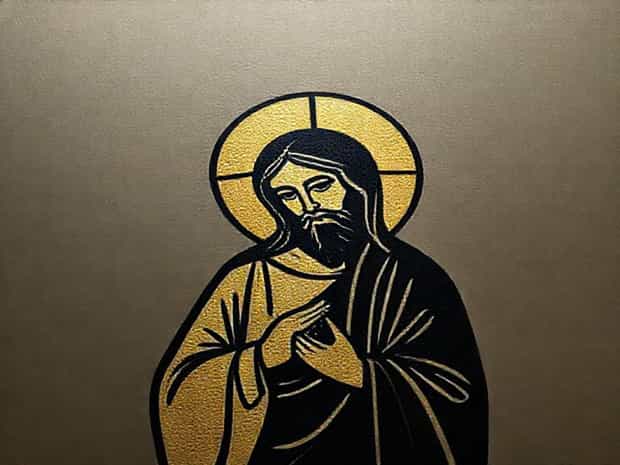
Is Icon Veneration Necessary For Salvation?
The question of whether icon veneration is necessary for salvation has been a topic of theological discussion for centuries. Icon veneration, or the respectful honoring of religious images, is particularly prominent in Eastern Orthodox and some Eastern Catholic traditions. These images, known as icons, are not worshiped in themselves but are venerated as windows into the divine, guiding the faithful toward a deeper connection with God. Understanding the role of icon veneration in spiritual life requires examining its historical development, theological foundations, and the differing perspectives within Christianity regarding its necessity for salvation.
Historical Background of Icon Veneration
The practice of venerating icons has deep roots in Christian history, especially after the establishment of the early Church. Icons became prominent in the Eastern Church around the 4th and 5th centuries, with the development of Christian art serving to educate believers and inspire devotion. During the Byzantine period, icons were used to communicate biblical stories, depict saints, and express theological truths visually. The veneration of icons became formalized through the decisions of church councils, notably the Second Council of Nicaea in 787 AD, which affirmed the legitimacy of honoring icons while condemning their worship as idolatry.
Theological Foundations of Icon Veneration
The theology behind icon veneration is rooted in the belief that God became incarnate in Jesus Christ, making the invisible visible. Icons serve as visual representations that point toward divine realities, helping believers meditate on the life of Christ, the Theotokos, and the saints. Veneration of icons is seen as a way to honor God and His work in the world, fostering a sense of reverence, prayer, and spiritual reflection. Importantly, the distinction between veneration (proskynesis) and worship (latreia) is emphasized, ensuring that honor given to icons is directed toward God rather than the material object itself.
Role of Icon Veneration in Salvation
Salvation in Christian theology is generally understood as deliverance from sin and its consequences, leading to eternal life with God. Most traditions agree that salvation is granted through faith in Jesus Christ, repentance, and adherence to God’s commandments. In this context, icon veneration is viewed as a spiritual aid rather than a requirement for salvation. It provides a visual focus for prayer and meditation, helping believers cultivate devotion and moral discipline. While icon veneration enhances spiritual practice, it is not considered an absolute prerequisite for being saved according to mainstream Christian doctrine.
Icons as Spiritual Tools
- Encourage prayer Icons help believers focus their minds and hearts during prayer.
- Teach theological truths They communicate biblical narratives and the lives of saints visually.
- Inspire moral imitation By venerating saints depicted in icons, believers are encouraged to emulate their virtues.
- Strengthen faith Icons act as reminders of God’s presence and the reality of divine grace.
Different Christian Perspectives
Christian traditions vary in their approach to icon veneration. The Eastern Orthodox Church emphasizes icons as integral to worship, but always in a way that directs attention to God. The Catholic Church also accepts the use of religious images, while cautioning against superstition or misunderstanding their role. Conversely, many Protestant traditions reject icon veneration, emphasizing that salvation comes solely through faith in Christ and scripture, and that visual representations are not necessary for spiritual growth. Despite these differences, all major traditions affirm that faith, repentance, and God’s grace are central to salvation.
Orthodox View
In the Orthodox tradition, icons are deeply embedded in liturgical and devotional life. Veneration is seen as a legitimate expression of love for God and the saints. Icons are present in churches, homes, and personal prayer spaces, offering spiritual guidance. While highly valued, Orthodox theology maintains that salvation is not contingent on the act of venerating icons but on faith, participation in the sacraments, and a life aligned with God’s commandments.
Catholic View
The Catholic Church similarly supports the use of sacred images in fostering devotion. Veneration of icons, statues, and paintings is considered a way to honor God and learn from the example of holy figures. Catholic teaching distinguishes between worship due to God alone and veneration offered to images. Salvation is understood as a gift of God’s grace, accessible through faith, the sacraments, and living a life of charity. Icon veneration enriches spiritual life but is not mandatory for salvation.
Protestant View
Many Protestant denominations, particularly those influenced by the Reformation, reject the veneration of icons. They emphasize direct access to God through scripture and prayer, without the need for visual intermediaries. For Protestants, salvation is obtained through faith in Christ alone, and while religious art may inspire devotion, it is not considered necessary for attaining eternal life. This perspective highlights the principle of sola fide, or faith alone, as central to salvation.
Pastoral and Spiritual Considerations
While icon veneration is not required for salvation, it offers practical and spiritual benefits for believers who choose to practice it. Icons can deepen one’s prayer life, provide comfort in times of distress, and serve as visual reminders of God’s promises. For families, icons can be used in home prayer corners to cultivate a shared spiritual environment. Their presence can strengthen faith, especially among children and new believers, by offering tangible representations of abstract spiritual truths.
Integrating Icons into Personal Devotion
- Use icons as a focal point for daily prayer or meditation.
- Reflect on the life of Christ, Mary, or the saints depicted in the icons.
- Incorporate scripture reading with visual meditation to enhance understanding.
- Use icons as teaching tools for younger family members or new believers.
Icon veneration is a meaningful and enriching practice within Christianity, especially in the Orthodox and Catholic traditions. It provides spiritual guidance, inspiration, and a tangible connection to divine realities, helping believers focus their prayer and devotion. However, it is not necessary for salvation, which is rooted in faith in Jesus Christ, repentance, and adherence to God’s commandments. Christians may choose to venerate icons as a valuable tool for spiritual growth, but salvation ultimately depends on God’s grace, faith, and a life lived in alignment with His will. By understanding the role of icon veneration, believers can engage with it thoughtfully, appreciating its benefits without confusing it with the essential requirements of salvation.