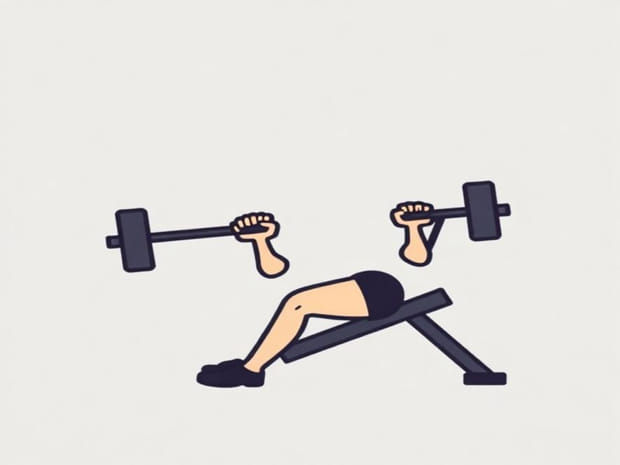
Incline For Incline Dumbbell Curls
Incline dumbbell curls are a highly effective exercise for targeting the biceps brachii, particularly the long head, which contributes to the peak and overall shape of the upper arm. The angle of the incline bench plays a critical role in optimizing the exercise, as it influences the range of motion, muscle stretch, and contraction intensity. Understanding the proper incline and technique can enhance the effectiveness of the curls, prevent strain on the elbows and shoulders, and maximize bicep growth over time. This topic explores the best incline angles, variations, and tips for performing incline dumbbell curls safely and efficiently.
Understanding Incline Dumbbell Curls
Incline dumbbell curls differ from traditional bicep curls by using an incline bench to position the body backward. This position changes the mechanics of the movement, providing a greater stretch on the biceps at the starting position. The exercise emphasizes the long head of the biceps, which runs along the outer part of the upper arm and is essential for achieving a full and defined bicep shape.
Muscles Worked
- Biceps BrachiiBoth the long head and short head are activated, with the incline angle placing extra emphasis on the long head.
- BrachialisA deeper muscle underneath the biceps that contributes to arm thickness.
- Forearm FlexorsStabilize the wrist during the curling motion.
Properly targeting these muscles requires understanding how the incline angle affects the stretch and contraction during the curl.
The Role of Incline Angle
The incline angle of the bench is a key variable in incline dumbbell curls. It determines the starting position of the arms relative to the torso, which affects muscle tension and the range of motion. Generally, an incline angle between 45 and 60 degrees is recommended, but the optimal angle can vary depending on individual flexibility, arm length, and training goals.
Optimal Incline Range
- 45 DegreesProvides a moderate stretch and allows for controlled movement. Ideal for beginners and those focusing on balanced bicep development.
- 50-55 DegreesOffers an increased stretch on the long head while maintaining comfort in the shoulders. Many intermediate and advanced lifters prefer this range.
- 60 DegreesMaximizes the initial stretch, which can enhance muscle activation but may increase shoulder stress. Use caution and lighter weights if choosing this angle.
Experimenting within this range allows individuals to find a comfortable angle that maximizes bicep engagement without causing discomfort.
How to Perform Incline Dumbbell Curls
Executing incline dumbbell curls with proper form ensures maximum benefit and minimizes injury risk. The following steps outline the correct technique
- Set an incline bench to the desired angle, typically between 45 and 55 degrees.
- Sit back on the bench with a dumbbell in each hand, arms fully extended and hanging straight down at your sides.
- Keep your elbows close to your torso and avoid swinging your arms as you curl the dumbbells upward.
- Contract the biceps at the top of the movement and slowly lower the weights back to the starting position, maintaining control.
- Repeat for the desired number of repetitions, focusing on a smooth, controlled tempo.
Maintaining proper posture and avoiding momentum is crucial to targeting the biceps effectively. Leaning too far forward or backward can reduce tension and shift the load away from the intended muscles.
Benefits of Incline Dumbbell Curls
Enhanced Bicep Stretch
By positioning the arms behind the torso, incline dumbbell curls place the biceps under greater stretch compared to standard curls. This stretch stimulates the long head, promoting hypertrophy and improving the arm’s overall shape.
Improved Muscle Isolation
The incline position reduces the involvement of other muscles, such as the shoulders, making it easier to isolate the biceps. This targeted activation helps maximize strength and growth in the upper arms.
Increased Range of Motion
Incline curls allow the arms to extend fully at the bottom of the movement, increasing the range of motion. This full movement is beneficial for muscle development and flexibility.
Variations and Modifications
Several variations of incline dumbbell curls can enhance training results or accommodate individual needs
- Alternating Incline CurlsCurl one arm at a time, focusing on control and peak contraction.
- Hammer Grip Incline CurlsHold the dumbbells with a neutral grip to target the brachialis and forearms.
- Incline Curl with TwistRotate the wrist as you curl, supinating at the top to enhance bicep peak activation.
- Lightweight High-Rep SetsUse lighter dumbbells for higher repetitions to increase endurance and pump without overloading joints.
Modifying grip, weight, or repetition schemes allows for variety and continued progress.
Common Mistakes to Avoid
- Using Excessive WeightLifting too heavy can cause swinging, reduce tension on the biceps, and increase injury risk.
- Incorrect Bench AngleToo flat reduces stretch, while too steep may strain the shoulders. Stick within the recommended 45-60 degree range.
- Elbows Moving ForwardKeep elbows fixed and close to the torso to ensure proper bicep engagement.
- Rushed MovementsFocus on controlled tempo for both upward and downward phases to maximize effectiveness.
Integrating Incline Dumbbell Curls into a Workout
Incline dumbbell curls can be incorporated into various training programs, from beginner routines to advanced arm workouts. A sample arm day might include
- Warm-up 5-10 minutes of light cardio and dynamic arm stretches.
- Incline Dumbbell Curls 3-4 sets of 10-12 repetitions.
- Barbell or Dumbbell Standard Curls 3 sets of 12-15 repetitions.
- Tricep Exercises Skull crushers or tricep pushdowns for balanced arm development.
- Finisher Hammer curls or cable curls for additional arm pump.
Integrating incline dumbbell curls with complementary exercises ensures balanced arm strength, promotes hypertrophy, and reduces the risk of imbalances.
The incline for incline dumbbell curls plays a critical role in maximizing bicep activation and growth. A bench angle between 45 and 55 degrees is optimal for most individuals, providing an effective stretch while maintaining safety and comfort. Proper technique, controlled movements, and variations such as alternating curls or hammer grip modifications further enhance results. Including incline dumbbell curls in a structured arm routine helps develop the long head of the biceps, improve range of motion, and build overall arm strength. By avoiding common mistakes, experimenting with angles, and consistently performing the exercise, individuals can achieve well-defined, strong, and proportionate biceps over time.