How To Shower When Camping
Camping in the great outdoors is an exciting adventure, but it also comes with challenges, especially when it comes to personal hygiene. Showering while camping may seem difficult, but with the right approach, it can be both practical and refreshing. Staying clean not only improves comfort but also helps prevent skin irritation and infections. Learning how to shower when camping involves understanding the types of camping showers available, setting up a suitable shower area, using water efficiently, and choosing appropriate toiletries that are environmentally friendly. By following these tips, campers can maintain cleanliness even in remote locations.
Types of Camping Showers
When planning how to shower while camping, it is important to know the different types of showers available. The right choice depends on your camping style, the resources available, and your personal preferences.
Solar Showers
Solar showers are a popular choice for campers because they are lightweight, portable, and eco-friendly. These showers use the sun’s energy to warm water inside a black bag, which can then be hung from a tree or hook. Key tips for using a solar shower include
- Fill the bag with water and leave it in direct sunlight for several hours to heat.
- Hang the bag at a height that allows gravity to provide water flow.
- Use the attached nozzle or hose to direct water efficiently over your body.
Portable Pump Showers
For those who prefer more control over water temperature and pressure, portable pump showers are ideal. These showers often use a battery-powered pump to deliver water through a nozzle. Advantages include faster water flow, consistent pressure, and often warmer water compared to solar showers. To use effectively
- Ensure the pump is fully charged or bring spare batteries.
- Fill the water container with sufficient water for your shower duration.
- Adjust the nozzle for a comfortable spray and conserve water by turning it off between rinsing sections.
Natural Water Sources
Some campers opt to shower using lakes, rivers, or streams. While this method requires no equipment, it is important to prioritize safety and environmental responsibility. Guidelines include
- Check local regulations to ensure swimming or bathing is allowed.
- Use biodegradable soap sparingly to prevent water contamination.
- Avoid areas with strong currents or unsafe terrain.
- Rinse off in shallow, calm areas to minimize the risk of accidents.
Setting Up a Shower Area
Creating a designated shower area at a campsite is essential for both privacy and practicality. Even simple measures can make a big difference in comfort and hygiene. Consider the following
Privacy Solutions
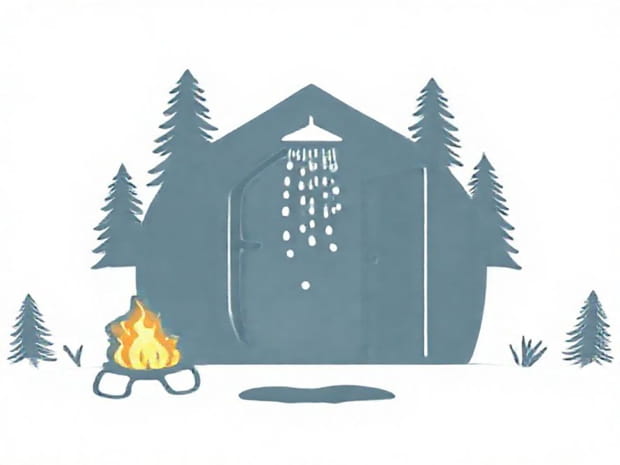
Privacy can be achieved with portable shower tents, tarps, or natural coverings such as bushes. Shower tents are lightweight, easy to set up, and provide a safe space for changing and washing. Tarps can be suspended using ropes or bungee cords to create a temporary enclosure. Ensure that the shower area is stable and provides enough room for movement.
Water Drainage and Environmental Care
Proper drainage is important to prevent water pooling and mud. Choose a flat area with natural drainage or create a slight slope. Avoid washing directly on soil or sensitive vegetation. Collect wastewater in a container for proper disposal, or let it disperse in an area far from campsites and water sources. Following Leave No Trace principles ensures minimal environmental impact.
Using Water Efficiently
Water is often limited while camping, so conserving it during showers is crucial. Efficient water use keeps the campsite clean and ensures enough water for other essential needs like cooking and drinking.
Short Showers
Limit shower time to a few minutes to reduce water consumption. Wet your body first, turn off the water while lathering, and then rinse quickly. This method uses water efficiently without sacrificing cleanliness. Consider breaking the shower into sections, washing hair first, followed by body, and rinsing at the end.
Using Minimal Soap
Using biodegradable soap in small amounts minimizes water contamination and reduces the need for excessive rinsing. Apply soap with a washcloth or sponge to control usage. Focus on areas that accumulate sweat and dirt to ensure thorough cleaning while conserving resources.
Practical Tips for Showering While Camping
In addition to equipment and setup, several practical strategies can enhance the camping shower experience
Timing and Temperature
Consider the best time of day to shower. Morning showers can refresh you for the day, while evening showers help remove dirt and sweat accumulated during outdoor activities. Solar showers work best after the sun has heated the water, typically late morning or early afternoon. For cold weather camping, try warming water on a portable stove before filling the shower bag to maintain comfort.
Clothing and Towels
Bring quick-drying towels and lightweight, moisture-wicking clothing for after your shower. Microfiber towels are ideal for camping because they are compact, absorbent, and dry quickly. Avoid heavy fabrics that retain water, as they may become uncomfortable in outdoor conditions.
Hygiene and Safety
Keep safety in mind when setting up your shower area. Ensure stable footing to prevent slips, especially on wet or uneven ground. Use non-slip mats or natural materials such as flat stones. Carry extra water for rinsing if soap residue remains, and always wash away from natural water sources to protect the environment.
Alternative Cleaning Options
If a full shower is not feasible, consider alternative methods to maintain hygiene while camping
- Use wet wipes or biodegradable body wipes for a quick clean.
- Spot clean with a damp washcloth or small bucket of water.
- Hand sanitizer for hands and face when water is limited.
- Dry shampoo or no-rinse hair products to keep hair clean without using water.
Showering while camping can be simple and enjoyable with proper planning and the right equipment. Whether using a solar shower, portable pump, or natural water source, creating a private and efficient shower setup is key to comfort and hygiene. Conserving water, using biodegradable soap, and following environmental guidelines ensure that your outdoor experience remains safe and sustainable. With practical tips on setup, water management, and alternative cleaning methods, campers can stay clean, refreshed, and healthy even in remote locations. Embracing these techniques allows for a more enjoyable and comfortable adventure in the great outdoors.