How To Clock Time
Clocking time is a skill that has been essential to human society for centuries, influencing everything from daily routines to industrial productivity. Whether for personal time management, work tracking, or scientific measurements, understanding how to accurately clock time is crucial. Modern technology offers digital solutions, but traditional methods, such as using analog clocks or timekeeping devices, remain valuable for precise measurement. Learning the principles behind tracking time, interpreting readings, and recording it systematically can enhance efficiency and ensure accountability in various contexts.
Understanding the Concept of Clocking Time
Clocking time involves more than just reading a clock; it requires an awareness of intervals, consistency, and accuracy. Time is a continuous and measurable quantity, and being able to track it correctly allows individuals and organizations to plan, schedule, and optimize activities. The term clocking often refers to recording the duration of an event or marking the time of arrival and departure, commonly used in workplaces, schools, and other structured environments.
Different Methods of Clocking Time
There are multiple ways to clock time, each suited for different purposes. Selecting the right method ensures accurate records and useful data.
1. Using Analog Clocks
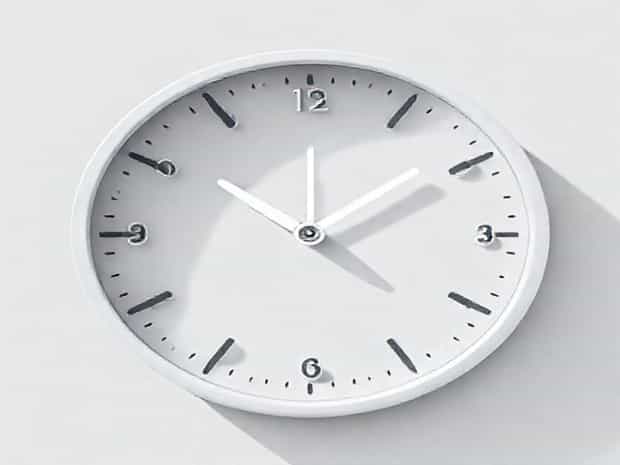
Analog clocks display time through hour, minute, and sometimes second hands. To clock time with an analog clock
- Observe the position of the hour and minute hands carefully.
- Note the time at the start and end of an activity to calculate duration.
- Use a stopwatch feature, if available, for more precise measurements.
Analog clocks are particularly useful when digital devices are unavailable or in settings where a visual representation of passing time is beneficial.
2. Using Digital Clocks
Digital clocks provide a straightforward numerical display of hours, minutes, and sometimes seconds. Clocking time digitally is often easier because
- They provide an exact readout of the current time.
- Many digital clocks include timers and alarms for recording specific intervals.
- Data can be logged electronically, reducing manual errors.
Digital methods are widely used in workplaces and laboratories where precision is critical.
3. Timekeeping Software and Apps
With the rise of smartphones and computers, time-tracking applications have become an efficient tool for clocking time. These apps allow users to
- Record start and end times automatically.
- Calculate total hours worked or spent on tasks.
- Generate reports for productivity analysis.
Time-tracking software is particularly useful for freelancers, remote workers, and project managers who need to monitor multiple tasks accurately.
4. Manual Time Sheets
Before digital solutions became common, manual time sheets were the standard for recording hours. This method involves
- Writing down the start and finish times of tasks or shifts.
- Summing hours to determine total time spent.
- Keeping organized records for payroll or project tracking.
Although less efficient than digital methods, manual sheets are still relevant in areas where technology is limited or for simple time tracking needs.
Techniques for Accurate Clocking
Accuracy is key when clocking time. Here are techniques to ensure precise time measurement
1. Consistent Observation
Always note the exact moment an activity starts and ends. Avoid approximations, as even small discrepancies can affect overall calculations.
2. Use of Stopwatch Functions
Stopwatches, whether physical or digital, are ideal for measuring elapsed time. Press the start button at the beginning and stop it exactly when the activity concludes.
3. Recording Intervals
For activities with multiple phases, record intermediate times. This helps in analyzing each segment accurately and provides a detailed time log.
4. Synchronizing Clocks
When using multiple devices, ensure that all clocks are synchronized. Inconsistencies between devices can result in inaccurate total time calculations.
Applications of Clocking Time
Clocking time is applied in various contexts, each benefiting from accurate measurement.
1. Workplace and Payroll
Employers use time clocks or digital systems to record employee work hours. Accurate clocking ensures fair pay, compliance with labor laws, and effective scheduling.
2. Project Management
In projects, tracking time spent on different tasks helps managers assess productivity, allocate resources, and estimate project completion times more effectively.
3. Sports and Fitness
Athletes and coaches clock time to monitor performance, track progress, and plan training sessions. Precise measurement is crucial for assessing improvements and setting benchmarks.
4. Scientific Experiments
In scientific research, time measurement is critical. Experiments often require accurate timing for reactions, observations, and data collection to ensure valid results.
Tips for Effective Time Clocking
- Choose a method that suits your context analog, digital, software, or manual logs.
- Maintain consistency in recording times to avoid errors.
- Review recorded data regularly to detect discrepancies.
- Use alarms or reminders to mark the start and end of activities.
- Keep a backup of digital records to prevent data loss.
Clocking time is an essential skill for managing personal activities, workplace responsibilities, and scientific or athletic endeavors. By understanding the principles of time measurement and selecting the appropriate methods whether analog, digital, or manual you can achieve accurate and reliable results. Consistency, careful observation, and the use of supportive tools such as stopwatches or software ensure that every moment is tracked correctly. Mastering the art of clocking time not only enhances productivity but also fosters a disciplined approach to daily schedules, project management, and personal efficiency.