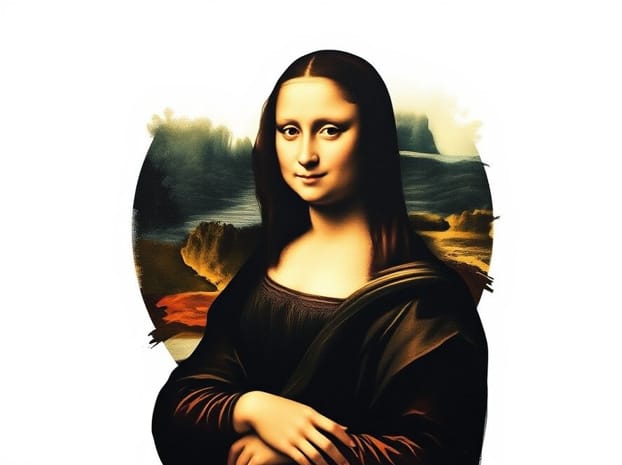
How Painted The Mona Lisa
The Mona Lisa is arguably the most famous painting in the world, captivating millions of viewers with her enigmatic smile and mysterious gaze. This masterpiece has inspired countless discussions, theories, and admiration across centuries. Many people are curious about the origins of this iconic artwork, wondering who painted it, when it was created, and what makes it so remarkable. Understanding the story behind the Mona Lisa offers a glimpse into the genius of the artist and the cultural context of the Renaissance period. The identity of the painter, the techniques used, and the history of the artwork all contribute to the enduring fascination it holds today.
The Artist Behind the Mona Lisa
The Mona Lisa was painted by Leonardo da Vinci, one of the most influential figures of the Italian Renaissance. Born in 1452 in Vinci, Italy, Leonardo was not only a painter but also an inventor, engineer, scientist, and thinker. His diverse interests and exceptional talent made him a true polymath. Leonardo’s artistic skills were evident from an early age, and he was trained in Florence under the guidance of Andrea del Verrocchio, a prominent painter and sculptor of the time.
Leonardo da Vinci’s approach to painting was revolutionary. He studied anatomy, light, and perspective in great detail, which allowed him to create more lifelike and realistic artworks than many of his contemporaries. The Mona Lisa exemplifies his mastery in these areas, showcasing his ability to portray human emotion and subtle facial expressions with extraordinary precision. The painting’s fame today is a testament to Leonardo’s unique vision and artistic genius.
The Creation of the Mona Lisa
The Mona Lisa is believed to have been painted between 1503 and 1506, though some scholars suggest that Leonardo continued working on it until as late as 1517. The painting was commissioned by Francesco del Giocondo, a wealthy Florentine merchant, and it is thought to depict his wife, Lisa Gherardini. This is why the painting is also known as La Gioconda in Italian.
Leonardo used oil paints on a poplar wood panel to create the Mona Lisa. One of the most remarkable aspects of the painting is the sfumato technique, which Leonardo mastered. Sfumato involves the delicate blending of colors and tones to create soft transitions between light and shadow. This technique gives the Mona Lisa her lifelike appearance and her mysterious smile, which seems to change when viewed from different angles.
Techniques and Artistic Innovations
- SfumatoThis signature technique allows subtle gradations of light and shadow, creating depth and realism.
- ChiaroscuroThe use of strong contrasts between light and dark enhances the three-dimensional quality of the figure.
- PerspectiveLeonardo carefully structured the background landscape to complement the subject, demonstrating his understanding of atmospheric perspective.
- Anatomical AccuracyDetailed knowledge of human anatomy helped Leonardo depict realistic hands, facial features, and posture.
These innovations made the Mona Lisa a benchmark for portrait painting. Artists who came after Leonardo were inspired by his techniques and the subtle emotional depth he captured. The combination of scientific study and artistic creativity in Leonardo’s work is one reason why the Mona Lisa continues to fascinate both art lovers and scholars.
The Legacy of Leonardo da Vinci
Leonardo da Vinci’s impact extends far beyond the Mona Lisa. His notebooks, filled with sketches, scientific observations, and engineering designs, reveal a mind constantly exploring the mysteries of the natural world. Leonardo’s ability to combine art and science set a precedent for future generations, influencing countless fields from anatomy to engineering. The Mona Lisa, as his most famous painting, embodies this integration of observation, intellect, and creativity.
Today, the Mona Lisa resides in the Louvre Museum in Paris, where it attracts millions of visitors annually. Its fame has grown due to both its artistic brilliance and the intrigue surrounding its history, including theft, vandalism, and numerous studies of its techniques and subjects. Each of these events adds to the mystique of Leonardo’s work, ensuring that the painting remains a symbol of artistic achievement and human curiosity.
The Cultural Significance of the Mona Lisa
Beyond its artistic value, the Mona Lisa has become a cultural icon. Her image appears in countless reproductions, advertisements, and even parodies, making her recognizable worldwide. Scholars and enthusiasts continue to debate the secrets behind her smile, the identity of the sitter, and the methods Leonardo used to achieve such a perfect balance of realism and emotion.
The painting’s allure also lies in its ability to connect viewers with the past. Leonardo da Vinci lived over 500 years ago, yet through the Mona Lisa, people today can experience a moment of Renaissance artistry and insight. The careful observation, technical skill, and creative imagination that Leonardo poured into this work continue to inspire artists, historians, and audiences alike.
The Mona Lisa was painted by Leonardo da Vinci, whose extraordinary talent and innovative techniques revolutionized the art of portraiture. From his meticulous study of anatomy to his pioneering use of sfumato and chiaroscuro, Leonardo created a painting that transcends time and continues to captivate viewers. The combination of technical mastery, emotional depth, and cultural significance makes the Mona Lisa a true masterpiece. Understanding who painted the Mona Lisa and how it was created not only enriches our appreciation of art but also highlights the enduring genius of Leonardo da Vinci. His work remains a bridge between the past and the present, reminding us of the limitless potential of human creativity.