How Much Is A Roof Truss
When planning to build or renovate a home, understanding the cost of a roof truss is essential for budgeting and construction planning. Roof trusses are structural frameworks that support the roof and distribute weight evenly to the walls of a building. The price of a roof truss can vary widely depending on several factors, including materials, design, size, complexity, and location. Homeowners and builders often need to weigh the cost against quality, durability, and long-term benefits to make an informed decision that ensures both safety and aesthetic appeal.
What is a Roof Truss?
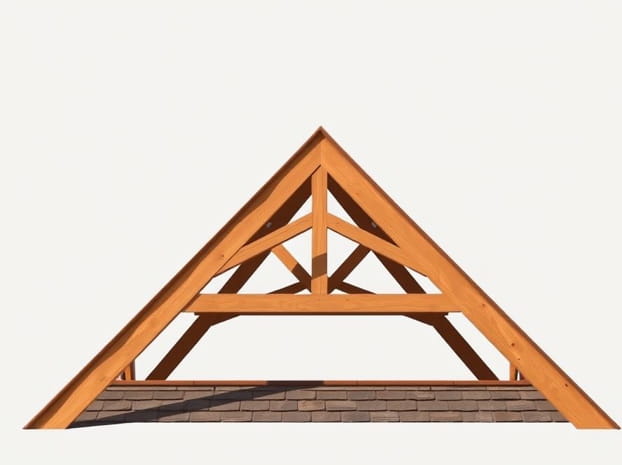
A roof truss is a prefabricated structural element designed to support the roof of a building. Trusses are typically made from wood or steel and consist of triangular units connected at joints called nodes. This triangular design provides maximum strength while using a minimal amount of material. Roof trusses are essential for creating stable and durable roof structures, as they help distribute the weight of roofing materials, snow, and wind loads evenly to the supporting walls. There are various types of trusses, including king post, queen post, and attic trusses, each serving different architectural and functional purposes.
Components of a Roof Truss
- Top ChordThe upper beams that form the slope of the roof.
- Bottom ChordThe horizontal beam at the base that supports the ceiling or floor below.
- Web MembersInternal diagonal and vertical beams that transfer loads from the top chord to the bottom chord.
- Gusset PlatesMetal or wooden plates that connect and reinforce the joints of the truss.
Factors Affecting the Cost of a Roof Truss
The price of a roof truss is influenced by multiple factors, and understanding these variables helps homeowners and contractors budget accurately. Here are the main considerations
Material Type
Wood trusses are the most common and generally more affordable than steel trusses. Softwood, such as pine or fir, is typically used for residential trusses, while hardwoods and engineered wood may cost more. Steel trusses are more durable and resistant to pests and fire, but their price is significantly higher due to material and fabrication costs. The choice of material impacts not only the initial cost but also long-term maintenance and durability.
Truss Design and Complexity
Simple trusses, like king post or standard gable trusses, are less expensive because they require less material and labor to fabricate. More complex designs, such as attic trusses or custom architectural trusses, involve intricate cutting and assembly, driving up costs. The span of the roof, pitch, and load requirements also contribute to the complexity and therefore the price of the truss.
Size and Span
The larger the roof and the longer the span of the truss, the more material is required, increasing the cost. Residential trusses usually range from 20 to 60 feet in length, and larger homes or commercial buildings will need trusses that are longer and stronger. The size of the truss affects both fabrication and transportation costs, as oversized trusses may require special delivery arrangements.
Location and Labor Costs
Costs can vary depending on geographic location and the availability of skilled labor. In areas with higher construction demand or limited access to truss manufacturers, prices may be elevated. Labor costs include installation, which involves lifting, positioning, and securing trusses on the roof frame. Installing roof trusses safely requires experience and equipment, which can add to the overall cost.
Average Costs of Roof Trusses
The price of a roof truss can range significantly based on the factors outlined above. On average, residential wooden trusses may cost between $100 and $300 per linear foot, while steel trusses can range from $300 to $800 or more per truss. Standard gable trusses for a typical single-story home may cost between $200 and $500 each, depending on size and material. Custom designs and attic trusses often exceed $1,000 per truss due to increased complexity and material use.
Additional Costs to Consider
Beyond the price of the trusses themselves, there are other expenses that homeowners should factor into the total cost of a roof project
- Delivery and TransportationLarge trusses may require specialized transport, increasing overall costs.
- InstallationSkilled labor and equipment for lifting and securing trusses can be a significant part of the budget.
- Hardware and FastenersGusset plates, bolts, and other connectors are necessary for proper assembly and stability.
- Roof Sheathing and FinishingInstalling plywood, insulation, and roofing materials adds to the total roofing expense.
Benefits of Investing in Quality Roof Trusses
While it may be tempting to opt for the cheapest trusses available, investing in high-quality roof trusses offers long-term advantages
- DurabilityQuality trusses provide better structural integrity and resistance to weather, pests, and natural disasters.
- SafetyStrong, well-designed trusses reduce the risk of roof collapse and ensure the safety of occupants.
- Energy EfficiencyProperly engineered trusses allow for better insulation and ventilation, improving energy efficiency.
- Resale ValueHomes with durable, professionally installed trusses are more attractive to buyers and can increase property value.
Tips for Reducing Roof Truss Costs
Homeowners and builders can take several steps to manage expenses without compromising quality
- Compare SuppliersObtain multiple quotes from truss manufacturers and suppliers to find competitive pricing.
- Standard DesignsUsing standard truss designs instead of custom trusses can significantly lower material and labor costs.
- Bulk OrdersOrdering trusses in larger quantities may reduce per-unit costs and delivery expenses.
- Material ChoiceConsider engineered wood or hybrid materials that offer strength and durability at a lower cost than steel.
Understanding the cost of a roof truss involves more than just looking at the price per truss. Factors such as material type, design complexity, size, labor, and location all contribute to the final expense. On average, residential wooden trusses are more affordable, while steel and custom trusses carry higher costs due to materials and fabrication. Homeowners should consider not only the upfront cost but also long-term benefits such as durability, safety, energy efficiency, and property value. By evaluating these factors and obtaining multiple quotes from reliable suppliers, it is possible to make an informed decision that balances cost, quality, and structural integrity.
Ultimately, investing in well-designed and professionally installed roof trusses ensures that a home remains safe, durable, and visually appealing for years to come. Understanding the full scope of costs associated with roof trusses allows homeowners to plan their construction or renovation projects effectively, minimizing surprises and achieving a high-quality roofing solution that meets both budget and performance expectations.