How Is An Electric Eel Electric
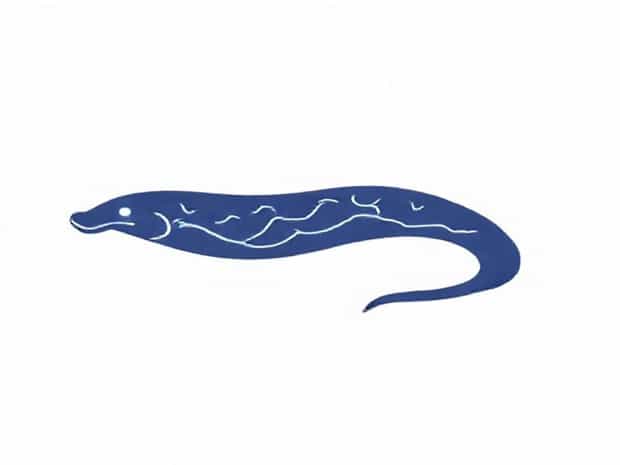
The electric eel is one of nature’s most fascinating creatures, capable of generating powerful electric shocks that can stun prey, deter predators, and even communicate with other eels. Native to the freshwater rivers and swamps of South America, particularly the Amazon and Orinoco basins, the electric eel is not actually a true eel but a type of knifefish. Its extraordinary ability to produce electricity has intrigued scientists for centuries, leading to extensive research on its anatomy, physiology, and the mechanisms behind its electrical discharges. Understanding how an electric eel is electric involves examining its specialized organs, unique cellular structures, and evolutionary adaptations that make it a living battery in the aquatic world.
Electric Organs of the Electric Eel
The electric eel’s electric capabilities stem from specialized organs that occupy more than 80% of its body. These organs are classified into three main types the main organ, Hunter’s organ, and Sachs’ organ. Each organ has a specific role in generating different types of electrical discharges. The main organ and Hunter’s organ are responsible for high-voltage discharges used to stun prey or defend against threats, while Sachs’ organ produces low-voltage discharges primarily for navigation and communication in murky waters. These organs are composed of thousands of electrocytes, which are modified muscle cells that can produce electricity.
Structure of Electrocytes
Electrocytes are flat, disk-like cells stacked in series within the electric organs. Each electrocyte functions like a tiny battery, generating a voltage difference when activated. The cells have a polarized membrane, with one side positively charged and the other negatively charged, creating an electric potential. When the eel decides to discharge, its nervous system sends a signal that opens ion channels in the electrocytes, allowing sodium ions to rush in and potassium ions to flow out. This sudden movement of ions produces an electric current. By arranging thousands of electrocytes in series, the voltages add up, enabling the eel to generate hundreds of volts in a single discharge.
High-Voltage Discharges
The high-voltage discharges of an electric eel can reach up to 600 volts, which is sufficient to incapacitate fish, amphibians, and even small mammals. These powerful shocks are primarily delivered through the main organ and Hunter’s organ. The eel uses these high-voltage discharges for hunting and self-defense. When hunting, the eel may emit a series of rapid pulses to confuse or immobilize prey, allowing it to capture food with minimal effort. In defensive scenarios, the high-voltage shock can deter potential predators, giving the eel a significant survival advantage in its natural habitat.
Mechanism of High-Voltage Generation
The generation of high-voltage electricity is a coordinated effort. The eel’s brain sends a simultaneous signal to all the electrocytes in the main and Hunter’s organs. As the ion channels in each electrocyte open nearly simultaneously, the combined effect of thousands of cells discharging at once creates a strong electric field. This discharge occurs in milliseconds, producing a shock capable of stunning prey or warding off threats. The arrangement of electrocytes in series is crucial because it allows the voltages to sum up rather than cancel each other out, maximizing the impact of the electric shock.
Low-Voltage Discharges
While high-voltage shocks are impressive, electric eels also produce low-voltage discharges through Sachs’ organ. These weaker currents, typically below 10 volts, are not strong enough to stun prey but serve critical functions in the eel’s daily life. Low-voltage discharges allow the eel to sense its environment, navigate through murky waters, and communicate with other eels. By emitting weak pulses and detecting the resulting changes in the electric field caused by nearby objects, the eel effectively uses electrolocation to find prey and avoid obstacles, similar to a natural sonar system.
Electrolocation and Communication
Electrolocation is essential for the electric eel because it often inhabits turbid waters where visibility is low. The low-voltage electric fields emitted by the eel interact with objects in the environment, and the returning signals are detected by electroreceptors on its skin. This allows the eel to map its surroundings with remarkable precision. Additionally, low-voltage discharges play a role in social communication. Eels can convey information about territory, mating readiness, and warning signals to other eels through subtle variations in electric pulses. This dual function of electrolocation and communication highlights the versatility of the eel’s electric organs.
Evolutionary Adaptations
The electric eel’s ability to generate electricity is the result of millions of years of evolution. Over time, certain fish species developed electrocytes from muscle cells, gradually specializing these cells to produce controlled electric discharges. This adaptation offers significant advantages in terms of predation, defense, and environmental sensing. The evolution of such specialized organs demonstrates nature’s capacity to modify existing structures to meet ecological demands. By converting muscle cells into electricity-generating units, the electric eel has carved out a unique ecological niche, thriving in environments where other predators might struggle.
Comparison with Other Electric Fish
Electric eels are part of a broader group of electric fish, but they are unique in the intensity and versatility of their discharges. While other electric fish, such as electric rays or knife fish, may generate mild shocks primarily for navigation and communication, the electric eel combines both high-voltage and low-voltage discharges in a single organism. This dual capability sets them apart and underscores the sophistication of their electric system. The complexity of the eel’s electric organs and electrocytes is a testament to the specialized evolutionary path that enables it to dominate its ecological niche.
Scientific and Practical Implications
Understanding how electric eels generate electricity has inspired numerous scientific and technological applications. Research into the electrocytes’ structure and function has informed bioelectric studies and the development of bio-inspired energy devices. For instance, engineers study the electric eel’s battery-like organs to design efficient, compact electrical systems and novel energy storage solutions. Additionally, knowledge of the eel’s electrolocation abilities has potential applications in robotics and underwater navigation technologies, providing insight into how biological systems can inform modern engineering.
Safety Considerations
While electric eels are fascinating, their electrical discharges can be dangerous. A high-voltage shock can cause pain, muscle spasms, and temporary paralysis in humans, and repeated shocks can be life-threatening. However, electric eels generally use their electricity judiciously, primarily targeting prey or defending against predators. Understanding the eel’s electric capabilities is important for anyone studying or interacting with these animals in the wild or captivity.
The electric eel’s electrifying abilities are a remarkable combination of biology, evolution, and adaptation. Through specialized electric organs composed of thousands of electrocytes, the eel can generate both high-voltage shocks for hunting and defense, and low-voltage discharges for navigation and communication. The underlying mechanism relies on the rapid movement of ions across cell membranes, coordinated by the eel’s nervous system. This ability not only ensures the eel’s survival in the challenging environments of South America’s freshwater habitats but also offers valuable insights into bioelectricity and technological innovation. By studying how an electric eel is electric, scientists can appreciate the intricate interplay between anatomy, physiology, and evolutionary pressures that shape some of the most extraordinary organisms on our planet.